Love this? Save it for later!
Share the inspiration with your friends
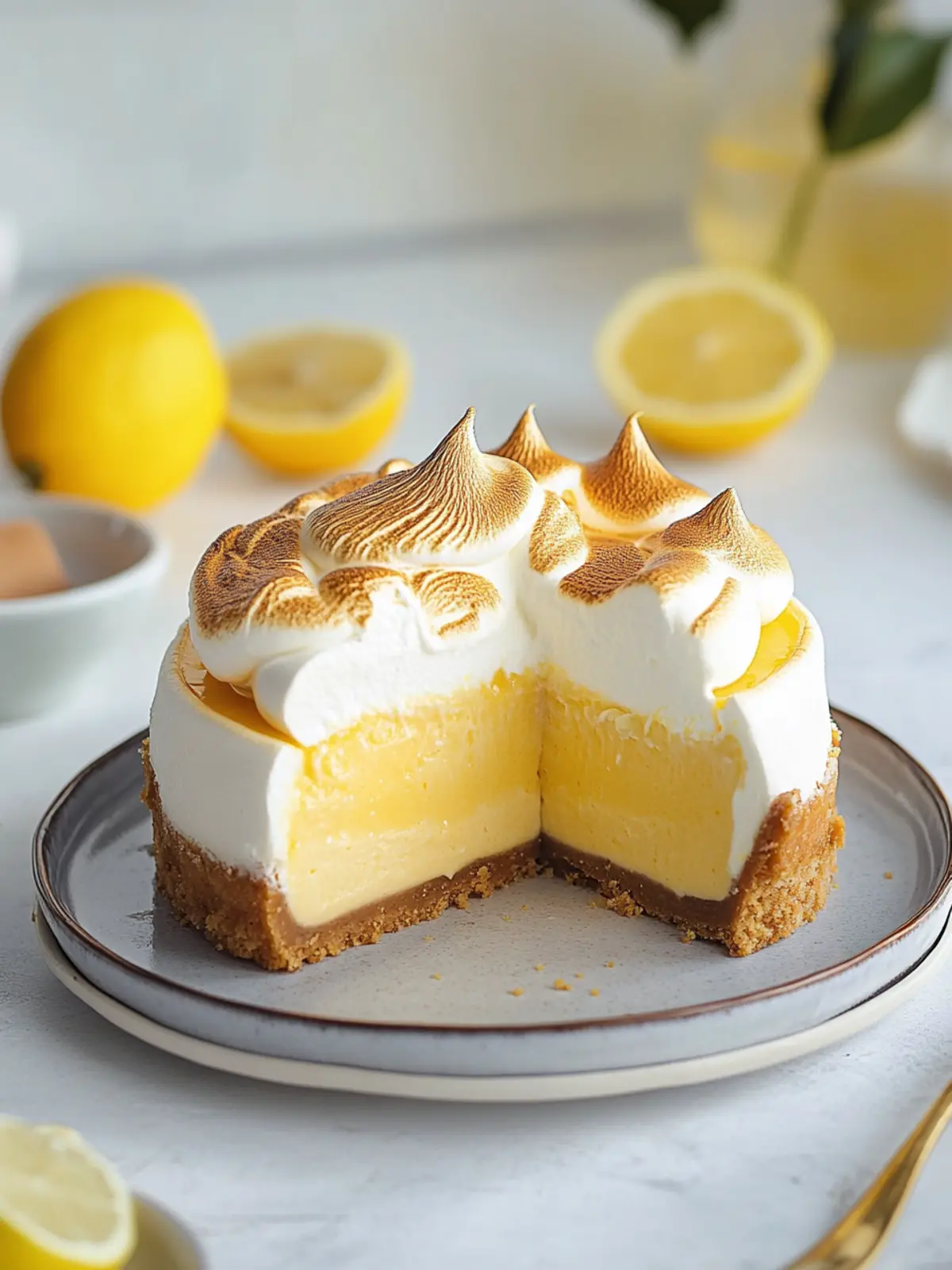
I pulled the lemon cheesecake out of the oven and immediately regretted not taking a picture of the moment. The meringue peaks were perfectly toasted, standing tall like little golden mountains, and the filling had set with just the slightest jiggle. My neighbor had texted me an hour earlier, asking if I had any dessert she could bring to a last-minute dinner party. I said yes before I even looked in my fridge. Honestly, I was just hoping I had enough cream cheese.
This was not the first time I had made a lemon cheesecake, but it was the first time I tried the fluffy meringue topping instead of a traditional sour cream layer. I had seen a photo online of a lemon meringue cheesecake and thought, “That looks impossible.” Turns out, it is not impossible at all. It is actually one of those recipes that looks way more impressive than the effort it takes, which is exactly the kind of cooking I live for.
That night, my neighbor came back with an empty dish and a sticky note with three words: “Please send recipe.” I laughed, but I also understood. This lemon cheesecake with its cloud-like meringue topping is the kind of dessert that makes people close their eyes and go quiet for a second. It is bright, creamy, and has just enough tang to cut through the sweetness. If you have ever wanted to make a dessert that feels like a celebration but doesn’t require a pastry degree, this is your recipe.
So let me show you how to make this perfect lemon cheesecake with fluffy meringue topping. It is easier than you think, and I promise, the first bite will be worth every second.
Why You’ll Love This Recipe
I have tested this recipe six times to get the texture just right. The first attempt was too dense, the second had a cracked top, and the third was a soupy mess (I forgot to bring the eggs to room temperature). But by the fourth try, I had cracked the code. This version is the one I keep coming back to, and here is why you will love it too.
- Quick & Easy: The prep time is about 25 minutes, and the oven does most of the work. No water bath required, which saves you from the dreaded soggy crust situation.
- Simple Ingredients: You likely have most of these in your kitchen already. Cream cheese, eggs, sugar, lemons, and butter. No fancy extracts or hard-to-find items.
- Perfect for Celebrations: This cheesecake is a showstopper for birthdays, Easter brunch, Mother’s Day, or just a Tuesday that needs a little brightness. The meringue topping makes it look like you spent hours when you really didn’t.
- Crowd-Pleaser: I have served this to kids, adults, and even my picky uncle who “doesn’t like cheesecake.” He asked for seconds. The balance of tart and sweet wins everyone over.
- Unbelievably Delicious: The texture is the real star here. The cheesecake layer is dense but silky, and the meringue is light and airy. Together, they create a contrast that feels like a little piece of heaven on a fork.
What makes this recipe different from all the others? It is the technique of folding a bit of the meringue into the cheesecake batter before baking. This little trick gives the filling a lighter, fluffier texture without making it unstable. Plus, the lemon zest is steeped in the sugar beforehand, which releases the essential oils and gives the whole cheesecake a more intense, natural lemon flavor. No artificial lemon extract needed.
This is not just another cheesecake. It is the kind of dessert that makes you feel like you have a secret weapon in your recipe box. Perfect for impressing guests without stress, or turning a simple meal into something memorable.
What Ingredients You Will Need
This recipe uses simple, wholesome ingredients that come together to create something truly special. The lemon provides brightness, the cream cheese gives richness, and the meringue adds a cloud-like finish that will have everyone asking for the recipe.
For the Crust
- 1 ½ cups graham cracker crumbs (about 12 full sheets, crushed finely)
- ¼ cup granulated sugar
- 6 tablespoons unsalted butter, melted (I use Land O’Lakes for consistent results)
- Pinch of salt (optional, but it balances the sweetness)
For the Cheesecake Filling
- 24 ounces (680g) cream cheese, softened to room temperature (full-fat is best for texture)
- 1 cup (200g) granulated sugar
- Zest of 2 large lemons (about 2 tablespoons)
- 3 large eggs, room temperature
- 2 large egg yolks, room temperature (save the whites for the meringue)
- ⅓ cup (80ml) fresh lemon juice (about 2 lemons)
- 1 teaspoon vanilla extract
- ¼ cup (60ml) heavy cream, room temperature
- 2 tablespoons all-purpose flour (helps stabilize the filling)
For the Fluffy Meringue Topping
- 4 large egg whites, room temperature (use the ones saved from the filling)
- ¾ cup (150g) granulated sugar
- ¼ teaspoon cream of tartar (or 1 teaspoon lemon juice)
- 1 teaspoon vanilla extract
Ingredient Tips & Substitutions: For a gluten-free version, use gluten-free graham crackers or almond flour for the crust. If you cannot find cream of tartar, a splash of lemon juice works just as well to stabilize the meringue. I prefer using Philadelphia cream cheese because it melts smoothly without lumps. For the lemons, always go for fresh—bottled lemon juice will not give you the same bright flavor. If you are in a pinch, you can use dairy-free cream cheese, but the texture will be slightly less creamy.
Equipment Needed
You do not need a ton of fancy equipment for this recipe, which is one of the reasons I love it. Here is what you will need:
- 9-inch springform pan (this is non-negotiable for easy removal)
- Electric hand mixer or stand mixer (a whisk and strong arm will work, but your arm will thank you for the mixer)
- Large mixing bowls (at least 3)
- Zester or microplane (I use a Microplane—it makes zesting so easy)
- Citrus juicer (a handheld one is fine)
- Rubber spatula
- Measuring cups and spoons
- Parchment paper (optional, but helps with clean-up)
- Cooling rack
If you do not have a springform pan, you can use a deep 9-inch pie dish, but the slices will be harder to remove cleanly. I have also made this in a regular 9×9 square baking dish, and it worked fine—just adjust the baking time by about 10 minutes. For the meringue, a clean, grease-free bowl is essential. Even a tiny bit of oil can prevent the egg whites from whipping up properly.
Preparation Method
Let us break this down step by step. I have included time estimates and sensory cues so you know exactly what to look for at each stage.
Step 1: Prepare the Crust (10 minutes)
Preheat your oven to 325°F (160°C). In a medium bowl, combine the graham cracker crumbs, sugar, and salt. Pour in the melted butter and stir with a fork until the mixture looks like wet sand. Press this mixture firmly into the bottom of a 9-inch springform pan. Use the bottom of a measuring cup to really pack it down. Bake for 10 minutes, then set aside to cool. Your kitchen will smell like buttery graham crackers—that is a good sign.
Step 2: Steep the Lemon Sugar (5 minutes)
In a small bowl, combine the granulated sugar and lemon zest. Use your fingertips to rub the zest into the sugar until it becomes fragrant and slightly yellow. This releases the oils from the lemon peel and gives the cheesecake a much deeper lemon flavor. Let this sit while you prepare the cream cheese.
Step 3: Make the Cheesecake Filling (15 minutes)
In a large bowl, beat the softened cream cheese with an electric mixer on medium speed until smooth and creamy, about 2 minutes. Scrape down the sides of the bowl. Add the lemon sugar and beat for another 2 minutes until light and fluffy. Add the eggs and egg yolks one at a time, beating on low after each addition until just combined. Do not overmix—you do not want to incorporate too much air, which can cause cracks.
Add the lemon juice, vanilla extract, and heavy cream. Mix on low until combined. Finally, add the flour and mix until just smooth. The batter should be thick, creamy, and smell intensely of lemon. Pour this over the cooled crust and spread it evenly.
Step 4: Bake the Cheesecake (50-60 minutes)
Place the springform pan on a baking sheet (to catch any drips) and bake at 325°F (160°C) for 50-60 minutes. The edges should be set and slightly puffed, but the center should still jiggle slightly when you gently shake the pan. Do not insert a knife to test doneness—that will create a crack. Turn off the oven, crack the oven door open, and let the cheesecake cool inside for 1 hour. This gradual cooling prevents the top from cracking.
Step 5: Make the Meringue Topping (10 minutes)
While the cheesecake is cooling, make the meringue. In a clean, dry bowl, beat the egg whites and cream of tartar on medium speed until soft peaks form. Gradually add the sugar, about 1 tablespoon at a time, while beating on high speed. Continue beating until stiff, glossy peaks form and the sugar is fully dissolved. Rub a little between your fingers—if it feels gritty, keep beating. Add the vanilla and beat for another 30 seconds.
Step 6: Assemble and Finish (5 minutes)
Once the cheesecake has cooled for 1 hour, spread the meringue over the top. Use the back of a spoon to create swirls and peaks. Return the cheesecake to the oven and bake at 350°F (175°C) for 10-12 minutes, until the meringue is golden brown and toasted. Keep an eye on it—meringue can go from perfect to burnt in seconds.
Step 7: Cool and Chill (4 hours minimum)
Let the cheesecake cool completely on a wire rack, about 1 hour. Then refrigerate for at least 4 hours, but overnight is best. The chilling time allows the flavors to meld and the texture to set perfectly. Slice with a sharp knife dipped in hot water for clean cuts.
Cooking Tips & Techniques
I have made plenty of mistakes with cheesecake, so you do not have to. Here are the lessons I learned the hard way.
Room temperature ingredients are not optional. Cold cream cheese creates lumps that will not smooth out no matter how long you beat. Take everything out of the fridge at least 30 minutes before starting. If you forget, cut the cream cheese into small cubes and microwave for 10-second intervals until softened.
Do not overmix the batter. When you beat too much air into the filling, it expands in the oven and then collapses, creating cracks. Mix on low speed and stop as soon as everything is combined. A few small lumps are fine—they will bake out.
The water bath myth. I used to think you needed a water bath for a perfect cheesecake, but this recipe does not require one. The key is the low oven temperature and the gradual cooling process. If you are nervous about cracks, you can place a pan of hot water on the lower rack of the oven to add humidity.
Meringue timing is everything. Make the meringue right before you are ready to use it. If it sits too long, it can start to separate. Also, make sure your bowl and beaters are completely clean and free of grease. Even a tiny bit of egg yolk in the whites will prevent them from whipping up.
My biggest failure: The first time I made this, I forgot to add the flour. The cheesecake was so soft it basically melted when I tried to slice it. It still tasted good, but it was a mess. Learn from my mistake—do not skip the flour.
Variations & Adaptations
This recipe is flexible, and I have tried several variations that turned out amazing.
Lemon Blueberry Cheesecake: Swirl ½ cup of blueberry jam into the cheesecake batter before baking. The tart berries pair beautifully with the lemon. I made this for a summer barbecue, and it disappeared in minutes.
Gluten-Free Version: Use gluten-free graham crackers for the crust and substitute the 2 tablespoons of all-purpose flour with almond flour or a gluten-free flour blend. The texture is slightly more delicate, but the flavor is just as good.
Vegan Adaptation: Use vegan cream cheese (like Miyoko’s) and a flax egg (1 tablespoon flaxseed meal + 3 tablespoons water per egg). For the meringue, use aquafaba (the liquid from a can of chickpeas) instead of egg whites. It whips up just like egg whites and toasts beautifully. I have a recipe for fluffy strawberry aquafaba mousse that uses the same technique, and it works perfectly here too.
Lemon Lavender Cheesecake: Add 1 teaspoon of dried culinary lavender to the sugar along with the lemon zest. The floral notes make this feel extra special for spring or Mother’s Day.
Mini Cheesecakes: Use a muffin tin with liners instead of a springform pan. Press the crust into the bottom of each liner, fill with batter, and bake for 18-20 minutes. Top with meringue and broil for 1-2 minutes. Perfect for parties.
Serving & Storage Suggestions
This cheesecake is best served cold, straight from the fridge. The meringue stays fluffy and the filling is perfectly firm. I like to let it sit at room temperature for about 10 minutes before slicing—it makes cutting easier.
For presentation, garnish with fresh lemon slices, a few sprigs of mint, or a dusting of powdered sugar. If you are feeling fancy, add a dollop of whipped cream and a few fresh berries. This cheesecake pairs beautifully with a cup of hot tea or a glass of cold milk. For a grown-up twist, serve it with a lemoncello spritz or a crisp Sauvignon Blanc.
Storage: Cover the cheesecake loosely with plastic wrap or aluminum foil and store in the refrigerator for up to 5 days. The meringue will soften slightly over time, but that is not a bad thing—some people actually prefer it that way. If you want to keep the meringue crispier, store the cheesecake uncovered in the fridge for the first few hours, then cover it loosely.
Freezing: You can freeze the cheesecake (without the meringue) for up to 3 months. Wrap it tightly in plastic wrap and then foil. When ready to serve, thaw in the refrigerator overnight, then make fresh meringue and toast it in the oven. I have done this for holiday prep, and it works like a charm.
Reheating: This cheesecake is meant to be served cold, but if you want to refresh the meringue, pop it under the broiler for 1-2 minutes. Watch it closely—it can burn quickly.
Nutritional Information & Benefits
Here is the estimated nutritional breakdown for one slice (based on 12 servings):
- Calories: 385
- Fat: 24g
- Carbohydrates: 38g
- Protein: 7g
- Fiber: 0.5g
- Sugar: 32g
While this is definitely a treat, there are a few redeeming qualities. Lemon is packed with vitamin C and antioxidants, which support immune health. The eggs provide high-quality protein and essential amino acids. Cream cheese contains calcium and vitamin A, which are good for bone and eye health. Plus, the meringue topping is fat-free, so you get that sweet, fluffy finish without the extra calories.
For those watching their sugar intake, you can reduce the sugar in the filling to ¾ cup without affecting the texture too much. For a lower-fat version, use reduced-fat cream cheese, but note that the texture will be slightly less creamy. This recipe is naturally gluten-free if you use the right crust, and the aquafaba variation makes it vegan-friendly. Always check your ingredients for potential allergens if serving to others.
Conclusion
This perfect lemon cheesecake with fluffy meringue topping is more than just a dessert—it is a little piece of sunshine on a plate. The bright lemon flavor, the creamy filling, and the cloud-like meringue come together in a way that feels both nostalgic and exciting. Whether you are making it for a holiday, a dinner party, or just because you deserve something special, this recipe will not let you down.
I love this recipe because it reminds me that you do not need complicated techniques or fancy ingredients to create something truly memorable. It is honest, simple, and absolutely delicious. I hope you make it your own—add blueberries, swap in lavender, or keep it classic. The beauty of cooking is that every version tells a different story.
Have you tried this recipe? I would love to hear how it turned out! Leave a comment below and let me know your favorite variation. And if you loved it, share it with a friend who needs a little lemon in their life. Happy baking!
Frequently Asked Questions
Can I use bottled lemon juice instead of fresh?
Fresh lemon juice is highly recommended for the best flavor. Bottled juice often has a metallic taste and lacks the brightness of fresh lemons. The zest is also essential for that intense lemon aroma, so do not skip it.
Why did my cheesecake crack on top?
Cracks usually happen from overmixing the batter, baking at too high a temperature, or cooling too quickly. Make sure your ingredients are room temperature, mix on low speed, and let the cheesecake cool gradually in the oven with the door cracked open.
Can I make this cheesecake ahead of time?
Absolutely! This cheesecake actually tastes better the next day after the flavors have melded. You can make it up to 2 days in advance and store it in the refrigerator. Add the meringue topping on the day you plan to serve it for the best texture.
How do I get clean slices of cheesecake?
Use a sharp knife dipped in hot water and wipe it clean between each cut. This creates smooth, clean slices without dragging the filling. For extra clean cuts, chill the cheesecake for at least 6 hours or overnight.
My meringue is weeping or beading. What went wrong?
Weeping meringue happens when the sugar is not fully dissolved or when the meringue is undercooked. Make sure to beat the meringue until the sugar is completely dissolved (rub a little between your fingers to check). Also, toast the meringue at a high temperature for a short time to set it properly.
Pin This Recipe!
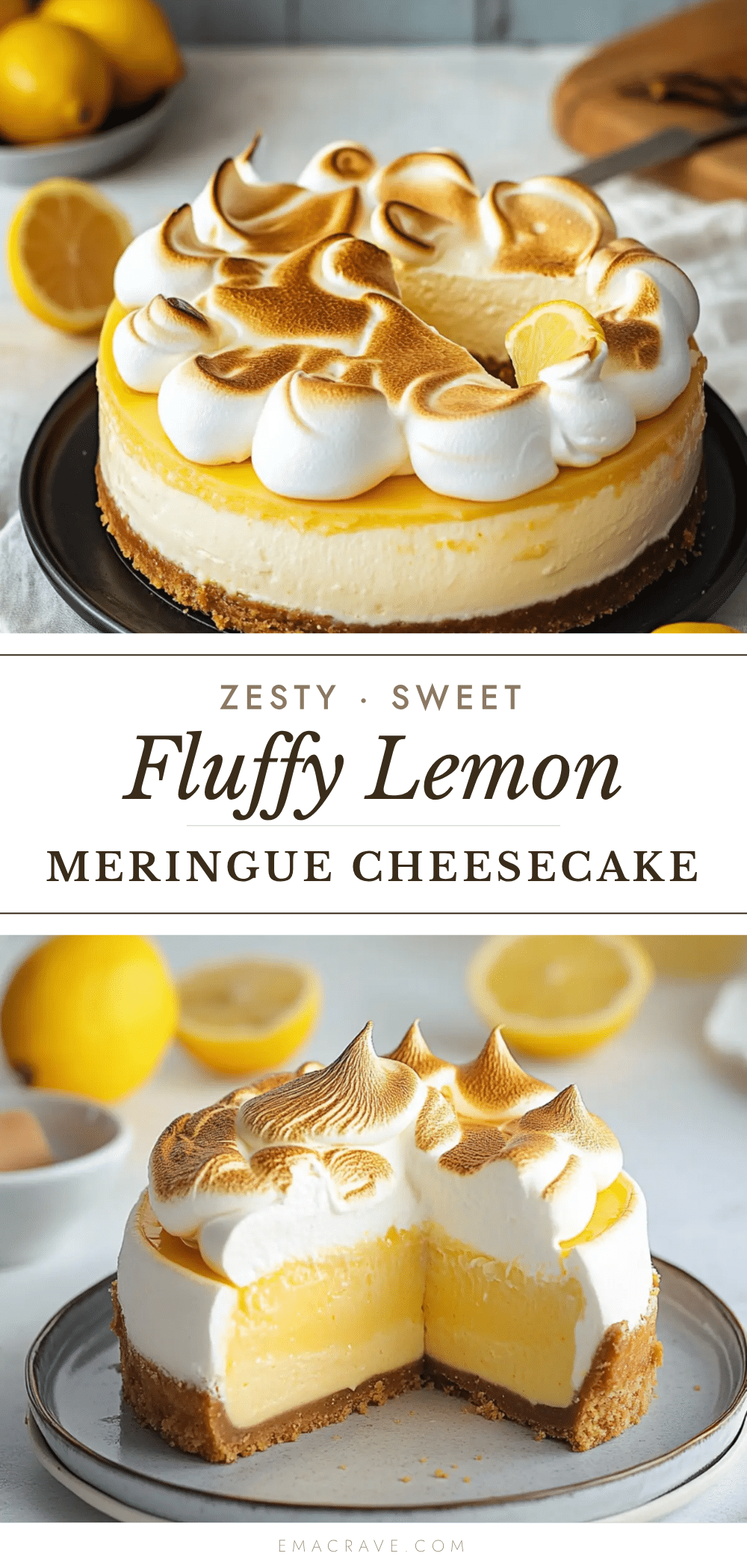
Perfect Lemon Cheesecake with Fluffy Meringue Topping
A bright and creamy lemon cheesecake topped with a cloud-like meringue. This showstopper dessert is easier than it looks, with a silky filling and toasted meringue peaks that will impress everyone.
- Prep Time: 25 minutes
- Cook Time: 60 minutes
- Total Time: 5 hours 25 minutes (includes cooling and chilling)
- Yield: 12 servings 1x
- Category: Dessert
- Cuisine: American
Ingredients
- 1 ½ cups graham cracker crumbs (about 12 full sheets, crushed finely)
- ¼ cup granulated sugar
- 6 tablespoons unsalted butter, melted
- Pinch of salt (optional)
- 24 ounces (680g) cream cheese, softened to room temperature
- 1 cup (200g) granulated sugar
- Zest of 2 large lemons (about 2 tablespoons)
- 3 large eggs, room temperature
- 2 large egg yolks, room temperature
- ⅓ cup (80ml) fresh lemon juice (about 2 lemons)
- 1 teaspoon vanilla extract
- ¼ cup (60ml) heavy cream, room temperature
- 2 tablespoons all-purpose flour
- 4 large egg whites, room temperature
- ¾ cup (150g) granulated sugar
- ¼ teaspoon cream of tartar (or 1 teaspoon lemon juice)
- 1 teaspoon vanilla extract
Instructions
- Preheat oven to 325°F (160°C). In a medium bowl, combine graham cracker crumbs, ¼ cup sugar, and salt. Pour in melted butter and stir until mixture looks like wet sand. Press firmly into bottom of a 9-inch springform pan. Bake for 10 minutes, then set aside to cool.
- In a small bowl, combine 1 cup sugar and lemon zest. Rub zest into sugar with fingertips until fragrant and slightly yellow. Let sit while preparing cream cheese.
- In a large bowl, beat softened cream cheese with electric mixer on medium speed until smooth and creamy, about 2 minutes. Scrape down sides. Add lemon sugar and beat for another 2 minutes until light and fluffy. Add eggs and egg yolks one at a time, beating on low after each addition until just combined.
- Add lemon juice, vanilla extract, and heavy cream. Mix on low until combined. Add flour and mix until just smooth. Pour batter over cooled crust and spread evenly.
- Place springform pan on a baking sheet. Bake at 325°F (160°C) for 50-60 minutes. Edges should be set and slightly puffed, center should jiggle slightly. Turn off oven, crack door open, and let cheesecake cool inside for 1 hour.
- In a clean, dry bowl, beat egg whites and cream of tartar on medium speed until soft peaks form. Gradually add ¾ cup sugar, 1 tablespoon at a time, while beating on high speed. Continue beating until stiff, glossy peaks form and sugar is fully dissolved. Add 1 teaspoon vanilla and beat for 30 seconds.
- Once cheesecake has cooled for 1 hour, spread meringue over top. Use back of a spoon to create swirls and peaks. Return to oven and bake at 350°F (175°C) for 10-12 minutes, until meringue is golden brown and toasted.
- Let cheesecake cool completely on a wire rack, about 1 hour. Refrigerate for at least 4 hours, preferably overnight. Slice with a sharp knife dipped in hot water for clean cuts.
Notes
Room temperature ingredients are essential for a smooth batter. Do not overmix to avoid cracks. No water bath needed—gradual cooling prevents cracking. Make meringue right before using. For gluten-free, use gluten-free graham crackers or almond flour for crust and substitute all-purpose flour with almond flour. For vegan, use vegan cream cheese, flax eggs, and aquafaba for meringue.
Nutrition
- Serving Size: 1 slice
- Calories: 385
- Sugar: 32
- Sodium: 320
- Fat: 24
- Saturated Fat: 14
- Carbohydrates: 38
- Fiber: 0.5
- Protein: 7
Keywords: lemon cheesecake, meringue topping, lemon meringue cheesecake, easy cheesecake, no water bath cheesecake, springform pan cheesecake