Love this? Save it for later!
Share the inspiration with your friends
The farmer’s market had completely wrecked my budget that Saturday. I had gone in for a head of garlic and walked out with three bags of produce, a loaf of sourdough I didn’t need, and a bunch of rainbow carrots that winked at me from the stand. My fridge was suddenly bursting with zucchini, bell peppers, cherry tomatoes, and a lone yellow squash that was begging to be used. I stood there, staring at the pile, and realized I had about thirty minutes before my friends showed up for a casual dinner. No plan. No protein thawed. Just a box of dried fettuccine and a mountain of vegetables that looked too pretty to cook into submission.
That’s when the idea for fresh pasta primavera with seasonal vegetables hit me. Honestly, it wasn’t a stroke of genius—it was pure panic. I needed something fast, something that wouldn’t heat up my whole apartment, and something that could handle whatever the fridge threw at it. I grabbed the biggest skillet I owned, chopped everything into rough, uneven pieces (because who has time for perfect julienne cuts when guests are en route?), and let the vegetables do the talking. The result was so good that my friend asked for the recipe before she even finished her plate. I told her the truth: there wasn’t one. Not really. It was just a happy accident born from a crowded fridge and a hungry crowd.
This dish feels like a cheat code for weeknights. It’s bright, it’s flexible, and it doesn’t demand much from you. The vegetables soften just enough to release their sweetness while still holding onto a little bite, and the pasta soaks up all those pan juices like it was made for them. Every time I make it, it turns out a little different—sometimes heavier on the zucchini, sometimes loaded with whatever looked good at the store that morning. And that’s exactly why I keep coming back to it. It never gets boring.
Why You’ll Love This Recipe
Let’s be real for a second. You’re busy. You don’t have time for recipes that require a specialty ingredient you’ll use once and then forget about until it expires. This fresh pasta primavera with seasonal vegetables is the kind of dinner that works with your schedule, not against it. It’s been tested on frantic weeknights, lazy Sundays, and everything in between. Here’s why it’s earned a permanent spot in my rotation:
- Quick & Easy: From fridge to table in under 30 minutes. No marinating, no complicated steps—just chop, sauté, and toss.
- Simple Ingredients: You probably already have most of this in your kitchen. Olive oil, garlic, pasta, and whatever vegetables are hanging out in your crisper drawer.
- Perfect for Any Occasion: It’s light enough for a spring lunch but hearty enough for a cozy dinner. Great for impromptu dinner parties or a quiet night in.
- Crowd-Pleaser: Even my picky nephew went back for seconds. The vegetables are tender but not mushy, and the garlicky olive oil coating ties everything together.
- Unbelievably Delicious: There’s something magical about how simple ingredients can come together to taste this good. The natural sweetness of the roasted cherry tomatoes against the savory garlic is just perfection.
What makes this fresh pasta primavera with seasonal vegetables different from the dozens of other pasta primavera recipes out there? It’s the technique. Instead of boiling the vegetables separately or roasting them for an hour, you cook everything in one pan, letting the flavors build and mingle. The pasta finishes cooking in the same skillet, absorbing all that vegetable-infused goodness. It’s not just a pasta dish—it’s a one-pan wonder that respects your time and your taste buds.
I’ve made this for myself on a Tuesday when I needed comfort food that didn’t feel heavy. I’ve served it to guests who raved about it for weeks. It’s the kind of meal that makes you feel like you’ve got it all together, even when you’re just barely holding on. And honestly, isn’t that what we all want from dinner?
What Ingredients You Will Need
This recipe uses simple, wholesome ingredients to deliver bold flavor and satisfying texture without the fuss. Most of these are pantry staples or easy to find at any grocery store. The beauty of fresh pasta primavera with seasonal vegetables is that you can swap things in and out based on what’s fresh and available.
- 12 ounces dried pasta (fettuccine, linguine, or penne work great). I prefer De Cecco or Barilla for their texture. Use gluten-free pasta if needed.
- 3 tablespoons extra-virgin olive oil. A good-quality olive oil makes a difference here since it’s a primary flavor. I like California Olive Ranch for everyday cooking.
- 4 cloves garlic, thinly sliced. Don’t mince it too fine—thin slices caramelize beautifully without burning.
- 1 medium zucchini, halved lengthwise and sliced into half-moons. Look for firm, medium-sized zucchini with shiny skin. Avoid oversized ones as they can be watery.
- 1 medium yellow squash, halved lengthwise and sliced into half-moons. Same rule applies—firm and bright in color.
- 1 red bell pepper, thinly sliced into strips. Adds sweetness and color. Orange or yellow peppers work too.
- 1 cup cherry tomatoes, halved. In summer, use fresh off-the-vine tomatoes. In winter, grape tomatoes are a solid substitute.
- 1 cup fresh asparagus, trimmed and cut into 2-inch pieces. Snap off the woody ends before cutting. If asparagus isn’t in season, green beans are a great swap.
- 1/2 cup frozen peas. No need to thaw them first—they’ll warm through in the pan.
- 1/4 cup fresh basil leaves, torn. Adds that final pop of freshness. Thai basil works too if you want a slightly different flavor.
- 1/2 cup grated Parmesan cheese, plus more for serving. I recommend a block of Parmigiano-Reggiano and grating it yourself—the flavor is unmatched.
- Salt and black pepper, to taste. I use kosher salt for seasoning the pasta water and flaky sea salt for finishing.
- Optional: Red pepper flakes, for a little heat. I add about 1/4 teaspoon when I’m feeling spicy.
- Optional: 1 tablespoon butter, stirred in at the end for extra richness. Totally optional but highly recommended.
For the vegetables, feel free to mix and match based on what’s in season. Broccoli florets, snap peas, or even thinly sliced carrots work beautifully. The goal is about 4 cups total of chopped vegetables. If you’re using heartier vegetables like carrots or broccoli, add them a few minutes earlier than the softer ones so everything finishes at the same time.
Equipment Needed
You don’t need a fancy kitchen to pull off this fresh pasta primavera with seasonal vegetables. Here’s what you’ll need:
- Large skillet or sauté pan (12-inch is ideal). A deep skillet with high sides works best so you have room to toss the pasta with the vegetables. If you don’t have a skillet, a large Dutch oven works too.
- Large pot for boiling pasta. Any standard stockpot will do.
- Colander for draining pasta. Save about 1 cup of pasta water before draining—it’s liquid gold for the sauce.
- Chef’s knife and cutting board. A sharp knife makes quick work of chopping all those vegetables.
- Wooden spoon or tongs for stirring and tossing. Tongs make it easier to coat the pasta evenly with the vegetables.
- Measuring spoons and cups. Eyeballing is fine for most things, but measuring the olive oil and cheese helps keep the balance right.
If you don’t have a 12-inch skillet, use your largest frying pan and cook the vegetables in batches if needed. Overcrowding the pan will steam the vegetables instead of sautéing them, and we want that nice golden-brown color. I learned this the hard way after making soggy vegetables for years. Trust me on this one.
Preparation Method
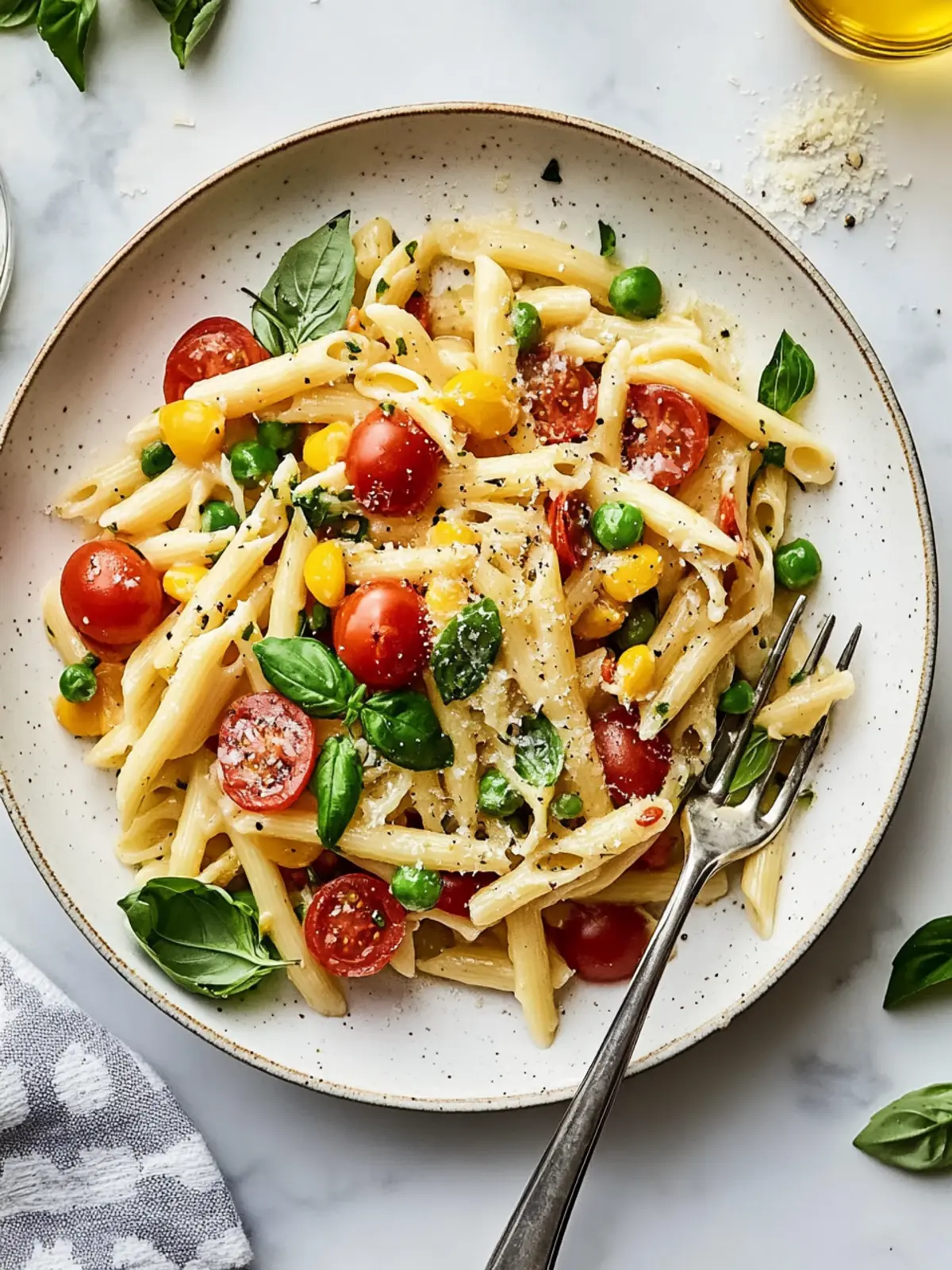
This fresh pasta primavera with seasonal vegetables comes together in layers. Each step builds on the last, so don’t rush the sautéing part—that’s where the flavor lives.
- Bring a large pot of salted water to a boil. Add about 1 tablespoon of kosher salt per 4 quarts of water. It should taste like the sea. Once boiling, add your pasta and cook according to package directions until al dente. Reserve 1 cup of pasta water before draining. Set the drained pasta aside.
- While the pasta cooks, heat the olive oil in your large skillet over medium-high heat. The oil should shimmer but not smoke. Add the sliced garlic and cook for about 30 seconds, stirring constantly, until fragrant. Don’t let it brown—burnt garlic turns bitter fast.
- Add the zucchini, yellow squash, and bell pepper to the skillet. Spread them into an even layer and let them cook without stirring for 2 minutes. This helps them develop a nice golden-brown color. After 2 minutes, stir and continue cooking for another 3-4 minutes until the vegetables are tender but still have a little bite. You want them to soften, not turn into mush.
- Toss in the asparagus and cherry tomatoes. Cook for 2-3 minutes, stirring occasionally. The tomatoes will start to soften and release their juices, creating a light sauce in the pan. If the pan looks dry, add a splash of the reserved pasta water to keep things moving.
- Add the frozen peas and stir to combine. They’ll thaw and warm through in about 1 minute. Season everything with salt and black pepper to taste. If you’re using red pepper flakes, add them now.
- Reduce the heat to low and add the cooked pasta to the skillet. Use tongs to toss everything together, making sure the pasta is evenly coated with the vegetables and pan juices. If the mixture looks dry, add reserved pasta water a tablespoon at a time until it reaches your desired consistency. The starchy water helps the sauce cling to the pasta.
- Sprinkle the grated Parmesan cheese over the pasta and toss again. The cheese will melt slightly and create a creamy coating. If you’re adding butter, stir it in now for extra gloss and richness.
- Remove the skillet from heat. Taste and adjust seasoning if needed. Sometimes it needs an extra pinch of salt or a crack of black pepper.
- Serve immediately, garnished with torn fresh basil and additional Parmesan cheese. The basil adds a bright, peppery finish that ties everything together.
One thing I always do: taste a piece of zucchini before adding the pasta. If it’s perfectly tender, you’re on the right track. If it’s still crunchy, give it another minute. The vegetables should be your guide, not the clock.
Cooking Tips & Techniques
I’ve made this fresh pasta primavera with seasonal vegetables at least two dozen times, and I’ve messed it up plenty. Here’s what I’ve learned so you don’t have to repeat my mistakes.
Don’t overcook the vegetables. This is the number one mistake people make with primavera. You want the vegetables to be tender but still bright in color and texture. Overcooked vegetables turn into a sad, mushy mess. Cook them in batches if your skillet is small—crowding the pan traps steam and prevents browning.
Save that pasta water. I cannot stress this enough. The starchy water is the secret to creating a silky sauce without cream or butter. Add it a little at a time until the pasta looks glossy and well-coated. If you forget to reserve it, you can use plain hot water, but it won’t have the same thickening power.
Use a large skillet. A 12-inch skillet gives you enough surface area to cook the vegetables without overcrowding. If you only have a smaller pan, cook the vegetables in two batches and combine them at the end. It takes an extra 5 minutes but makes a huge difference.
Season as you go. Don’t wait until the end to add all the salt. Season the vegetables lightly as they cook, then adjust at the end. This builds flavor in layers rather than having one salty bite at the finish.
Finish cooking the pasta in the skillet. If you want the flavors to really meld, undercook the pasta by about 1 minute, then transfer it directly from the pot to the skillet with a slotted spoon. Add a splash of pasta water and let it finish cooking in the pan with the vegetables. This is how you get pasta that tastes like it’s been marinating in all that goodness.
I once forgot to reserve pasta water and ended up using tap water. The pasta was dry and clumpy, and I had to add more olive oil just to make it edible. Learn from my forgetfulness—save that water before you drain.
Variations & Adaptations
This fresh pasta primavera with seasonal vegetables is endlessly adaptable. Here are some of my favorite twists:
- Protein-Packed Version: Add grilled chicken, shrimp, or crispy tofu for extra staying power. I love tossing in leftover rotisserie chicken at the end—it warms through in the pan and adds heartiness without extra work.
- Vegan Option: Skip the Parmesan and butter. Use nutritional yeast (about 2 tablespoons) for a cheesy flavor, or try a vegan Parmesan alternative. The olive oil provides plenty of richness on its own.
- Gluten-Free Adaptation: Use your favorite gluten-free pasta. Brown rice pasta or chickpea pasta works well. Just be careful not to overcook it—gluten-free pasta can turn mushy quickly.
- Seasonal Swaps: In spring, load up on asparagus, peas, and fresh herbs. In summer, use zucchini, cherry tomatoes, and bell peppers. Fall calls for roasted butternut squash and kale. Winter works well with broccoli, cauliflower, and sun-dried tomatoes.
- Herb Variations: Swap basil for fresh parsley, chives, or mint. A handful of fresh arugula stirred in at the end adds a peppery kick that’s surprisingly good.
- Spicy Kick: Double the red pepper flakes or add a drizzle of chili oil at the end. I’ve even stirred in a spoonful of gochujang paste for a Korean-inspired version that was honestly incredible.
If you love creamy pasta dishes, you might also enjoy this creamy irresistible crab pasta for a totally different but equally satisfying dinner.
Serving & Storage Suggestions
Serve this fresh pasta primavera with seasonal vegetables hot, straight from the skillet. It’s beautiful on its own, but a few finishing touches make it feel special. A generous grating of Parmesan, a drizzle of good olive oil, and a sprinkle of flaky sea salt right before serving—that’s all it needs.
What to serve with it: A simple green salad with lemon vinaigrette is perfect alongside. Crusty bread for sopping up any leftover pan juices is never a bad idea. If you’re serving this as a main dish, it pairs beautifully with a crisp white wine like Sauvignon Blanc or Pinot Grigio.
Storage: Leftovers keep in an airtight container in the refrigerator for up to 3 days. The vegetables will soften a bit more, but the flavor actually deepens overnight. I’ve been known to eat this cold straight from the fridge—it’s that good.
Reheating: The best way to reheat is in a skillet over medium-low heat with a splash of water or broth. Stir frequently until warmed through. Microwaving works in a pinch, but the texture won’t be as nice. Add a little olive oil or butter to revive the sauce.
Freezing: I don’t recommend freezing this dish. The vegetables become watery and the pasta turns mushy upon thawing. It’s best enjoyed fresh or within a few days.
Nutritional Information & Benefits
This fresh pasta primavera with seasonal vegetables is packed with nutrients while still feeling indulgent. Here’s a rough estimate per serving (based on 4 servings):
- Calories: Approximately 420-480 per serving
- Protein: 15-18 grams
- Carbohydrates: 55-65 grams
- Fiber: 8-10 grams
- Fat: 14-18 grams
- Sodium: 480-550 mg (varies with cheese and salt)
The vegetables in this dish are nutritional powerhouses. Zucchini and yellow squash are low in calories but high in vitamin C and potassium. Bell peppers provide more vitamin C than an orange. Asparagus is a great source of folate and vitamin K. Peas add a surprising amount of plant-based protein and fiber. And the olive oil? It’s loaded with heart-healthy monounsaturated fats.
If you’re watching your carb intake, you can swap the pasta for zucchini noodles or whole wheat pasta. For a lower-calorie option, reduce the cheese and skip the butter. But honestly, this dish is already pretty balanced—it’s got vegetables, carbs for energy, and healthy fats to keep you satisfied.
For a different take on a vegetable-forward meal, try these healthy Greek tofu and rice bowls—they’re another weeknight staple in my house.
Conclusion
This fresh pasta primavera with seasonal vegetables is the kind of recipe you’ll turn to again and again. It’s forgiving, flexible, and genuinely delicious. You don’t need to be a trained chef or have a pantry full of exotic ingredients to make it work. All you need is a skillet, some vegetables, and a little bit of trust that simple food can be extraordinary.
I love this recipe because it reminds me that cooking doesn’t have to be complicated to be good. Some of the best meals I’ve ever made came from throwing together whatever was in the fridge and hoping for the best. This dish is proof that those moments often turn into the recipes we treasure most.
So go ahead—raid your fridge, grab whatever vegetables look good, and give this a try. Customize it however you want. Make it yours. And when you do, come back and tell me how it turned out. I’d love to hear about your version.
If you’re in the mood for more one-pan dinners, don’t miss this cheesy ranch chicken casserole for another easy, crowd-pleasing meal. And for a completely different flavor profile, these flavorful gochujang oven-roasted carrots make an incredible side dish.
Frequently Asked Questions
Can I use frozen vegetables for this fresh pasta primavera?
Absolutely. Frozen vegetables work in a pinch, especially in winter when fresh produce isn’t at its best. Add them directly to the skillet without thawing, and cook just until heated through. Keep in mind that frozen vegetables release more water, so you may need to cook a little longer to evaporate the excess liquid.
What’s the best pasta shape for primavera?
Long, flat pastas like fettuccine or linguine work beautifully because they catch the vegetables and sauce in their nooks. Short pastas like penne or farfalle are great too—they’re easier to eat and hold up well to the chunky vegetables. Honestly, any pasta shape works. Use whatever you have on hand.
Can I make this dish ahead of time?
You can prep the vegetables up to a day in advance and store them in the refrigerator. Cook the pasta and vegetables just before serving for the best texture. If you need to make it fully ahead, undercook the pasta slightly and add extra pasta water when reheating to revive the sauce.
How do I keep the vegetables from getting soggy?
Don’t overcrowd the pan. Cook in batches if necessary, and make sure your skillet is hot before adding the vegetables. High heat helps them brown rather than steam. Also, cut your vegetables into uniform sizes so they cook evenly.
Is this recipe suitable for meal prep?
Yes, with a few adjustments. Store the pasta and vegetables separately to prevent the pasta from absorbing too much liquid and becoming mushy. When you’re ready to eat, reheat the vegetables in a skillet, then toss with freshly cooked pasta. It’s a little more work, but the texture is much better than reheating everything together.
Pin This Recipe!
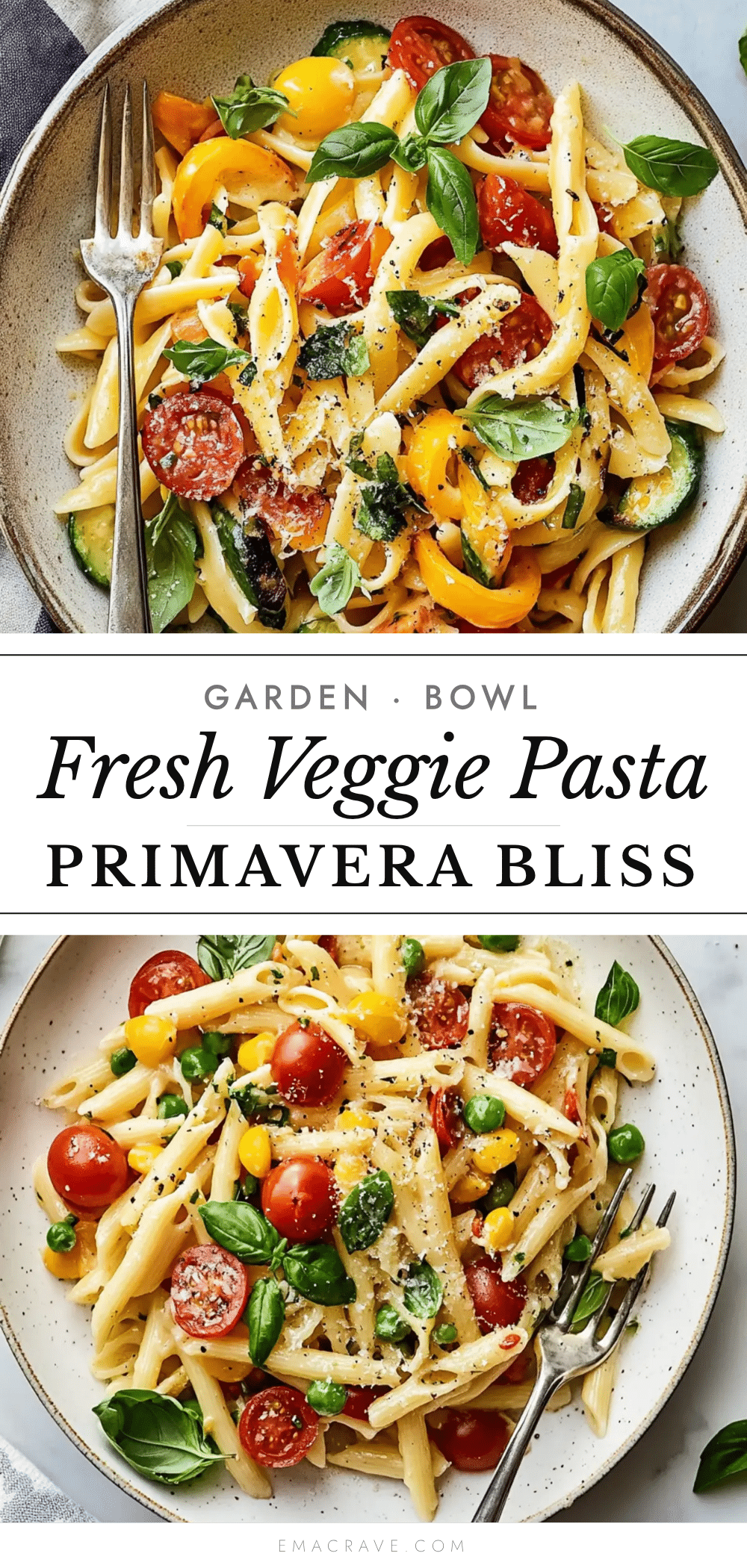
Fresh Pasta Primavera with Seasonal Vegetables: Easy One-Pan Dinner
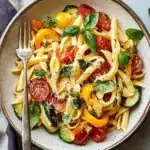
A quick and flexible one-pan pasta primavera loaded with seasonal vegetables, perfect for busy weeknights or impromptu dinner parties. Ready in under 30 minutes with simple ingredients.
- Prep Time: 10 minutes
- Cook Time: 20 minutes
- Total Time: 30 minutes
- Yield: 4 servings 1x
- Category: Main Course
- Cuisine: Italian
Ingredients
- 12 ounces dried pasta (fettuccine, linguine, or penne)
- 3 tablespoons extra-virgin olive oil
- 4 cloves garlic, thinly sliced
- 1 medium zucchini, halved lengthwise and sliced into half-moons
- 1 medium yellow squash, halved lengthwise and sliced into half-moons
- 1 red bell pepper, thinly sliced into strips
- 1 cup cherry tomatoes, halved
- 1 cup fresh asparagus, trimmed and cut into 2-inch pieces
- 1/2 cup frozen peas
- 1/4 cup fresh basil leaves, torn
- 1/2 cup grated Parmesan cheese, plus more for serving
- Salt and black pepper, to taste
- Optional: 1/4 teaspoon red pepper flakes
- Optional: 1 tablespoon butter
Instructions
- Bring a large pot of salted water to a boil. Add pasta and cook according to package directions until al dente. Reserve 1 cup of pasta water before draining. Set pasta aside.
- While pasta cooks, heat olive oil in a large skillet over medium-high heat. Add sliced garlic and cook for about 30 seconds until fragrant.
- Add zucchini, yellow squash, and bell pepper to the skillet. Spread into an even layer and cook without stirring for 2 minutes. Stir and continue cooking for 3-4 minutes until tender but still with a bite.
- Add asparagus and cherry tomatoes. Cook for 2-3 minutes, stirring occasionally. Add a splash of reserved pasta water if the pan looks dry.
- Add frozen peas and stir to combine. Cook for 1 minute. Season with salt, pepper, and red pepper flakes if using.
- Reduce heat to low. Add cooked pasta to the skillet and toss with tongs to combine. Add reserved pasta water a tablespoon at a time if needed for desired consistency.
- Sprinkle grated Parmesan cheese over the pasta and toss again. Stir in butter if using.
- Remove from heat. Taste and adjust seasoning. Serve immediately, garnished with torn basil and additional Parmesan.
Notes
Don’t overcook the vegetables; they should be tender but still bright. Save pasta water for a silky sauce. Use a large skillet to avoid overcrowding. Season as you go for layered flavor. For best results, undercook pasta by 1 minute and finish cooking in the skillet.
Nutrition
- Serving Size: 1 serving
- Calories: 450
- Sugar: 8
- Sodium: 515
- Fat: 16
- Saturated Fat: 4
- Carbohydrates: 60
- Fiber: 9
- Protein: 16
Keywords: pasta primavera, one-pan dinner, seasonal vegetables, quick pasta, vegetarian pasta, easy weeknight dinner