Love this? Save it for later!
Share the inspiration with your friends
I was staring into my pantry on a Tuesday night, completely uninspired by the usual rotation of pasta and jarred sauce. Takeout felt like the easy answer, but my wallet (and my waistline) had other ideas. That’s when I spotted the forgotten package of lo mein noodles tucked behind a bag of rice. Honestly, I was skeptical. Could I really make plain lo mein noodles that didn’t taste like a sad, soggy mess?
The first attempt was a little rough—clumpy, a bit bland, and definitely not “better than takeout.” But I tweaked it the next night (obsession phase, anyone?). By the third try, I had a bowl of noodles that made me actually text my friend a photo with the caption, “I can’t stop eating this.” The noodles were perfectly chewy, slicked with a savory sauce that clung to every strand, and came together in the time it takes to watch one episode of a sitcom.
This recipe isn’t about fancy techniques or hard-to-find ingredients. It’s about getting that satisfying, slurpable bowl of noodles on your table fast, using stuff you probably already have. It’s the kind of meal that makes a regular weeknight feel a little less regular. And honestly, it might just ruin takeout for you.
Why You’ll Love This Recipe
I’ve tested this recipe more times than I care to admit, and I can tell you with confidence: it works. It’s built on a few simple principles that make all the difference between “meh” noodles and “wow” noodles.
- Quick & Easy: From start to finish, these noodles are on your plate in under 20 minutes. That’s faster than waiting for delivery, and way more satisfying.
- Simple Ingredients: No need for a special trip to the Asian market. You can find everything at your regular grocery store, and you might already have most of it.
- Perfect for Busy Weeknights: When you’re tired, hungry, and just need something good, this is your answer. It’s a lifesaver on those “I don’t want to cook” nights.
- Crowd-Pleaser: I’ve served this to picky kids and discerning adults, and the bowl always comes back empty. It’s just universally good.
- Unbelievably Delicious: The magic is in the sauce—a perfect balance of savory, salty, and a tiny hint of sweetness that makes you want another bite immediately.
What makes this different from other lo mein recipes? It’s the technique. I’m not boiling the noodles and then tossing them with sauce. I’m stir-frying them in a hot wok (or skillet) so they get that slightly charred, smoky flavor that’s usually only found in restaurant woks. Plus, the sauce-to-noodle ratio is spot on—no dry noodles here.
This isn’t just another noodle recipe. It’s the one you’ll come back to again and again because it’s reliable, fast, and genuinely delicious. It’s comfort food that doesn’t weigh you down.
What Ingredients You Will Need
This recipe relies on a handful of pantry staples and a few fresh items to create that authentic takeout flavor. The ingredients are simple, but each one plays a key role in building the final dish.
- Lo Mein Noodles (8 oz / 225g): These are the star of the show. Look for fresh or dried lo mein noodles in the refrigerated or international aisle. They have a wonderful chewy texture that holds up well to stir-frying. If you can’t find them, dried spaghetti or linguine work in a pinch, but the texture will be slightly different. I prefer the ones from the brand Twin Dragon for a reliable result.
- Soy Sauce (3 tbsp / 45ml): This is the backbone of the savory flavor. I use a low-sodium soy sauce so I can control the saltiness. For a gluten-free option, swap in tamari or coconut aminos.
- Dark Soy Sauce (1 tbsp / 15ml): This is the secret weapon. It’s thicker, slightly sweeter, and adds that beautiful deep brown color you see in restaurant lo mein. Don’t skip it if you can find it. If you don’t have it, you can use 1 teaspoon of regular soy sauce mixed with ½ teaspoon of molasses.
- Oyster Sauce (2 tbsp / 30ml): This adds a complex, savory depth that’s hard to replicate. It’s what gives the noodles that “umami” punch. Vegetarian oyster sauce (made from mushrooms) is a great alternative.
- Sesame Oil (1 tbsp / 15ml): A little goes a long way. Use toasted sesame oil for the most flavor. It adds a nutty, aromatic finish that’s unmistakable.
- Brown Sugar (1 tsp): Just a tiny bit to balance the saltiness of the soy sauce. It doesn’t make the noodles sweet, just perfectly round in flavor.
- Garlic (4 cloves, minced): Fresh garlic is non-negotiable here. It provides that pungent, aromatic base that infuses the oil and the noodles.
- Fresh Ginger (1 tbsp, minced): Another aromatic that’s essential for that “takeout” flavor. Grate it on a microplane for the best texture, or mince it very finely.
- Green Onions (4-5, sliced): The white parts get cooked with the aromatics, and the green parts are used as a fresh, vibrant garnish.
- Vegetable or Avocado Oil (2 tbsp / 30ml): Use a neutral oil with a high smoke point for stir-frying. This prevents the oil from burning and imparting a bitter taste.
- Optional Add-ins: A handful of shredded carrots, some sliced mushrooms, or a handful of bean sprouts can be added for extra texture and nutrition. I often throw in some leftover quick sticky teriyaki salmon for a complete meal.
Equipment Needed
You don’t need a professional kitchen to make this, but the right tools make the process smoother and the results better.
- Large Pot: For boiling the noodles. Make sure it’s big enough so the noodles have room to move around without sticking.
- Colander: For draining the noodles. Give them a good shake to remove excess water.
- Wok or Large Skillet: A wok is ideal for stir-frying because of its high sides and even heat distribution. But a large, heavy-bottomed skillet (like a cast iron or stainless steel) works perfectly too. Avoid non-stick if you can, as it doesn’t get hot enough for that nice char.
- Spatula or Wooden Spoon: For tossing the noodles. A wooden spatula is great because it won’t scratch your pan.
- Small Bowl: For mixing the sauce. This makes the cooking process much faster (mise en place, my friend!).
- Sharp Knife and Cutting Board: For prepping the garlic, ginger, and green onions.
Preparation Method
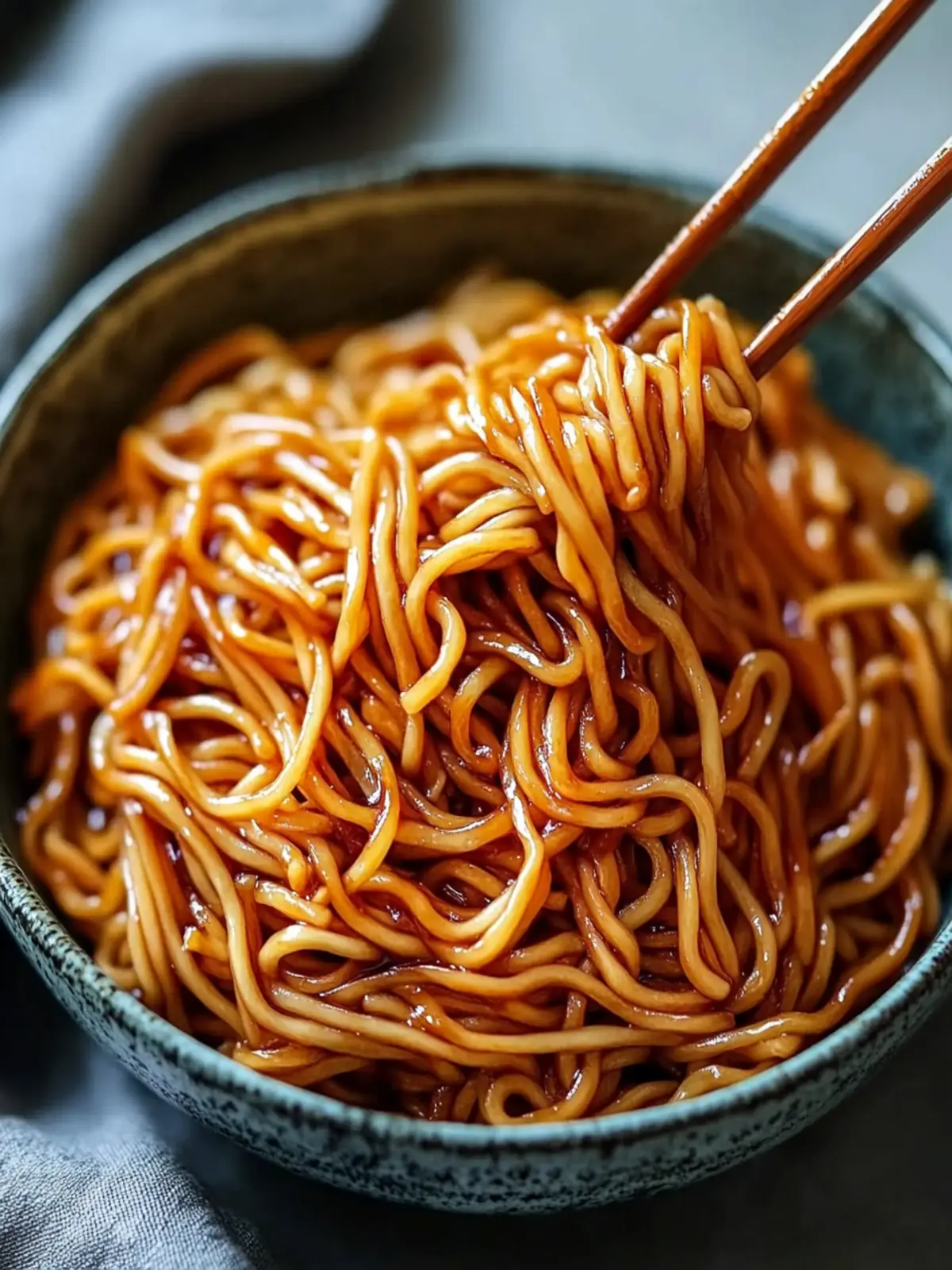
This comes together fast, so have everything prepped and ready before you turn on the heat. Trust me on this one.
- Make the Sauce: In your small bowl, whisk together the soy sauce, dark soy sauce, oyster sauce, sesame oil, and brown sugar. Set it aside. Give it a quick stir again right before you use it, as the sugar can settle at the bottom.
- Cook the Noodles: Bring your large pot of water to a rolling boil. Add the lo mein noodles and cook according to package directions, but subtract 1 minute from the recommended time. You want them al dente and still slightly firm, as they’ll finish cooking in the wok. For fresh lo mein, this is usually about 2-3 minutes.
- Drain and Rinse: Drain the noodles in a colander and immediately rinse them under cold running water. This stops the cooking process and removes excess starch, which prevents them from becoming gummy. Shake the colander well to get rid of as much water as possible. Let them sit for a minute to air dry slightly.
- Prep Your Aromatics: While the noodles are draining, mince your garlic and ginger, and slice your green onions, separating the white and green parts.
- Heat the Wok: Place your wok or skillet over high heat and add the vegetable oil. Let it get shimmering hot—almost to the point of smoking. This is crucial for getting that “wok hei” flavor.
- Stir-Fry Aromatics: Add the white parts of the green onions, the minced garlic, and the minced ginger to the hot oil. Stir-fry constantly for about 15-20 seconds. Don’t let the garlic burn! It should become fragrant and just start to turn golden.
- Add the Noodles: Toss the drained noodles into the wok. Don’t worry if they clump together at first; they’ll separate as they cook.
- Add the Sauce: Pour the sauce mixture evenly over the noodles. Use your spatula to toss and stir everything together, making sure every strand of noodle gets coated. This should take about 1-2 minutes.
- Finish Cooking: Continue stir-frying for another 1-2 minutes. You’ll see the sauce start to thicken and caramelize slightly on the noodles. The noodles should look glossy and feel tender but still have a nice chew.
- Serve Immediately: Transfer the noodles to a serving bowl and garnish with the sliced green parts of the green onions. Serve hot.
Cooking Tips & Techniques
I’ve made this recipe probably twenty times now, and I’ve learned a few things the hard way so you don’t have to.
Don’t Overcook the Noodles: This is the number one mistake. Noodles that are fully cooked before stir-frying will turn into a mushy, sticky mess. Always undercook them by a minute. They’ll finish cooking perfectly in the hot wok.
High Heat is Your Friend: Don’t be shy with the heat. A screaming hot wok is what creates that slightly charred, smoky flavor that makes these noodles taste like they came from a restaurant. If your pan isn’t hot enough, the noodles will steam instead of fry, and you’ll lose that texture.
Work in Batches if Needed: If your wok or skillet isn’t huge, don’t overcrowd it. Cook the noodles in two batches if necessary. Overcrowding lowers the pan’s temperature and leads to steaming, not stir-frying. I learned this lesson when I tried to make a double batch and ended up with soggy noodles. Not my finest moment.
Prep Everything First: This is not a recipe where you can chop and cook at the same time. The cooking process is so fast that you won’t have time to mince garlic while the noodles are in the wok. Set yourself up for success by having all your ingredients measured, chopped, and ready to go.
Use a Metal Spatula: If you’re using a wok or a stainless steel skillet, a metal spatula is great for scraping up any browned bits from the bottom of the pan. Those bits are pure flavor.
Variations & Adaptations
This basic lo mein is a fantastic canvas for all sorts of add-ins and tweaks. Feel free to make it your own.
- Protein-Packed Version: Add cooked, shredded chicken, sliced beef, or shrimp. Stir-fry the protein first, remove it from the wok, and then add it back in at the end with the noodles. I love adding leftover best char siu recipe easy sticky chinese bbq pork for an extra flavor boost.
- Vegetable Lo Mein: Load it up with veggies! Thinly sliced bell peppers, shredded carrots, snap peas, mushrooms, and bean sprouts are all excellent. Stir-fry the harder vegetables (like carrots and peppers) for a minute or two before adding the noodles.
- Spicy Lo Mein: Add 1-2 teaspoons of chili garlic sauce or sriracha to the sauce mixture for a spicy kick. You can also sprinkle red pepper flakes over the finished dish.
- Gluten-Free Option: Use gluten-free lo mein noodles (often made from rice or mung bean starch) and swap the soy sauce for tamari or coconut aminos. Check that your oyster sauce is also gluten-free.
- Low-Carb Adaptation: Use zucchini noodles or shirataki noodles instead of lo mein. The cooking time will be much shorter, so just sauté the “noodles” in the sauce for a minute or two until heated through.
Serving & Storage Suggestions
These noodles are best served immediately, straight from the wok, while they’re still hot and the sauce is glossy. The texture is unbeatable at this point.
Serving: Serve the noodles in a large bowl as a main dish, or as a side to your favorite Asian-inspired protein. They pair beautifully with crispy fried bento pork chop easy 20 minute lunch or some simple pan-seared dumplings. A sprinkle of sesame seeds and extra sliced green onions on top makes for a pretty presentation.
Storage: If you have leftovers (which is rare in my house), store them in an airtight container in the refrigerator for up to 3 days. The noodles will absorb some of the sauce and become a bit softer, but they’re still tasty.
Reheating: The best way to reheat lo mein is in a hot skillet or wok with a tiny splash of water or soy sauce to rehydrate them. Toss over high heat for a minute or two until steaming hot. You can also microwave them in a covered bowl for 1-2 minutes, but the texture won’t be as good.
Flavor Development: Honestly, the flavors actually meld together even more overnight. I’ve been known to eat cold leftover lo mein straight from the fridge as a midnight snack. Don’t judge me.
Nutritional Information & Benefits
This recipe is a satisfying and balanced meal on its own. Here’s a rough estimate per serving (based on 2 servings):
- Calories: ~450-500
- Protein: ~12g
- Fat: ~18g
- Carbohydrates: ~65g
- Fiber: ~3g
- Sugar: ~6g
- Sodium: ~1200mg (varies with soy sauce)
Health Benefits: While this is a comfort dish, it does offer some nutritional perks. The ginger and garlic are known for their anti-inflammatory and immune-boosting properties. The sesame oil provides healthy fats. Plus, making it at home means you control the sodium and sugar levels, which is almost always better than takeout.
Dietary Considerations: This recipe can be made gluten-free, dairy-free, and nut-free (check your specific ingredient labels). It’s not suitable for a low-carb or keto diet unless you swap the noodles.
Conclusion
This easy savory plain lo mein noodles recipe is proof that you don’t need a special takeout menu to get that incredible, satisfying noodle fix. It’s fast, it’s simple, and the flavor is genuinely better than anything you can order in. The texture is perfect—chewy, glossy, and just a little bit charred.
I hope you give this one a try. Play around with the add-ins, make it your own, and don’t be afraid to double the batch. I’d love to hear how it turns out for you! Did you add any fun vegetables? Did you make it spicy? Drop a comment below and let me know—I read every single one. And if you loved it, share this recipe with a friend who needs a good weeknight dinner win. Happy cooking!
Frequently Asked Questions
Can I use regular spaghetti instead of lo mein noodles?
Yes, you can! Dried spaghetti or linguine are the best substitutes. Cook them to al dente (about 1 minute less than the package says) and proceed with the recipe. The texture won’t be exactly the same, but it will still be delicious.
Why are my noodles sticking together?
This usually happens for two reasons: you overcooked the noodles, or you didn’t rinse them well enough after boiling. Make sure to rinse them thoroughly with cold water to remove excess starch, and give them a good shake to drain them well.
Can I make this recipe ahead of time?
These noodles are best enjoyed fresh, but you can prep the sauce and chop the aromatics a day ahead. Store them separately in the fridge. When you’re ready to eat, just cook the noodles and stir-fry everything together.
Is this recipe vegan?
As written, it is not vegan because of the oyster sauce. However, you can easily make it vegan by using a vegetarian oyster sauce (often made from mushrooms) or substituting it with an extra tablespoon of soy sauce and a teaspoon of sugar.
How do I make it less salty?
Use low-sodium soy sauce and low-sodium oyster sauce. You can also reduce the amount of soy sauce by a tablespoon and add a splash of water or vegetable broth to maintain the sauce volume. Taste the sauce before adding it to the noodles and adjust to your preference.
Pin This Recipe!
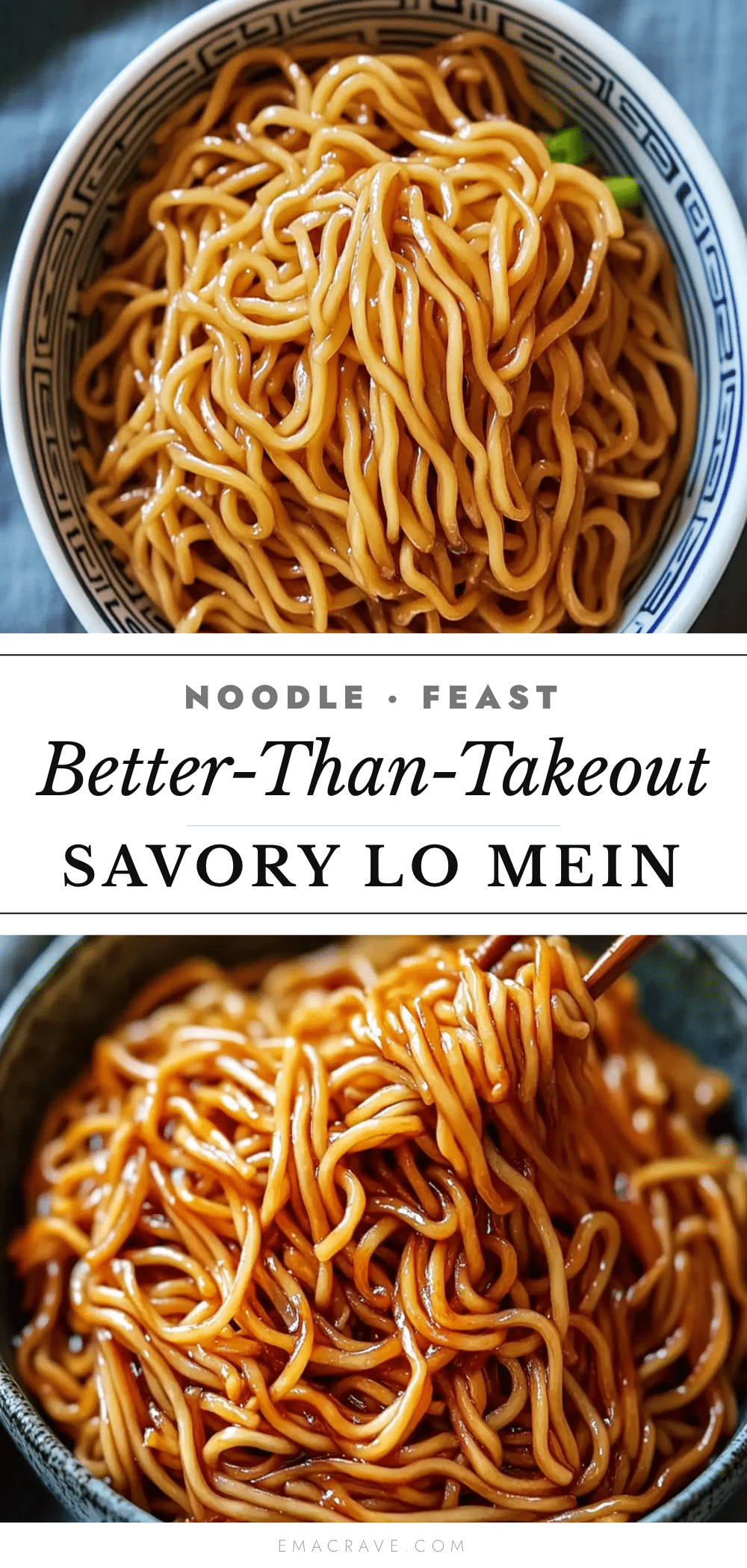
Easy Savory Plain Lo Mein Noodles Better Than Takeout
Perfectly chewy lo mein noodles slicked with a savory sauce that clings to every strand, ready in under 20 minutes. This quick and easy recipe uses simple ingredients to deliver a satisfying, slurpable bowl that rivals takeout.
- Prep Time: 10 minutes
- Cook Time: 10 minutes
- Total Time: 20 minutes
- Yield: 2 servings 1x
- Category: Main Course
- Cuisine: Chinese
Ingredients
- 8 oz (225g) lo mein noodles
- 3 tbsp (45ml) low-sodium soy sauce
- 1 tbsp (15ml) dark soy sauce
- 2 tbsp (30ml) oyster sauce
- 1 tbsp (15ml) toasted sesame oil
- 1 tsp brown sugar
- 4 cloves garlic, minced
- 1 tbsp fresh ginger, minced
- 4–5 green onions, sliced (white and green parts separated)
- 2 tbsp (30ml) vegetable or avocado oil
Instructions
- Make the sauce: In a small bowl, whisk together soy sauce, dark soy sauce, oyster sauce, sesame oil, and brown sugar. Set aside.
- Cook the noodles: Bring a large pot of water to a rolling boil. Add lo mein noodles and cook according to package directions, subtracting 1 minute from the recommended time (about 2-3 minutes for fresh lo mein).
- Drain and rinse: Drain noodles in a colander and immediately rinse under cold running water to stop cooking and remove excess starch. Shake well to remove excess water and let air dry slightly.
- Prep aromatics: While noodles drain, mince garlic and ginger, and slice green onions, separating white and green parts.
- Heat the wok: Place a wok or large skillet over high heat and add vegetable oil. Heat until shimmering hot, almost smoking.
- Stir-fry aromatics: Add white parts of green onions, minced garlic, and minced ginger to hot oil. Stir-fry constantly for 15-20 seconds until fragrant and just starting to turn golden.
- Add noodles: Toss drained noodles into the wok.
- Add sauce: Pour sauce mixture evenly over noodles. Toss and stir with a spatula to coat every strand, about 1-2 minutes.
- Finish cooking: Continue stir-frying for another 1-2 minutes until sauce thickens and caramelizes slightly on noodles. Noodles should be glossy and tender with a nice chew.
- Serve immediately: Transfer to a serving bowl and garnish with sliced green parts of green onions. Serve hot.
Notes
Don’t overcook the noodles; undercook by 1 minute. Use high heat for stir-frying to get a slightly charred, smoky flavor. Prep all ingredients before starting to cook. For a vegan version, use vegetarian oyster sauce or substitute with extra soy sauce and sugar.
Nutrition
- Serving Size: 1 serving (half of r
- Calories: 475
- Sugar: 6
- Sodium: 1200
- Fat: 18
- Saturated Fat: 2.5
- Carbohydrates: 65
- Fiber: 3
- Protein: 12
Keywords: lo mein, easy lo mein, plain lo mein, better than takeout, quick noodles, savory noodles, weeknight dinner