Love this? Save it for later!
Share the inspiration with your friends
I was standing in front of my open fridge at 5:47 PM, absolutely starving, with zero energy to chop, sauté, or even think. It had been one of those weeks where takeout menus started looking like legitimate dinner options. But then I spotted the salmon fillet I’d grabbed on sale a couple days ago, and a bottle of soy sauce hiding in the back. Honestly, that moment of desperation turned into something I now make at least twice a month.
The first time I threw this together, I wasn’t expecting much. I just needed protein fast. I mixed soy sauce, honey, a splash of rice vinegar, and some garlic in a bowl, tossed the salmon in a hot pan, and poured the mixture over it. Within ten minutes, the kitchen smelled incredible—like a Japanese steakhouse but better. The sauce reduced into this glossy, sticky coating that clung to every flake of fish.
I ate it straight from the pan, standing at the counter, and I remember thinking, “Why have I been spending money on teriyaki takeout?” This Quick Sticky Teriyaki Salmon is now my go-to for busy nights, lazy Sundays, and everything in between. It’s proof that you don’t need fancy ingredients or hours in the kitchen to make something that tastes like you tried really hard.
Why You’ll Love This Recipe
Let me tell you why this recipe has earned a permanent spot in my weekly rotation. It solves the “what’s for dinner?” problem in the most delicious way possible.
- Quick & Easy: From fridge to plate in under 15 minutes. No marinating, no complicated steps, no waiting around.
- Simple Ingredients: You probably have everything in your pantry right now. Soy sauce, honey, garlic, rice vinegar—that’s it.
- Perfect for Busy Weeknights: This is the meal you make when you’re tired, hungry, and need something satisfying without the effort.
- Crowd-Pleaser: Even picky eaters love it. The sticky-sweet glaze wins everyone over.
- Unbelievably Delicious: The sauce caramelizes into this thick, glossy coating that’s pure magic. It’s comfort food that feels fancy.
What makes this different from other teriyaki salmon recipes? It’s the technique. Most recipes call for marinating the fish, which takes time and often leads to mushy texture. Instead, we cook the salmon first, then build the glaze right in the pan. This gives you perfectly flaky fish with a thick, sticky sauce that actually sticks. No watery teriyaki here.
This recipe connects with that deep need for a meal that feels special but requires almost no effort. It’s the kind of dinner that makes you feel like you have your life together, even when you absolutely don’t. One bite, and you’ll understand why this has become my most-requested recipe.
What Ingredients You Will Need
This recipe uses simple, everyday ingredients that come together to create something truly special. The magic is in the balance of sweet, salty, and tangy flavors.
For the Salmon
- 2 salmon fillets (about 6 oz each) – Skin-on or skinless works fine. I prefer skin-on because it gets crispy and adds texture. Look for fillets that are similar in thickness so they cook evenly.
- 1 tablespoon olive oil – Or any neutral oil with a high smoke point. Avocado oil works great too.
- Salt and black pepper, to taste – Keep it simple. The sauce does the heavy lifting.
For the Sticky Teriyaki Glaze
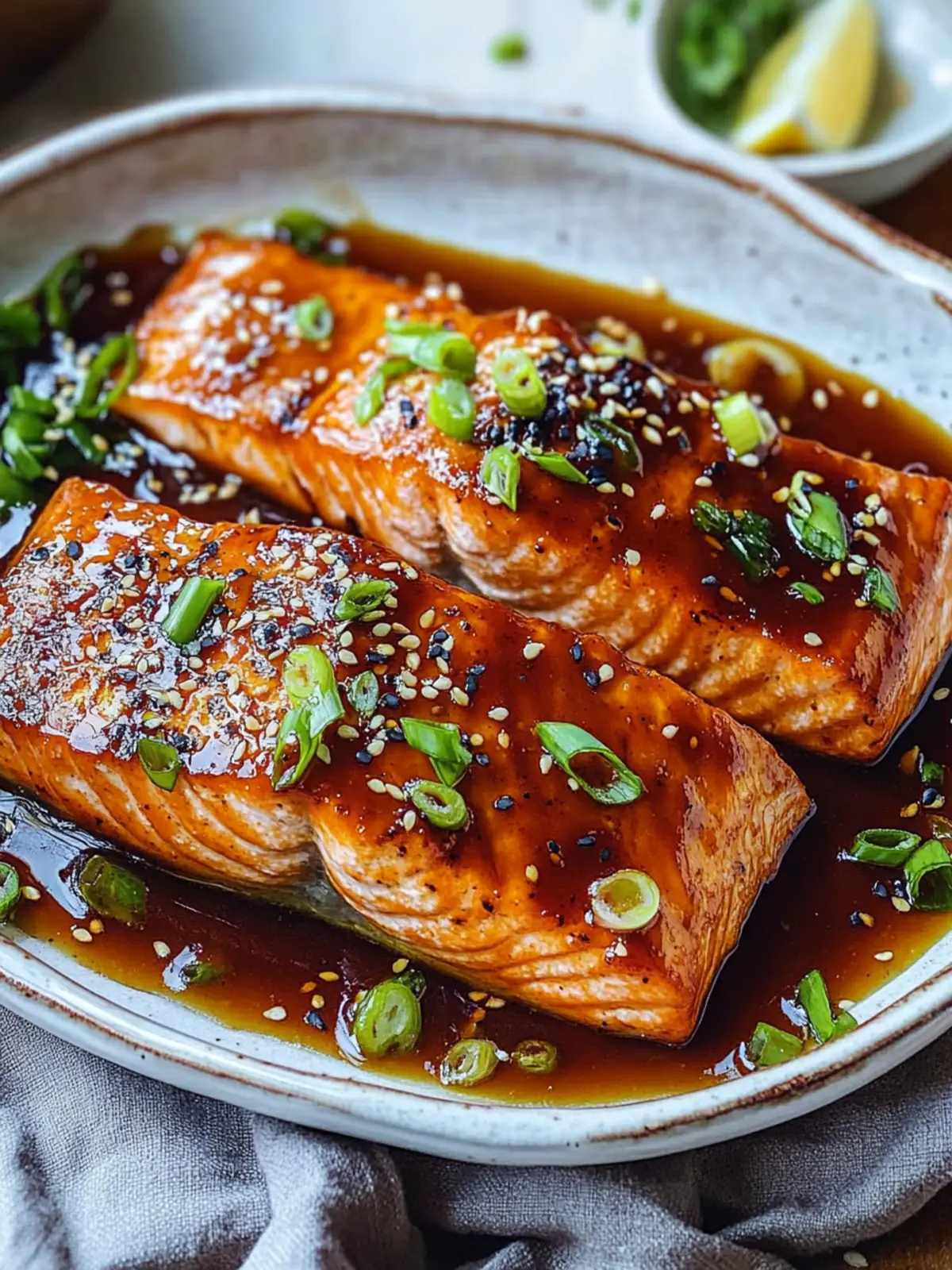
- ¼ cup low-sodium soy sauce – I recommend Kikkoman or San-J. Low-sodium is important here so the sauce doesn’t become too salty as it reduces.
- 3 tablespoons honey – This gives the glaze its signature stickiness and sweetness. You can substitute maple syrup or brown sugar if needed.
- 2 tablespoons rice vinegar – Adds brightness and cuts through the richness of the salmon. Unseasoned is best.
- 2 cloves garlic, minced – Fresh garlic makes a difference here. Don’t use the jarred stuff if you can help it.
- 1 teaspoon fresh ginger, grated – This is optional but highly recommended. It adds warmth and depth. I use a microplane for this.
- 1 teaspoon cornstarch mixed with 2 teaspoons water – The secret to that thick, glossy texture. This slurry thickens the sauce in seconds.
- 1 teaspoon sesame oil – For finishing. Adds a nutty aroma that makes the dish taste complete.
For Serving
- Steamed rice – Jasmine or short-grain white rice is perfect. The sticky rice soaks up the extra sauce beautifully.
- Sliced green onions – For freshness and color.
- Toasted sesame seeds – Adds a nice crunch.
- Steamed broccoli or a simple cucumber salad – To balance the richness. I love this Easy Homemade Crispy Cucumber Vinegar Salad on the side.
Equipment Needed
You don’t need much for this recipe, which is part of its beauty. Here’s what you’ll need:
- A large non-stick skillet or frying pan – This is crucial. A non-stick surface ensures the salmon releases easily and the sauce doesn’t burn. I use a 10-inch pan.
- A fish spatula or thin metal spatula – Makes flipping the salmon effortless without breaking it apart.
- A small bowl – For mixing the sauce ingredients.
- A microplane or fine grater – For grating the ginger. A regular grater works too, but microplane gives you that fine, pasty texture.
- Tongs – For handling the salmon and flipping it.
- A sharp knife and cutting board – For mincing garlic and slicing green onions.
If you don’t have a non-stick skillet, a well-seasoned cast iron pan works too. Just make sure to add a little extra oil to prevent sticking. I’ve made this in a stainless steel pan before, and honestly, it’s a bit of a pain. The sauce tends to stick and burn. Stick with non-stick if you can.
Preparation Method
This comes together so fast that I recommend having everything prepped and ready before you start cooking. Trust me on this—once the salmon hits the pan, there’s no time to chop garlic.
Step 1: Prep the Salmon
Pat the salmon fillets dry with paper towels. This is important because dry fish sears better and doesn’t steam. Season both sides lightly with salt and pepper. If your fillets have skin, score the skin lightly with a sharp knife in a few places. This prevents the skin from curling up as it cooks.
Step 2: Make the Sauce
In a small bowl, whisk together the soy sauce, honey, rice vinegar, minced garlic, and grated ginger. Set it aside. In another tiny bowl, mix the cornstarch and water to make a slurry. Keep that nearby too.
Step 3: Sear the Salmon
Heat the olive oil in your non-stick skillet over medium-high heat. Once the oil is shimmering (but not smoking), carefully place the salmon fillets skin-side down if using skin-on. Let them cook undisturbed for 3-4 minutes. You should see the edges turning golden and crispy. Use your fish spatula to gently lift a corner and check—if it’s deeply golden, it’s ready to flip.
Step 4: Flip and Add the Sauce
Carefully flip the salmon fillets. Cook for another 2 minutes on the second side. Then, pour the prepared teriyaki sauce into the pan around the salmon (not directly on top, or you’ll wash away the sear). Let the sauce bubble and reduce for about 1 minute.
Step 5: Thicken the Glaze
Give the cornstarch slurry a quick stir (it settles fast), then pour it into the pan. Stir gently around the salmon. Within 30 seconds, you’ll see the sauce transform from watery to thick and glossy. It should coat the back of a spoon. Tilt the pan and spoon the glaze over the salmon fillets repeatedly. This builds up that gorgeous sticky layer.
Step 6: Finish and Serve
Drizzle the sesame oil over the salmon and give everything one last swirl. Remove the pan from heat immediately. Serve the salmon over steamed rice, spoon any remaining pan sauce over the top, and garnish with sliced green onions and toasted sesame seeds. The whole process takes about 12 minutes from start to finish.
One thing I learned the hard way—don’t walk away from the pan during the glazing step. The sauce can go from perfect to burnt in about 15 seconds. Stay close and keep it moving.
Cooking Tips & Techniques
I’ve made this recipe more times than I can count, and I’ve definitely made my share of mistakes. Here’s what I’ve learned so you don’t have to repeat my failures.
Don’t overcrowd the pan. If you’re cooking more than two fillets, do it in batches. Crowding lowers the pan temperature, which means the salmon steams instead of sears. You want that golden crust.
Patience is key with the sear. The first time I made this, I tried to flip the salmon after just 2 minutes. It stuck, fell apart, and I ended up with salmon scramble. Let it cook undisturbed for the full 3-4 minutes. When it’s ready, it will release easily from the pan.
Adjust the sweetness to your taste. Some people like their teriyaki sweeter, some prefer it saltier. Start with 3 tablespoons of honey, then taste the sauce before adding it to the pan. You can always add more honey or a splash more soy sauce.
Use room temperature salmon. Take the fillets out of the fridge 10-15 minutes before cooking. Cold salmon sears unevenly and can be tough in the center while the outside is overcooked.
Double the sauce if you love extra. I always make 1.5 times the sauce recipe because I like to drizzle it over my rice. Just remember to increase the cornstarch slurry proportionally.
If you’re looking for another quick weeknight dinner that delivers big flavor, you should try this Crispy Fried Bento Pork Chop. It’s another 20-minute meal that feels like a treat.
Variations & Adaptations
This recipe is incredibly flexible. Here are some ways I’ve adapted it over the years:
Spicy Teriyaki Salmon: Add 1 teaspoon of sriracha or gochujang to the sauce. The heat balances beautifully with the sweetness. I love serving this version with a side of Gochujang Rice Bowl for a spicy Korean-inspired dinner.
Gluten-Free Version: Use tamari or coconut aminos instead of soy sauce. Both work perfectly and the flavor is almost identical. Make sure your rice vinegar is also gluten-free (most are).
Air Fryer Method: Cook the salmon in an air fryer at 375°F for 8-10 minutes, then toss it in the prepared glaze. The texture is slightly different—crispier on the outside—but still delicious.
Low-Carb/Keto Option: Skip the honey and use a sugar-free sweetener like monk fruit or allulose. Serve over cauliflower rice instead of regular rice. The glaze will still get sticky, just slightly less sweet.
Different Protein: This glaze works beautifully on chicken thighs, tofu, or even shrimp. Adjust cooking times accordingly. For chicken, cook until internal temperature reaches 165°F.
Add Vegetables: Toss in some snap peas, bell peppers, or broccoli florets during the last 2 minutes of cooking. They’ll soak up the sauce and become incredibly flavorful.
I once made this with a miso-tahini twist by adding a tablespoon of white miso paste to the sauce. It was incredible—rich, nutty, and deeply savory. Definitely worth trying if you have miso in your fridge.
Serving & Storage Suggestions
This salmon is best served immediately, straight from the pan to the plate. The glaze is at its stickiest and most glorious when it’s hot. Serve it over a bed of steamed jasmine rice with a side of steamed broccoli or a crisp cucumber salad. The freshness of the vegetables balances the richness of the salmon.
For a complete meal, I like to pair it with Quick Easy Curry Quinoa for something different than rice. The curry notes complement the teriyaki surprisingly well.
Refrigerator Storage: Store leftover salmon in an airtight container in the fridge for up to 3 days. The glaze will thicken as it cools, almost like a jelly. That’s normal and actually delicious.
Reheating: The best way to reheat is in a skillet over medium-low heat with a splash of water. This loosens the glaze without drying out the fish. Microwave works in a pinch, but it can make the salmon rubbery. If using the microwave, cover the plate with a damp paper towel.
Freezing: You can freeze cooked teriyaki salmon for up to 2 months. Wrap each fillet individually in plastic wrap, then place in a freezer bag. Thaw overnight in the fridge before reheating. The texture won’t be quite as perfect as fresh, but it’s still tasty for a quick lunch.
The flavors actually deepen after a day in the fridge. I’ve been known to make extra just so I can have cold teriyaki salmon on a rice bowl the next day. It’s that good.
Nutritional Information & Benefits
Here’s the approximate nutritional breakdown for one serving (1 fillet with glaze, without rice or sides):
- Calories: 380
- Protein: 34g
- Fat: 18g
- Carbohydrates: 22g
- Sugar: 18g
- Sodium: 720mg
- Fiber: 0g
Salmon is packed with omega-3 fatty acids, which are fantastic for heart health and brain function. It’s also an excellent source of high-quality protein, B vitamins, and selenium. The honey provides quick energy, though if you’re watching your sugar intake, you can reduce it to 2 tablespoons.
This recipe is naturally dairy-free and can easily be made gluten-free and low-carb with simple substitutions. It’s a well-balanced meal that fits into most dietary patterns without feeling restrictive.
I personally love that this dish feels indulgent but is actually pretty healthy. It’s the kind of meal that makes you feel good about what you’re eating, both during and after.
Conclusion
This Quick Sticky Teriyaki Salmon has saved my dinner plans more times than I can count. It’s fast, simple, and delivers restaurant-quality flavor without the wait or the bill. Whether you’re cooking for yourself, your family, or trying to impress someone on a weeknight, this recipe never disappoints.
Don’t be afraid to play with the ingredients and make it your own. Add more garlic, dial up the heat, or throw in some extra veggies. The beauty of this recipe is that it’s a foundation for whatever you’re craving.
I’d love to hear how it turns out for you! Drop a comment below and let me know if you tried any fun variations. And if you loved it as much as I do, share it with a friend who needs a quick dinner win. Happy cooking!
Frequently Asked Questions
Can I use frozen salmon for this recipe?
Yes, but thaw it completely in the fridge overnight first. Pat it very dry before cooking, as frozen salmon releases more water. The sear won’t be quite as crispy, but the flavor will still be excellent.
Why did my sauce burn?
This usually happens when the heat is too high or the pan is too hot when you add the sauce. Use medium heat for the glazing step, and keep the sauce moving in the pan. If it starts to look dark and smoky, remove the pan from heat immediately.
Can I make the sauce ahead of time?
Absolutely! Mix the soy sauce, honey, rice vinegar, garlic, and ginger up to 3 days in advance. Store it in the fridge in an airtight container. Add the cornstarch slurry fresh when you’re ready to cook.
Is this recipe spicy?
Not at all in its basic form. It’s sweet and savory with no heat. If you want spice, add sriracha, red pepper flakes, or gochujang to the sauce. Start with a small amount and taste as you go.
What can I serve with teriyaki salmon besides rice?
So many options! Try it over quinoa, noodles, or a bed of greens for a lighter meal. It also pairs wonderfully with roasted vegetables, a simple cucumber salad, or Easy Homemade Garlic Pita Bread for soaking up the extra sauce.
Pin This Recipe!
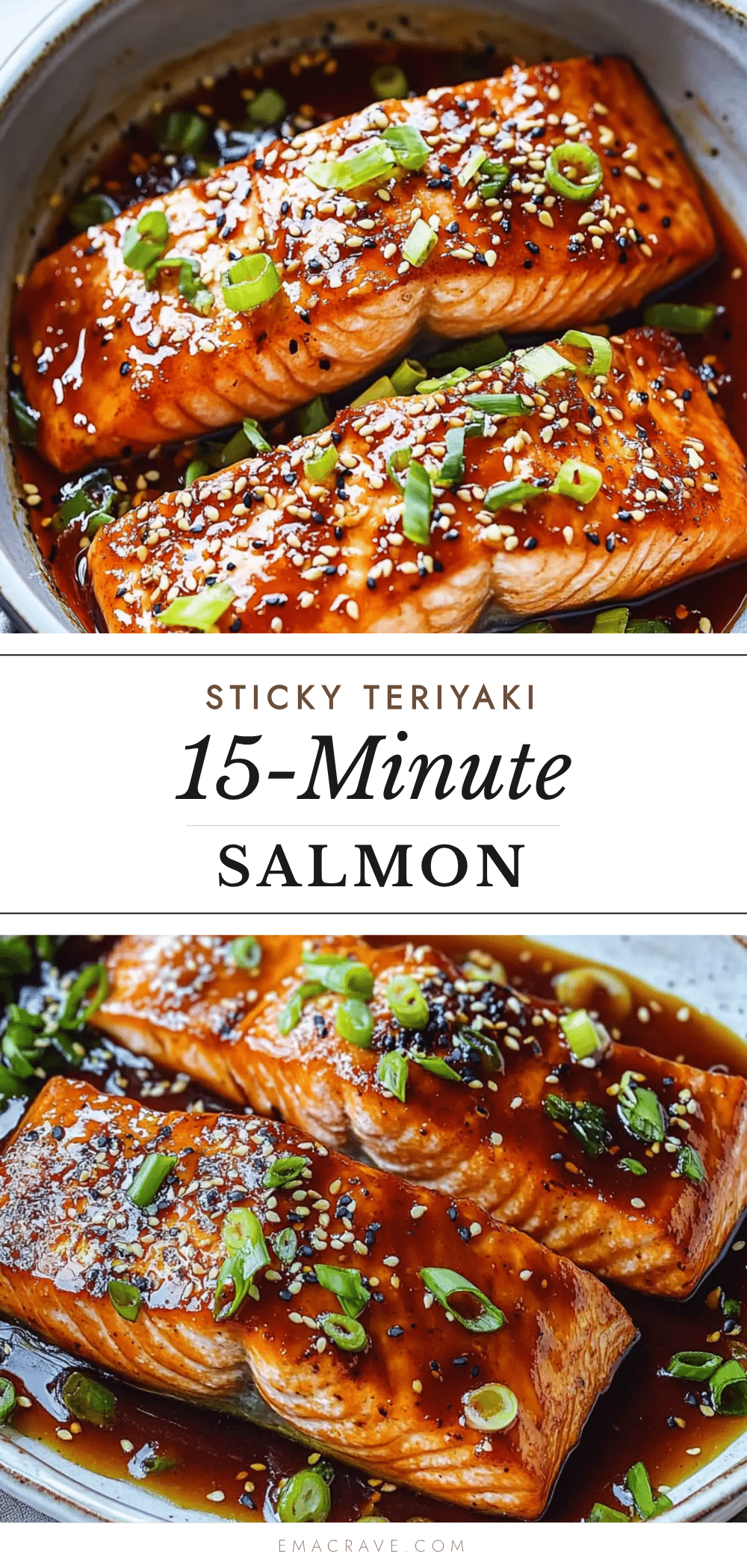
Quick Sticky Teriyaki Salmon: Easy 15-Minute Dinner
This Quick Sticky Teriyaki Salmon is a fast, simple, and delicious weeknight dinner that comes together in under 15 minutes. With a glossy, sweet-savory glaze and perfectly flaky fish, it’s a crowd-pleaser that feels fancy without the effort.
- Prep Time: 5 minutes
- Cook Time: 10 minutes
- Total Time: 15 minutes
- Yield: 2 servings 1x
- Category: Main Course
- Cuisine: Japanese
Ingredients
- 2 salmon fillets (about 6 oz each)
- 1 tablespoon olive oil
- Salt and black pepper, to taste
- ¼ cup low-sodium soy sauce
- 3 tablespoons honey
- 2 tablespoons rice vinegar
- 2 cloves garlic, minced
- 1 teaspoon fresh ginger, grated
- 1 teaspoon cornstarch mixed with 2 teaspoons water
- 1 teaspoon sesame oil
- Steamed rice, for serving
- Sliced green onions, for garnish
- Toasted sesame seeds, for garnish
- Steamed broccoli or cucumber salad, for serving (optional)
Instructions
- Pat the salmon fillets dry with paper towels. Season both sides lightly with salt and pepper. If using skin-on fillets, score the skin lightly with a sharp knife in a few places.
- In a small bowl, whisk together the soy sauce, honey, rice vinegar, minced garlic, and grated ginger. Set aside. In another tiny bowl, mix the cornstarch and water to make a slurry.
- Heat the olive oil in a large non-stick skillet over medium-high heat. Once the oil is shimmering, carefully place the salmon fillets skin-side down (if using skin-on). Cook undisturbed for 3-4 minutes until the edges are golden and crispy.
- Carefully flip the salmon fillets. Cook for another 2 minutes on the second side. Pour the prepared teriyaki sauce into the pan around the salmon (not directly on top). Let the sauce bubble and reduce for about 1 minute.
- Stir the cornstarch slurry, then pour it into the pan. Stir gently around the salmon. Within 30 seconds, the sauce will thicken and become glossy. Tilt the pan and spoon the glaze over the salmon fillets repeatedly.
- Drizzle the sesame oil over the salmon and remove the pan from heat immediately. Serve the salmon over steamed rice, spoon any remaining pan sauce over the top, and garnish with sliced green onions and toasted sesame seeds.
Notes
Don’t walk away from the pan during the glazing step; the sauce can go from perfect to burnt in about 15 seconds. Use room temperature salmon for even cooking. Double the sauce if you love extra for drizzling over rice.
Nutrition
- Serving Size: 1 fillet with glaze
- Calories: 380
- Sugar: 18
- Sodium: 720
- Fat: 18
- Saturated Fat: 3
- Carbohydrates: 22
- Protein: 34
Keywords: teriyaki salmon, sticky salmon, quick dinner, easy salmon recipe, 15-minute meal, weeknight dinner, salmon recipe, teriyaki glaze