Love this? Save it for later!
Share the inspiration with your friends
The wok let out a loud sizzle as the soy sauce hit the hot oil, and I just stood there, staring at the pile of vegetables I’d chopped in a desperate hurry. It was a Tuesday night, around 7:45 PM, and I had exactly zero energy left. The fridge looked sad—half a bell pepper, some wilting scallions, and a pack of udon noodles I’d bought on a whim last week. I remember thinking, “This is either going to be a disaster or the best thing I eat all week.”
Honestly, I wasn’t aiming for anything fancy. I just wanted dinner on the table without dirtying every dish I owned. So I grabbed the soy sauce, a splash of mirin I found hiding behind the pickle jar, and some honey that had crystallized at the edges. I tossed everything into one pot—noodles, veggies, sauce—and stirred like I meant it. Twenty minutes later, I was leaning against the counter, fork in hand, genuinely surprised by how good it was. The noodles were perfectly coated, the teriyaki glaze was sticky and savory, and the whole thing felt like a hug in a bowl.
That night, I texted my sister a photo with the caption, “One pot, zero regrets.” She replied with three fire emojis and a request for the recipe. So here we are. This quick one-pot teriyaki noodles recipe isn’t just another weeknight dinner—it’s the one I keep coming back to when I need something fast, satisfying, and honestly, a little forgiving. You don’t have to measure perfectly. You don’t need a specialty ingredient. You just need one pot and a hungry stomach.
Why You’ll Love This Recipe
Let me tell you why this one-pot teriyaki noodles recipe has earned a permanent spot in my weekly rotation. I’ve tested it at least six times now, tweaking the sauce ratio and noodle type until it felt just right. And every time, it delivers.
- Quick & Easy: From fridge to table in under 30 minutes. Seriously. I’ve timed it.
- Simple Ingredients: You probably have most of these in your pantry right now. No fancy trips to a specialty store.
- Perfect for Busy Weeknights: This is the dinner you make when you’re tired, hungry, and just want something that tastes like you tried harder than you actually did.
- Crowd-Pleaser: I’ve served it to picky kids, hungry friends, and even my dad who swears he doesn’t like “Asian food.” He asked for seconds.
- Unbelievably Delicious: The sauce clings to every noodle like it was meant to be there. It’s savory, slightly sweet, and has that umami punch that makes you close your eyes on the first bite.
What makes this different from other teriyaki noodle recipes? It’s the technique. Most recipes have you cook the noodles separately, drain them, then toss with sauce. Not here. Everything cooks together in one pot, so the noodles absorb the sauce as they soften. The result? Deeper flavor, less cleanup, and zero chance of overcooked noodles.
This is comfort food reimagined—faster, simpler, but with the same soul-soothing satisfaction. It’s perfect for impressing guests without the stress, or turning a chaotic Tuesday into something quietly wonderful.
What Ingredients You Will Need
This recipe uses simple, wholesome ingredients to deliver bold flavor and satisfying texture without the fuss. Most are pantry staples, which makes it perfect for those nights when you think you have nothing to cook.
For the Teriyaki Sauce
- Soy sauce (¼ cup): Use low-sodium if you prefer less salt. I like Kikkoman or San-J for consistent flavor.
- Mirin (2 tablespoons): Adds a mild sweetness and depth. If you don’t have mirin, mix 1 tablespoon honey with 1 tablespoon rice vinegar.
- Honey (2 tablespoons): For natural sweetness. Maple syrup works too, but honey gives a better glaze.
- Rice vinegar (1 tablespoon): Balances the sweetness with a touch of acidity.
- Fresh garlic (3 cloves, minced): Don’t use jarred—it really makes a difference here.
- Fresh ginger (1 teaspoon, grated): Adds warmth and zing. I grate mine on a microplane for the best texture.
- Sesame oil (1 teaspoon): For that nutty aroma. A little goes a long way.
- Cornstarch (1 teaspoon): Mixed with 2 tablespoons water to thicken the sauce at the end.
For the Noodles & Vegetables
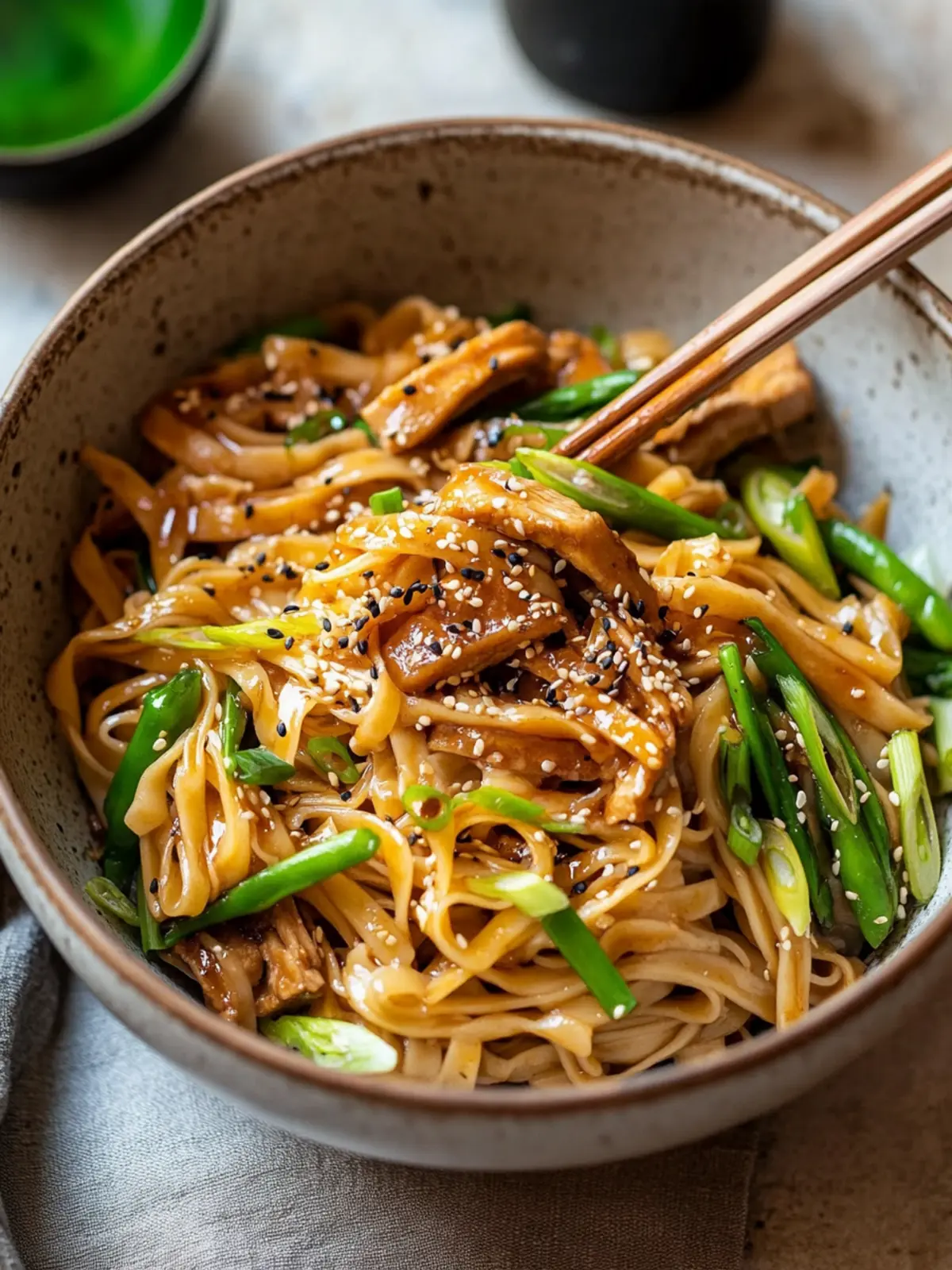
- Udon noodles (7 ounces, dried): Thick and chewy, they hold the sauce beautifully. You can also use lo mein or even spaghetti in a pinch.
- Broccoli florets (1 cup): Adds crunch and color. Frozen works if you thaw them first.
- Red bell pepper (1, thinly sliced): For sweetness and texture.
- Carrot (1, julienned): I use a julienne peeler for speed.
- Green onions (3, sliced): Save the green parts for garnish.
- Sesame seeds (1 tablespoon, for garnish): Optional but highly recommended.
Ingredient Selection Tips
For the best texture, look for dried udon noodles that are thick and slightly chewy—I prefer the brand Hakubaku. If you’re gluten-free, use brown rice noodles and add an extra tablespoon of soy sauce to compensate for the milder flavor. For a lower-carb option, swap the noodles with zucchini spirals, but add them in the last 2 minutes of cooking so they don’t get mushy.
Equipment Needed
One of the best things about this recipe? You don’t need a lot of gear. Here’s what you’ll need:
- Large pot or deep skillet (4-5 quart): A Dutch oven works perfectly. I use my trusty enameled cast iron pot—it distributes heat evenly and has high sides to prevent splattering.
- Wooden spoon or silicone spatula: For stirring without scratching your pot.
- Microplane or fine grater: For fresh ginger and garlic. A regular grater works too, but a microplane gives you that paste-like texture.
- Measuring cups and spoons: For accuracy, especially with the sauce.
- Sharp knife and cutting board: You’ll be doing some chopping, so a good knife makes it faster.
If you don’t have a microplane, just mince the ginger finely with a knife. And if you’re using a nonstick pot, be gentle with the wooden spoon to avoid scratching the surface. Budget-friendly tip: a basic stainless steel pot from IKEA works just fine—I used one for years before upgrading.
Preparation Method
Let’s get cooking. This entire process takes about 25 minutes from start to finish, and most of that is hands-off simmering time.
- Make the teriyaki sauce (5 minutes): In a small bowl, whisk together ¼ cup soy sauce, 2 tablespoons mirin, 2 tablespoons honey, 1 tablespoon rice vinegar, minced garlic, and grated ginger. Set aside. The smell at this point is incredible—sweet, savory, and slightly pungent from the ginger.
- Prep your vegetables (5 minutes): Wash and chop the broccoli into small florets. Thinly slice the red bell pepper. Julienne the carrot. Slice the green onions, keeping the white and green parts separate. I like to do all my prep before turning on the stove—it makes the cooking process much smoother.
- Start cooking (2 minutes): Heat 1 tablespoon of vegetable oil in your large pot over medium-high heat. Add the white parts of the green onions and cook for about 30 seconds until fragrant. Be careful not to burn them—they should just soften and release their aroma.
- Add the vegetables (3 minutes): Toss in the broccoli, bell pepper, and carrot. Stir-fry for 2-3 minutes until the broccoli turns bright green and the peppers soften slightly. You want them tender-crisp, not mushy. If your pot seems dry, add a splash of water.
- Add noodles and sauce (10 minutes): Pour in the teriyaki sauce you made earlier, then add 2 cups of water. Bring to a boil. Add the dried udon noodles, breaking them apart if they’re stuck together. Reduce heat to medium-low, cover, and let simmer for 8-10 minutes. Stir occasionally to prevent sticking. The noodles will absorb the liquid and plump up beautifully.
- Thicken the sauce (2 minutes): In a small bowl, mix 1 teaspoon cornstarch with 2 tablespoons cold water until smooth. Uncover the pot and pour the cornstarch slurry in while stirring. Let it cook for another 1-2 minutes until the sauce thickens and coats the noodles. You’ll see it change from watery to glossy—that’s the magic moment.
- Finish and serve (1 minute): Turn off the heat. Drizzle with 1 teaspoon sesame oil and toss gently. Garnish with the green parts of the scallions and a sprinkle of sesame seeds. Serve immediately while it’s hot and sticky.
Pro tip: If the noodles look too dry after cooking, add a splash of hot water or extra soy sauce to loosen them up. The sauce will continue to thicken as it cools, so don’t panic if it seems loose at first.
Cooking Tips & Techniques
I’ve made this recipe enough times to learn a few things the hard way. Here are my best tips for getting it right every time.
Don’t overcook the noodles. Udon noodles are forgiving, but if you let them simmer too long, they’ll turn mushy. Check them at the 8-minute mark—they should be tender but still have a slight chew. If you’re using fresh udon, reduce the cooking time to 3-4 minutes.
Toast your sesame seeds. This is a tiny step that makes a huge difference. Dry-toast them in a small pan over medium heat for about 1 minute until they’re fragrant and lightly golden. They add a nutty crunch that elevates the whole dish.
Layer your flavors. Don’t just dump everything in at once. Cooking the aromatics first (garlic, ginger, scallion whites) builds a flavor base that makes the sauce taste more complex. I learned this after making a batch that tasted flat—the difference was night and day.
Keep an eye on the liquid level. Different noodle brands absorb liquid at different rates. If your pot looks dry before the noodles are done, add ¼ cup of hot water. If it looks soupy at the end, let it simmer uncovered for a few extra minutes to reduce.
Multitask like a pro. While the noodles simmer, you can prep a quick side dish. I often make a simple cucumber salad or steam some edamame. If you want a protein boost, try adding leftover shredded chicken or cubed tofu during the last 3 minutes of cooking.
One mistake I made early on? Using too much cornstarch. The sauce turned into a gluey mess. Stick to 1 teaspoon—it’s enough to give you that glossy, restaurant-style finish without turning gummy.
Variations & Adaptations
This recipe is incredibly flexible. Here are some ways to make it your own.
Spicy Teriyaki Noodles: Add 1 teaspoon of sriracha or gochujang to the sauce for a spicy kick. I love this version when I’m craving heat—it balances the sweetness perfectly.
Protein-Packed Version: Add 1 cup of cooked shredded chicken, cubed tofu, or even leftover quick honey garlic shrimp during the last 3 minutes of cooking. The shrimp version is especially good—the honey garlic notes complement the teriyaki sauce beautifully.
Vegetable Swap: Use whatever vegetables you have on hand. Snow peas, bok choy, mushrooms, or zucchini all work great. Just adjust cooking times based on how dense the veggie is—mushrooms need only 2 minutes, while bok choy stems need about 4.
Gluten-Free Option: Use brown rice noodles or soba noodles (make sure they’re 100% buckwheat). Replace soy sauce with tamari or coconut aminos. The texture will be slightly different, but still delicious.
Low-Carb Adaptation: Swap the noodles with zucchini spirals or shirataki noodles. If using zucchini, add them in the last 2 minutes of cooking so they just warm through. Shirataki noodles benefit from being dry-fried first to remove excess water.
I once made a version with leftover quick savory black pepper beef udon noodles that I had in the fridge—just chopped the beef and tossed it in. It was honestly better than the original. Don’t be afraid to experiment.
Serving & Storage Suggestions
This dish is best served immediately, while the noodles are still hot and the sauce is glossy. But here’s how to handle leftovers and make the most of it.
Serving: Serve the noodles in deep bowls, garnished with extra sliced green onions, sesame seeds, and a drizzle of chili oil if you like heat. I like to pair it with a simple cucumber salad (just sliced cucumbers, rice vinegar, and a pinch of sugar) or some creamy matcha cream cheese spread on the side for a fun contrast. For a heartier meal, serve alongside steamed edamame or a bowl of miso soup.
Storage: Store leftovers in an airtight container in the refrigerator for up to 3 days. The noodles will absorb some of the sauce overnight, so they’ll be less saucy but still tasty. I actually love them cold straight from the fridge—they make a great next-day lunch.
Reheating: The best way to reheat is in a skillet over medium heat with a splash of water or soy sauce. Stir frequently for 2-3 minutes until heated through. You can also microwave in 30-second bursts, but the texture won’t be as good. Avoid reheating more than once.
Freezing: I don’t recommend freezing this dish. The noodles become mushy and the sauce separates when thawed. If you must, freeze the sauce separately and cook fresh noodles when you’re ready to eat.
One thing I’ve noticed: the flavors actually deepen after a day in the fridge. The ginger and garlic meld together, and the sauce becomes more intense. So if you can resist eating it all, the leftovers might be even better.
Nutritional Information & Benefits
Here’s a rough estimate per serving (based on 4 servings, using udon noodles and the vegetable mix listed above):
| Nutrient | Amount per Serving |
|---|---|
| Calories | 385 |
| Protein | 10g |
| Carbohydrates | 68g |
| Fiber | 4g |
| Sugar | 14g |
| Fat | 6g |
| Sodium | 980mg |
This dish provides a good balance of carbs for energy, fiber from the vegetables, and a modest amount of protein. The ginger in the sauce is known for its anti-inflammatory properties, and garlic supports immune health. If you’re watching your sodium, use low-sodium soy sauce and reduce the amount to 3 tablespoons.
For a lower-carb option, swap the udon for zucchini noodles—this cuts the carbs by about 40g per serving. And if you’re gluten-free, the substitutions mentioned earlier work well without sacrificing too much flavor. This recipe is naturally dairy-free and can be made vegan by using maple syrup instead of honey.
Conclusion
This quick one-pot teriyaki noodles recipe is the kind of meal that makes you feel like you’ve got your life together, even when you don’t. It’s fast, forgiving, and packed with flavor that tastes like you spent way more effort than you actually did. I’ve made it on frantic weeknights, lazy Sundays, and even for a small dinner party where everyone asked for the recipe.
What I love most about it is how adaptable it is. You can throw in whatever vegetables are wilting in your fridge, swap the protein based on what you have, or dial up the spice if you’re feeling bold. It’s a recipe that works with you, not against you.
So go ahead—give it a try. And when you do, I’d love to hear how it turned out. Did you add something unexpected? Did your family ask for seconds? Drop a comment below or tag me in your photos. Happy cooking, friend!
Frequently Asked Questions
Can I use fresh udon noodles instead of dried?
Absolutely. If using fresh udon, reduce the cooking time to 3-4 minutes after adding them to the pot. Fresh noodles cook much faster and have a softer texture. Just keep an eye on them so they don’t turn mushy.
What can I use instead of mirin?
If you don’t have mirin, mix 1 tablespoon of honey with 1 tablespoon of rice vinegar. This mimics the sweetness and acidity of mirin. You can also use a splash of sake or dry sherry in a pinch.
Can I make this recipe gluten-free?
Yes! Use gluten-free noodles like brown rice noodles or 100% buckwheat soba noodles. Replace the soy sauce with tamari or coconut aminos. Everything else in the recipe is naturally gluten-free.
How do I prevent the noodles from sticking together?
Stir the noodles occasionally during the first 5 minutes of simmering. If they still stick, add an extra ¼ cup of water. The cornstarch slurry at the end also helps create a sauce that coats the noodles and prevents clumping.
Can I add protein to this dish?
Definitely. Add cooked chicken, shrimp, tofu, or beef during the last 3 minutes of cooking. Leftover quick honey garlic shrimp works beautifully—just chop and toss it in. For a vegetarian option, add cubed firm tofu or edamame.
Pin This Recipe!
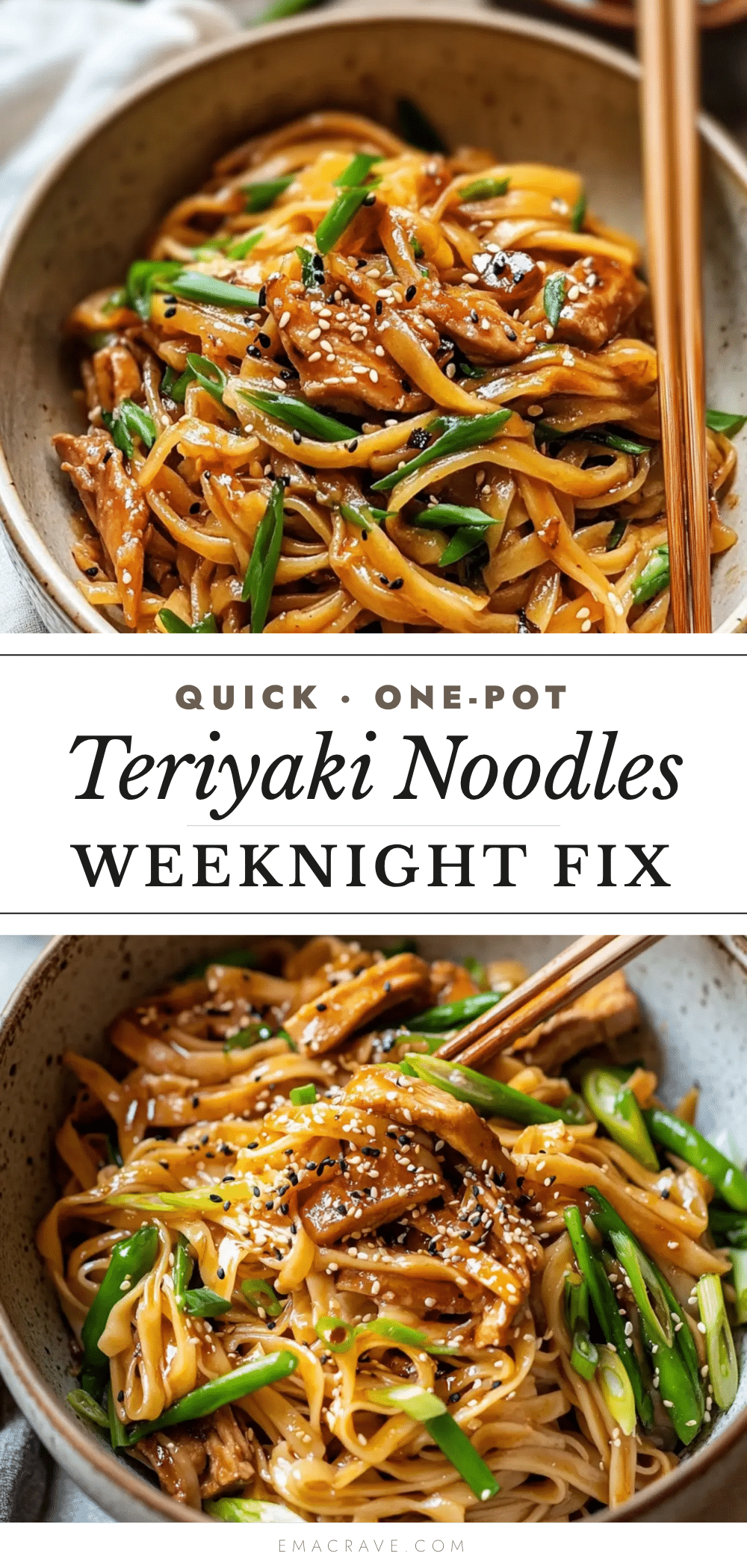
Easy One-Pot Teriyaki Noodles Recipe Under 30 Minutes
A quick and forgiving one-pot teriyaki noodle recipe that comes together in under 30 minutes with simple pantry ingredients. Perfect for busy weeknights, this dish delivers savory, slightly sweet noodles with a glossy sauce that clings to every strand.
- Prep Time: 10 minutes
- Cook Time: 15 minutes
- Total Time: 25 minutes
- Yield: 4 servings 1x
- Category: Main Course
- Cuisine: Japanese
Ingredients
- ¼ cup soy sauce (low-sodium if preferred)
- 2 tablespoons mirin
- 2 tablespoons honey
- 1 tablespoon rice vinegar
- 3 cloves garlic, minced
- 1 teaspoon fresh ginger, grated
- 1 teaspoon sesame oil
- 1 teaspoon cornstarch mixed with 2 tablespoons cold water
- 7 ounces dried udon noodles
- 1 cup broccoli florets
- 1 red bell pepper, thinly sliced
- 1 carrot, julienned
- 3 green onions, sliced (white and green parts separated)
- 1 tablespoon sesame seeds (for garnish)
- 1 tablespoon vegetable oil
Instructions
- Make the teriyaki sauce: In a small bowl, whisk together soy sauce, mirin, honey, rice vinegar, minced garlic, and grated ginger. Set aside.
- Prep vegetables: Wash and chop broccoli into small florets. Thinly slice red bell pepper. Julienne carrot. Slice green onions, keeping white and green parts separate.
- Heat 1 tablespoon vegetable oil in a large pot over medium-high heat. Add the white parts of the green onions and cook for about 30 seconds until fragrant.
- Add broccoli, bell pepper, and carrot. Stir-fry for 2-3 minutes until broccoli turns bright green and peppers soften slightly.
- Pour in the teriyaki sauce and add 2 cups of water. Bring to a boil. Add dried udon noodles, breaking them apart if stuck. Reduce heat to medium-low, cover, and simmer for 8-10 minutes, stirring occasionally.
- In a small bowl, mix cornstarch with 2 tablespoons cold water until smooth. Uncover the pot and pour in the cornstarch slurry while stirring. Cook for 1-2 minutes until sauce thickens and coats the noodles.
- Turn off heat. Drizzle with sesame oil and toss gently. Garnish with green parts of scallions and sesame seeds. Serve immediately.
Notes
If noodles look dry after cooking, add a splash of hot water or extra soy sauce. The sauce will continue to thicken as it cools. For best results, don’t overcook the noodles—check at 8 minutes. Toast sesame seeds in a dry pan for 1 minute for extra flavor. Leftovers keep in the fridge for up to 3 days; reheat in a skillet with a splash of water.
Nutrition
- Serving Size: 1 serving (about 1.5
- Calories: 385
- Sugar: 14
- Sodium: 980
- Fat: 6
- Saturated Fat: 1
- Carbohydrates: 68
- Fiber: 4
- Protein: 10
Keywords: one-pot teriyaki noodles, quick teriyaki noodles, easy weeknight dinner, udon noodles, teriyaki sauce, 30-minute meal