Love this? Save it for later!
Share the inspiration with your friends
“You *have* to try this,” my friend texted me one Sunday afternoon, attaching a photo of the most luscious cake I’d ever seen. The Biscoff spread was dripping over the edges, and the caramel layers shone like liquid gold. Honestly, I was skeptical—Biscoff in a cake? But after a tiring week of juggling work and errands, I was craving something that felt indulgent yet familiar. That’s how I stumbled into making this decadent Biscoff cake with creamy caramel layers, a dessert that quickly became my go-to for those moments when you just want to treat yourself without fuss.
I remember pulling the cake out of the oven for the first time—the warm, spicy aroma of the Biscoff cookies filling my kitchen, mingling with the buttery richness of the caramel. The layers weren’t just pretty; they were velvety and soft, yet held together perfectly. I later realized that this cake wasn’t just another sweet treat; it was a comforting hug in dessert form, exactly what I needed after those long days.
What surprised me most was how easy it was to make, despite looking so fancy. I ended up baking it three times that week (yes, three!) and tweaking the caramel just a bit each time to get it just right. It became a quiet ritual—mixing, layering, and savoring that first bite, eyes closed, letting the flavors swirl. This recipe stuck with me because it’s honest, unpretentious, yet so satisfyingly rich. If you ever find yourself staring at your pantry wondering what to bake, this one’s worth a shot.
Why You’ll Love This Recipe
This decadent Biscoff cake with creamy caramel layers isn’t just another dessert—it’s a carefully tested, crowd-pleasing masterpiece that brings something special to your table. After multiple trials and plenty of tasting, here’s why I keep coming back to it:
- Quick & Easy: You can have this beauty ready in just under 90 minutes, perfect for those last-minute dessert cravings or spontaneous celebrations.
- Simple Ingredients: No need for exotic items—just pantry staples like Biscoff spread, caramel sauce, eggs, and flour. You probably have most of these on hand already.
- Perfect for Special Occasions: Whether it’s a birthday, tea party, or cozy family dinner, this cake impresses without the stress.
- Crowd-Pleaser: Kids and adults alike rave about the rich, buttery Biscoff flavor combined with the smooth caramel layers. It vanishes fast!
- Unbelievably Delicious: The moist cake layers paired with creamy caramel create a texture and flavor combo that’s pure indulgence without feeling heavy.
This isn’t just another Biscoff cake recipe floating around the internet. The magic here comes from layering the caramel in a way that keeps it luscious but not soggy, and a slight tweak in the batter (I blend in a bit of sour cream for tenderness) that makes each bite melt in your mouth. Honestly, it’s the kind of dessert that makes you pause and savor—comfort food with a gourmet touch. If you love treats like the decadent Baileys brownies or the fluffy berry Chantilly cake, you’ll find this recipe fits right in your dessert repertoire.
What Ingredients You Will Need
This recipe keeps things straightforward with ingredients that deliver bold flavor and a velvety texture without overcomplicating your shopping list. Most are pantry staples, with the Biscoff spread and caramel sauce doing all the heavy lifting on flavor.
- For the Cake Batter:
- All-purpose flour – 2 cups (250g), sifted for lightness
- Baking powder – 2 teaspoons
- Salt – ½ teaspoon
- Unsalted butter – ¾ cup (170g), softened (I prefer Kerrygold for the richness)
- Granulated sugar – 1 cup (200g)
- Large eggs – 3, at room temperature (helps batter emulsify smoothly)
- Vanilla extract – 1 teaspoon, pure
- Sour cream – ½ cup (120ml), adds moisture and tenderness
- Biscoff spread – ½ cup (130g), gently warmed for easy mixing
- For the Creamy Caramel Layers:
- Caramel sauce – 1 cup (240ml), homemade or store-bought (I like salted caramel for balance)
- Heavy cream – ½ cup (120ml), to whip into the caramel for creaminess
- Powdered sugar – 2 tablespoons (optional, if you want a sweeter cream)
- For Finishing Touches:
- Biscoff cookie crumbs – ½ cup, for sprinkling on top (adds crunch and visual appeal)
- Flaked sea salt – a pinch, to contrast the sweetness
If you want a gluten-free option, almond flour works well but expect a slightly denser crumb. For dairy-free swaps, use coconut cream instead of heavy cream and a vegan butter alternative. Just be sure to pick firm, small-curd Biscoff spread for the best texture and flavor punch.
Equipment Needed
- 9-inch (23 cm) round cake pans (two) – non-stick or well-greased to get clean edges
- Mixing bowls – medium and large, for batter and caramel cream
- Electric mixer or stand mixer – makes creaming butter and whipping cream a breeze
- Rubber spatula – essential for folding and scraping every last bit of batter
- Whisk – for blending the caramel and cream smoothly
- Cooling rack – to cool cakes evenly without sogginess
If you don’t have cake pans, square pans work fine; just adjust baking time slightly. I’ve used a hand mixer successfully, but a stand mixer makes the process more hands-off. For caramel sauce, a heavy-bottomed saucepan helps prevent burning if you decide to make your own from scratch. Budget-wise, these tools are pretty standard kitchen gear, and the spatula is a must-have for any baker.
Preparation Method
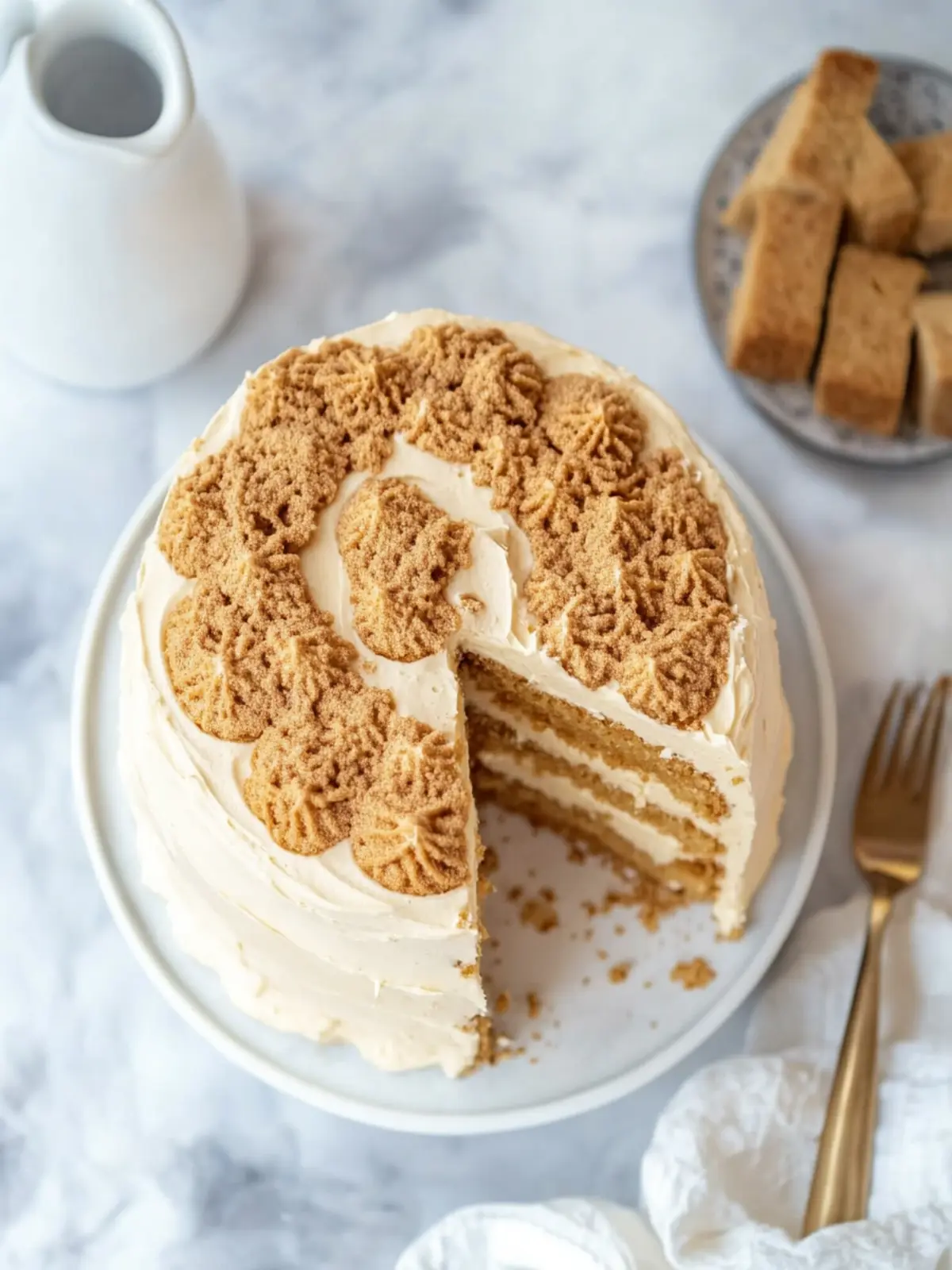
- Preheat your oven to 350°F (175°C) and grease two 9-inch cake pans. Line them with parchment paper for easier release. This takes about 10 minutes.
- Mix dry ingredients: In a medium bowl, sift together 2 cups (250g) all-purpose flour, 2 teaspoons baking powder, and ½ teaspoon salt. Set aside.
- Cream butter and sugar: Using an electric mixer, beat ¾ cup (170g) softened unsalted butter and 1 cup (200g) granulated sugar on medium speed until light and fluffy (about 3-4 minutes). The mixture should look pale and airy.
- Add eggs and vanilla: Beat in 3 large eggs, one at a time, making sure each is fully incorporated before adding the next. Stir in 1 teaspoon pure vanilla extract.
- Incorporate Biscoff spread and sour cream: Gently warm ½ cup (130g) Biscoff spread until pourable (about 15-20 seconds in the microwave). Add the spread and ½ cup (120ml) sour cream to the batter, mixing on low speed until just combined. Avoid overmixing to keep it tender.
- Fold in dry ingredients: Gradually add the flour mixture to the wet ingredients, folding gently with a spatula until no streaks remain. Batter should be thick but pourable.
- Divide batter evenly: Pour batter into the prepared pans, smoothing the tops with a spatula. Tap the pans gently on the counter to release air bubbles.
- Bake: Place pans in the oven and bake for 30-35 minutes, or until a toothpick inserted in the center comes out clean. Cakes should spring back lightly when touched.
- Cool: Let cakes cool in pans for 15 minutes, then transfer to a wire rack to cool completely (about 1 hour). This prevents the caramel layers from melting prematurely.
- Prepare caramel cream: In a bowl, whip 1 cup (240ml) caramel sauce with ½ cup (120ml) heavy cream and 2 tablespoons powdered sugar (optional) until light and fluffy. This usually takes 3-5 minutes with an electric mixer. Taste and adjust sweetness if needed.
- Assemble cake: Place one cake layer on your serving plate. Spread half the caramel cream evenly over the top. Add the second cake layer and cover with remaining caramel cream.
- Garnish: Sprinkle ½ cup Biscoff cookie crumbs and a pinch of flaked sea salt on top for crunch and a flavor pop.
- Chill: Refrigerate for at least 30 minutes to let the layers set before slicing and serving.
If your caramel cream feels too loose, a quick chill in the fridge helps it thicken. Watch for overbaking—the cake should be moist, not dry. I like to prepare the caramel cream while the cakes bake to save time. This recipe pairs well with a cup of coffee or a glass of milk, making the effort totally worth it.
Cooking Tips & Techniques
Getting this decadent Biscoff cake just right means paying attention to a few insider tricks I’ve learned the hard way. First, always bring your eggs and dairy to room temperature before mixing. Cold ingredients can cause the batter to curdle, leading to a dense cake.
When creaming butter and sugar, don’t rush. That fluffy texture traps air, which makes the cake lighter. I once tried skipping this step (honestly, I was in a rush), and the cake turned out disappointingly flat.
Warming the Biscoff spread slightly makes it blend seamlessly, avoiding clumps. For the caramel cream, whip on medium speed until fluffy but don’t overdo it—if you whip too long, it can separate.
Assembling cold cake layers with cool caramel cream helps maintain clean layers without melting. If you prefer, you can bake the cake layers a day ahead and refrigerate them wrapped tightly to save time.
Multitasking tip: While the cakes cool, whip your caramel cream and clean up your workspace. This way, you’re not stuck waiting and can assemble right away.
Variations & Adaptations
This recipe is flexible and forgiving, perfect for customizing to your taste or dietary needs. Here are a few variations I’ve enjoyed:
- Chocolate Biscoff: Add ¼ cup (25g) cocoa powder to the dry ingredients for a chocolatey twist that pairs beautifully with caramel.
- Vegan Adaptation: Use flax eggs (1 tablespoon flaxseed meal + 3 tablespoons water per egg), coconut yogurt instead of sour cream, and coconut cream for the caramel layers. The texture is slightly different but still delicious.
- Seasonal Fruit Addition: Layer thinly sliced apples or pears between cake and caramel cream for a fresh, autumnal note.
- Nutty Crunch: Sprinkle toasted pecans or walnuts on the caramel layers for added texture and a nutty flavor.
For a different approach, I once swapped the heavy cream for mascarpone in the caramel cream, resulting in a richer, tangier layer that was a hit at a dinner party. Also, if you’re curious about other luscious desserts with layered textures, the fudge-swirled Oreo cheesecake cupcakes are a fun experiment in decadence.
Serving & Storage Suggestions
This Biscoff cake tastes best chilled but sliced about 15 minutes before serving to soften slightly. Serve on a pretty plate with a dusting of extra cookie crumbs or a drizzle of warm caramel sauce for show-stopping presentation.
Pairing it with a cup of strong coffee or a light dessert wine balances the sweetness nicely. If you want to keep things casual, a scoop of vanilla ice cream on the side is always a winner.
Store leftover cake tightly wrapped in the refrigerator for up to 4 days. The flavors actually meld and deepen over time, making day-two slices even tastier (if you can wait that long). For longer storage, the cake freezes well for up to 2 months; thaw overnight in the fridge before serving.
Reheat slices gently in a microwave for 15-20 seconds if you prefer a warm caramel touch. Just be careful not to melt the cream layers too much.
Nutritional Information & Benefits
Each slice of this decadent Biscoff cake with creamy caramel layers (assuming 12 servings) contains roughly:
| Nutrient | Amount per Serving |
|---|---|
| Calories | 320 kcal |
| Fat | 18g (mostly from butter and cream) |
| Carbohydrates | 38g (includes sugars from caramel and spread) |
| Protein | 4g |
| Sugar | 25g |
While this dessert is indulgent, the Biscoff spread includes cinnamon and spices that add a subtle antioxidant boost, and using real butter and cream provides satiating fats that help moderate blood sugar spikes compared to processed alternatives. For those watching gluten or dairy, the recipe can be adapted as noted earlier.
Conclusion
This decadent Biscoff cake with creamy caramel layers isn’t just a recipe; it’s a little moment of everyday luxury that anyone can make. It’s forgiving enough for home bakers of all skill levels yet impressive enough to serve at your next gathering. I love how it balances bold, spicy Biscoff flavors with silky caramel cream, creating a texture that’s both rich and light.
Feel free to tweak the caramel sweetness or try adding your favorite nuts or fruits. I’d love to hear about your variations or any tips you’ve learned along the way. Sharing recipes like this is what makes baking feel like a community, not just a solo job. So go ahead, bake your own slice of happiness and let me know how it turns out!
FAQs About Decadent Biscoff Cake with Creamy Caramel Layers
Can I make the caramel sauce from scratch?
Absolutely! Homemade caramel adds a lovely depth. Just cook sugar until amber, then stir in butter and cream carefully. Be cautious of hot sugar—slow and steady wins the race.
How do I prevent the caramel layers from making the cake soggy?
Chilling the cake layers thoroughly before assembling helps. Also, whipping heavy cream into the caramel sauce creates a stable, creamy layer that holds up well.
Can I prepare this cake a day in advance?
Yes! Baking the cake layers ahead and refrigerating them wrapped tightly saves time. Assemble the cake the day you plan to serve for best texture.
Is it possible to freeze the assembled cake?
Freezing the whole cake is tricky due to the cream layers, but you can freeze the cake layers separately and thaw before assembling.
What’s the best way to store leftover cake?
Keep leftovers wrapped tightly in the fridge for up to 4 days. Bringing slices to room temperature before eating enhances flavor and texture.
Pin This Recipe!
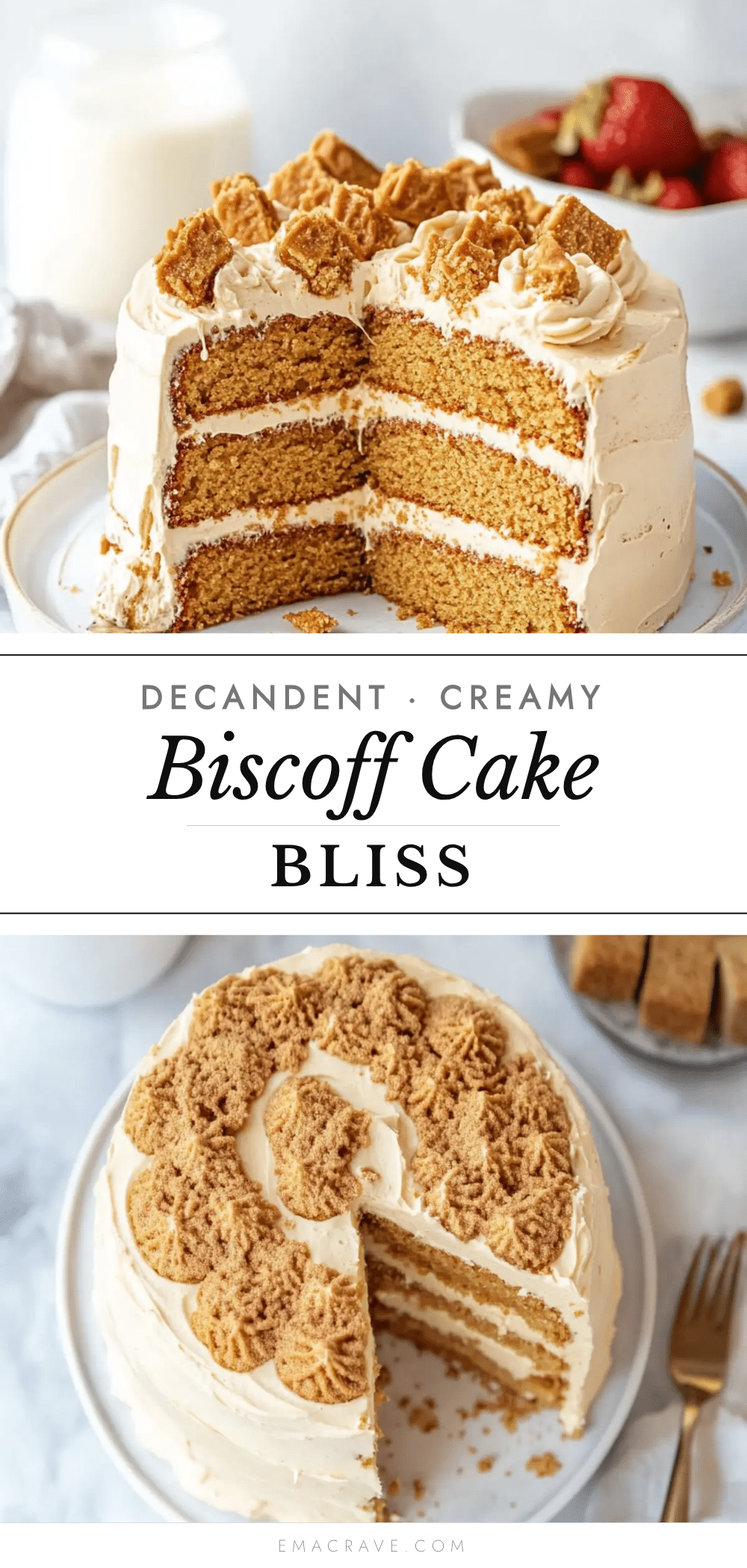
Decadent Biscoff Cake Recipe Easy Homemade Creamy Caramel Layers
A rich and indulgent Biscoff cake layered with creamy caramel, perfect for special occasions or a comforting treat. This easy recipe combines pantry staples to create a moist, velvety cake with luscious caramel layers.
- Prep Time: 20 minutes
- Cook Time: 35 minutes
- Total Time: 1 hour 45 minutes
- Yield: 12 servings 1x
- Category: Dessert
- Cuisine: American
Ingredients
- 2 cups (250g) all-purpose flour, sifted
- 2 teaspoons baking powder
- ½ teaspoon salt
- ¾ cup (170g) unsalted butter, softened
- 1 cup (200g) granulated sugar
- 3 large eggs, room temperature
- 1 teaspoon pure vanilla extract
- ½ cup (120ml) sour cream
- ½ cup (130g) Biscoff spread, gently warmed
- 1 cup (240ml) caramel sauce (homemade or store-bought)
- ½ cup (120ml) heavy cream
- 2 tablespoons powdered sugar (optional)
- ½ cup Biscoff cookie crumbs
- Pinch of flaked sea salt
Instructions
- Preheat your oven to 350°F (175°C) and grease two 9-inch cake pans. Line them with parchment paper.
- In a medium bowl, sift together the flour, baking powder, and salt. Set aside.
- Using an electric mixer, beat the softened butter and granulated sugar on medium speed until light and fluffy, about 3-4 minutes.
- Beat in the eggs one at a time, ensuring each is fully incorporated before adding the next. Stir in vanilla extract.
- Warm the Biscoff spread until pourable (about 15-20 seconds in the microwave). Add the Biscoff spread and sour cream to the batter and mix on low speed until just combined.
- Fold in the dry ingredients gently with a spatula until no streaks remain.
- Divide the batter evenly between the prepared pans and smooth the tops. Tap the pans gently to release air bubbles.
- Bake for 30-35 minutes or until a toothpick inserted in the center comes out clean. Cakes should spring back lightly when touched.
- Let the cakes cool in the pans for 15 minutes, then transfer to a wire rack to cool completely, about 1 hour.
- In a bowl, whip the caramel sauce with heavy cream and powdered sugar (if using) until light and fluffy, about 3-5 minutes.
- Place one cake layer on a serving plate. Spread half the caramel cream evenly over the top.
- Add the second cake layer and cover with the remaining caramel cream.
- Sprinkle Biscoff cookie crumbs and a pinch of flaked sea salt on top.
- Refrigerate the assembled cake for at least 30 minutes before slicing and serving.
Notes
Bring eggs and dairy to room temperature before mixing to avoid curdling. Warm Biscoff spread slightly for easier mixing. Chill cake layers before assembling to prevent sogginess. Whip caramel cream until fluffy but avoid overwhipping to prevent separation. Cake can be baked a day ahead and refrigerated wrapped tightly. For gluten-free option, substitute almond flour; for dairy-free, use coconut cream and vegan butter.
Nutrition
- Serving Size: 1 slice (1/12th of c
- Calories: 320
- Sugar: 25
- Fat: 18
- Carbohydrates: 38
- Protein: 4
Keywords: Biscoff cake, caramel cake, creamy caramel layers, easy cake recipe, homemade dessert, Biscoff spread, caramel sauce, layered cake