Love this? Save it for later!
Share the inspiration with your friends
The first time I made this, I was honestly just trying to use up a half-empty jar of black peppercorns that had been sitting in my pantry for months. You know how it is—you buy whole spices for one specific recipe and then they just kind of hang around, judging you every time you open the cabinet. I had some spaghetti, a bunch of aromatics, and this weird craving for something punchy and savory that wasn’t the usual tomato-based affair. So I grabbed my mortar and pestle, crushed those peppercorns until they were coarse and fragrant, and just started cooking on instinct. The result? My husband walked into the kitchen, stopped mid-sentence, and asked, “What is that smell? It smells like a restaurant.” I knew I was onto something.
This isn’t your typical Italian pasta. It’s not trying to be. This Savory Singapore Black Pepper Sauce Spaghetti Delight is a beautiful, messy hybrid—taking the bold, peppery soul of Singaporean black pepper sauce and draping it over tender spaghetti. It’s the kind of dish that feels fancy enough to serve guests but comes together in the time it takes to boil pasta. The sauce is rich, deeply savory, with that signature heat from the black pepper that lingers just enough to remind you it’s there without overwhelming anything. It clings to every strand of pasta in a way that makes each forkful feel intentional.
I’ve made this maybe a dozen times since that first accidental attempt. I’ve tweaked it, tested it on friends, and even brought it to a potluck where it disappeared before the main course was announced. It’s become one of those recipes I don’t need to look up anymore—I just know it. And honestly? That’s the best kind of recipe to have in your back pocket. So let me walk you through it, because I think you’re going to love this one.
Why You’ll Love This Recipe
Look, I’ve tested a lot of pasta recipes over the years. Some are good, some are forgettable, and then there are the ones that make you want to text your friends about them. This Savory Singapore Black Pepper Sauce Spaghetti Delight falls squarely in that last category. Here’s why it’s earned a permanent spot in my weekly rotation:
- Quick & Easy: From start to finish, this comes together in about 30 minutes. That’s faster than takeout delivery in most cities. Perfect for those nights when you’re staring into the fridge hoping something magical will happen.
- Simple Ingredients: You probably have most of these already. No obscure Asian ingredients that require a special trip. Just good, honest pantry staples that come together in a surprisingly sophisticated way.
- Perfect for Weeknight Dinners: It’s hearty enough to be a main dish but elegant enough to serve if someone drops by unexpectedly. I’ve made it for casual Tuesday dinners and for small dinner parties—it works for both.
- Crowd-Pleaser: Kids, adults, picky eaters—I’ve watched them all go back for seconds. The pepper is warm and aromatic rather than aggressively spicy, so even people who don’t love heat tend to enjoy it.
- Unbelievably Delicious: The sauce is where the magic happens. It’s silky, savory, and packed with layers of flavor from the caramelized aromatics, soy, and that generous crack of black pepper. It’s comfort food with a little bit of an edge.
What makes this recipe different from other black pepper pasta recipes you might find online is the technique. Most versions either use a pre-made sauce or skip the step of properly blooming the pepper. Here, we crush whole peppercorns ourselves and toast them gently in oil before building the sauce—it makes a massive difference in depth of flavor. Trust me, once you try it this way, you won’t go back.
This is the kind of recipe that makes you feel like you’ve accomplished something in the kitchen without actually breaking a sweat. It’s deeply satisfying, a little unexpected, and exactly what you want after a long day when you need something warm and peppery to reset your mood.
What Ingredients You Will Need
This recipe relies on simple, everyday ingredients that work together to create something genuinely special. The beauty of it is in the balance—nothing overpowers, everything complements. Here’s what you’ll need:
For the Pasta
- 8 ounces (225g) dried spaghetti – I prefer a good quality bronze-die spaghetti for better texture, but any long pasta works. Linguine or fettuccine are great substitutes if that’s what you have.
- Salt – For the pasta water. Don’t skimp here—salty pasta water seasons the noodles from the inside out and helps the sauce cling better.
For the Black Pepper Sauce
- 2 tablespoons whole black peppercorns – This is non-negotiable. Pre-ground pepper just doesn’t have the same punch or aromatic complexity. I use Tellicherry peppercorns when I can find them—they’re slightly fruitier and more floral.
- 2 tablespoons unsalted butter – Butter adds richness and helps carry the pepper flavor. You can use salted butter, just reduce the added salt in the recipe.
- 1 tablespoon vegetable oil – A neutral oil prevents the butter from burning while we cook the aromatics. Avocado oil or grapeseed oil work well.
- 4 cloves garlic, minced – Fresh garlic is key here. Pre-minced stuff from a jar just won’t deliver the same punch.
- 1 small shallot, finely diced – Shallots are milder and sweeter than onions, which works beautifully in this sauce. A small yellow onion can substitute in a pinch.
- 1 tablespoon fresh ginger, grated – Ginger adds warmth and a subtle zing that balances the pepper. Use a microplane for best results—it melts right into the sauce.
- 2 tablespoons soy sauce – Use regular all-purpose soy sauce, not the low-sodium kind. We want that deep, salty umami to anchor the sauce. I’m partial to Kikkoman, but any brand works.
- 1 tablespoon dark soy sauce – This adds color and a hint of sweetness. If you don’t have it, substitute with 1 tablespoon regular soy sauce plus 1 teaspoon brown sugar.
- 1 tablespoon oyster sauce – Oyster sauce is what gives this dish its signature savory depth. It’s not fishy at all—just rich and slightly sweet. Lee Kum Kee is my go-to brand.
- 1 teaspoon sugar – Just a pinch to balance the saltiness and round out the sauce. Brown sugar or palm sugar work beautifully too.
- 1/2 cup (120ml) chicken or vegetable broth – Low-sodium is best so you can control the salt level. The broth helps thin the sauce to the perfect coating consistency.
- 1 tablespoon cornstarch mixed with 2 tablespoons water – This slurry thickens the sauce just enough to cling to the pasta without becoming gloppy.
For Garnish
- 2 green onions, sliced – For freshness and color.
- Fresh cilantro (optional) – I love the herbaceous note it adds, but skip it if you’re not a fan.
- Extra cracked black pepper – For that final flourish.
Equipment Needed
You don’t need a professional kitchen to pull this off—just a few basics that you probably already own. Here’s what I use every time:
- Large pot – For boiling the pasta. At least 4 quarts capacity so the noodles have room to move around.
- Large skillet or wok – A 12-inch skillet or a wok is ideal. You need enough surface area to toss the pasta with the sauce without everything spilling over.
- Mortar and pestle or spice grinder – For crushing the peppercorns. A mortar and pestle gives you more control over the texture, but a spice grinder works in seconds. In a pinch, put the peppercorns in a zip-top bag and bash them with a rolling pin—it’s therapeutic, honestly.
- Microplane or fine grater – For grating the ginger. A regular box grater works too, but a microplane makes it effortless and you get that fine, almost paste-like texture.
- Tongs – For tossing the pasta with the sauce. Much easier than trying to stir with a spoon.
- Measuring spoons – Precision matters here, especially with the soy sauce and oyster sauce.
I’ve made this in a cramped college kitchen with a single nonstick pan and a butter knife for crushing pepper. It still turned out great. So don’t stress if you’re missing something—adapt and make it work. That’s what real cooking is about.
Preparation Method
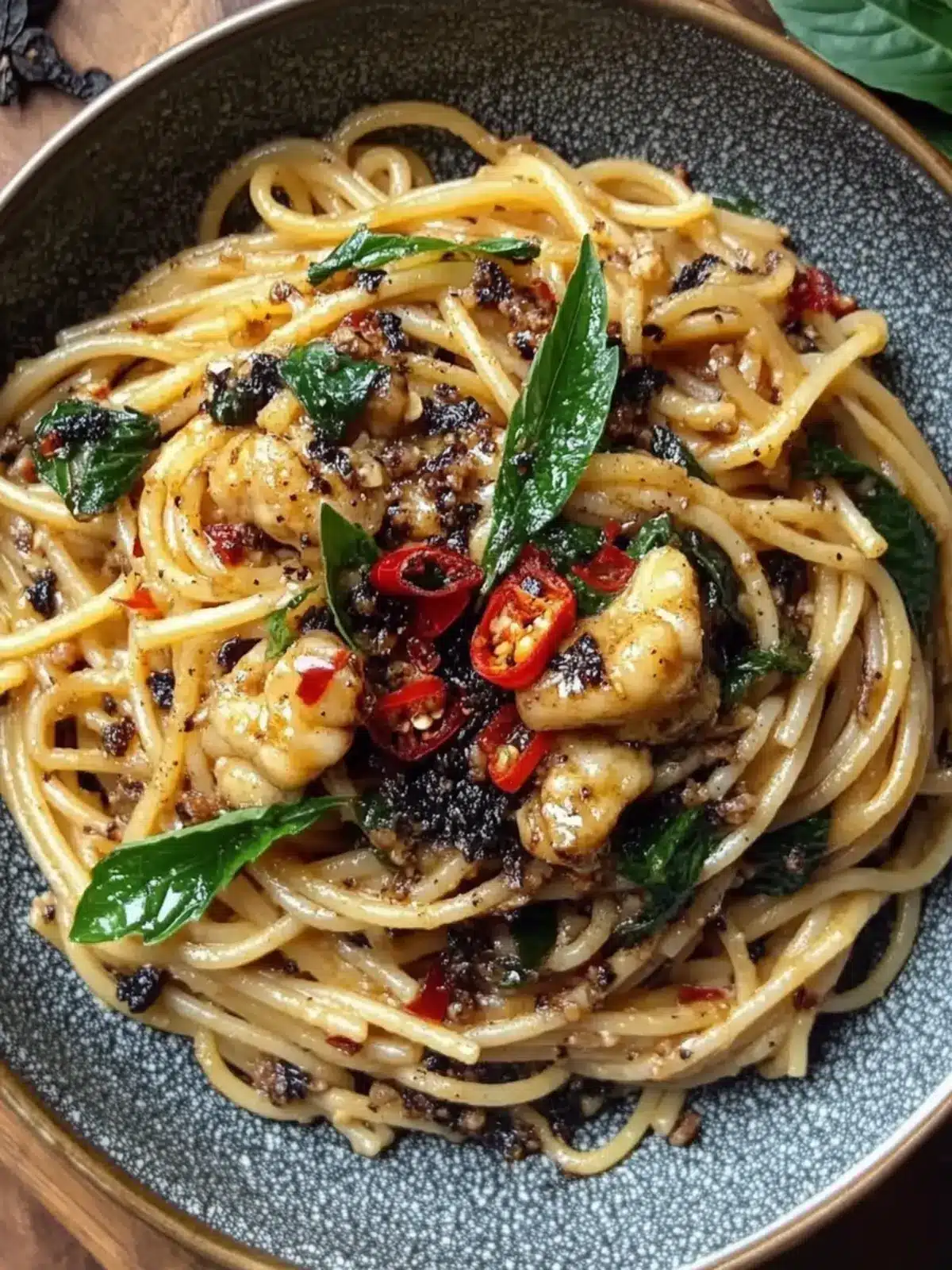
Alright, let’s get cooking. This comes together faster than you think, so I recommend reading through the steps once before you start. Trust me, it makes everything smoother.
- Crush the peppercorns. Place the whole black peppercorns in your mortar and pestle and crush them until they’re coarsely cracked. You want some smaller pieces and some larger chunks—that variety gives the sauce texture and bursts of flavor. Set aside. The smell alone at this point is intoxicating.
- Start the pasta water. Fill your large pot with water—about 4 quarts—and bring it to a rolling boil over high heat. Add a generous tablespoon of salt. The water should taste like the sea. Once boiling, add the spaghetti and cook according to package directions until al dente. I usually start checking a minute before the recommended time—I like my pasta with a little bite. Before draining, reserve about 1 cup of the starchy pasta water. Then drain the spaghetti and set it aside. Don’t rinse it—you want that starch to help the sauce stick.
- Build the sauce base. While the pasta cooks, heat the butter and vegetable oil in your large skillet over medium heat. The oil raises the smoke point of the butter, so you can cook without burning it. Once the butter is melted and sizzling, add the crushed black pepper. Let it toast in the fat for about 30 seconds, stirring constantly. You’ll smell it immediately—warm, floral, almost citrusy. This step is crucial. It wakes up the pepper and releases its essential oils.
- Cook the aromatics. Add the minced garlic, diced shallot, and grated ginger to the pan. Cook for 2 to 3 minutes, stirring frequently, until the shallot is translucent and the garlic is fragrant but not browned. If the garlic starts to brown too quickly, lower the heat. Burnt garlic is bitter and will ruin the sauce.
- Build the sauce. Pour in the soy sauce, dark soy sauce, oyster sauce, and sugar. Stir everything together and let it bubble for about 30 seconds. The sugar will help caramelize the sauce slightly, adding depth. Then pour in the broth and bring the mixture to a gentle simmer. Let it cook for 2 minutes, allowing the flavors to meld.
- Thicken the sauce. Give your cornstarch slurry a quick stir (it settles fast) and pour it into the simmering sauce while stirring constantly. You’ll see the sauce thicken almost immediately—it should coat the back of a spoon. If it seems too thick, add a splash of the reserved pasta water. If it’s too thin, let it simmer another minute or two.
- Combine pasta and sauce. Add the drained spaghetti to the skillet with the sauce. Using tongs, toss everything together gently but thoroughly. The sauce should coat every strand. If the pasta seems dry, add reserved pasta water a tablespoon at a time until it reaches the perfect consistency—silky, not soupy. Taste and adjust seasoning. You might want a pinch more salt or another crack of pepper.
- Finish and serve. Divide the pasta among warm bowls. Top with sliced green onions, fresh cilantro if using, and an extra sprinkle of cracked black pepper. Serve immediately while it’s hot and the sauce is still clinging to every strand.
Cooking Tips & Techniques
I’ve made this recipe enough times to have a few hard-earned lessons. Here are the things I wish someone had told me the first time:
Don’t skip toasting the pepper. This is the single most important step. Raw black pepper is sharp and one-dimensional. Toasted in butter and oil, it becomes warm, fragrant, and almost nutty. The difference is night and day. I learned this the hard way when I once added the pepper straight from the grinder—the sauce was harsh and lacked depth.
Watch your heat. The aromatics—garlic, shallot, ginger—can go from perfect to burnt in about 15 seconds. Keep the heat at medium and stir constantly. If you need to step away from the stove for any reason, just take the pan off the heat. It’s better to pause than to ruin a batch.
Reserve more pasta water than you think you need. I always save a full cup, even though I usually only use a few tablespoons. The starchy water is liquid gold for adjusting sauce consistency. If you run out and your pasta is too dry, you’ll be stuck adding plain water, which dilutes the flavor.
Taste as you go. This sounds obvious, but I see so many people skip it. Soy sauces and oyster sauces vary in saltiness between brands. What’s perfectly seasoned with one brand might be too salty with another. Taste the sauce before you add the pasta, and adjust accordingly. You can always add more soy sauce, but you can’t take it out.
Use a large enough pan. If your skillet is too small, the pasta won’t toss properly and you’ll end up with clumps. When in doubt, use the biggest pan you have. A wok is actually perfect for this—the high sides make tossing easy and keep everything contained.
One of my early attempts at this dish was a disaster because I used a tiny skillet and ended up with half the pasta on the stovetop. Learn from my mistakes, friends.
Variations & Adaptations
This recipe is wonderfully flexible. Here are some ways I’ve adapted it over time, all of which turned out surprisingly well:
Protein-Packed Version: Add sliced chicken, shrimp, or beef. Sear the protein in the pan first, then set it aside while you build the sauce. Toss it back in at the end with the pasta. I’ve done this with leftover savory black pepper beef before, and it was absolutely incredible—the pepper theme ties everything together beautifully.
Vegetarian Adaptation: Swap the oyster sauce for mushroom oyster sauce or hoisin sauce. Use vegetable broth instead of chicken broth. The dish loses a little of that deep umami, but it’s still incredibly satisfying. I’ve also added pan-seared mushrooms to bulk it up—cremini or shiitake work beautifully.
Spice Level Adjustment: If you want more heat, add a sliced red chili (bird’s eye or serrano) along with the aromatics. For a milder version, reduce the black pepper to 1 1/2 tablespoons and remove some of the larger pepper chunks before serving. Kids tend to prefer the milder version—I’ve tested this with my niece and nephew.
Gluten-Free Option: Use gluten-free spaghetti made from rice or corn. The sauce itself is naturally gluten-free if you use tamari instead of soy sauce and a gluten-free oyster sauce. I’ve tried this with brown rice pasta and it worked great—just be careful not to overcook it, as gluten-free pasta can get mushy fast.
Noodle Swap: This sauce is fantastic on udon noodles, thick rice noodles, or even ramen noodles. The texture changes, but the flavor remains just as bold. I’ve made it with fresh udon from the refrigerated section and it was heaven—the thick, chewy noodles caught the sauce in every fold.
Serving & Storage Suggestions
This dish is best served hot, straight from the pan. The sauce is at its silkiest and the pepper aroma is most intoxicating right after cooking. Here’s how I like to serve it:
Presentation: Twirl the spaghetti into neat nests using tongs, then place them in shallow bowls. Sprinkle with green onions and a final crack of black pepper. If you’re feeling fancy, add a few fresh cilantro leaves on top—the green against the dark sauce is gorgeous.
What to Serve With It: This pasta is hearty enough to stand alone, but it pairs beautifully with a simple side. I often serve it with a quick cucumber salad dressed with rice vinegar and sesame oil—the cool crunch balances the warm, peppery pasta. A side of easy zesty green onion kimchi is also fantastic; the tangy, spicy notes complement the black pepper sauce perfectly.
Storage: Leftovers keep well in an airtight container in the refrigerator for up to 3 days. The pasta will absorb some of the sauce as it sits, so it won’t be quite as saucy the next day—but the flavor actually deepens overnight. I’ve been known to eat this cold straight from the fridge, and I’m not ashamed.
Reheating: The best way to reheat is in a skillet over medium-low heat with a splash of water or broth to loosen the sauce. Toss frequently until heated through. The microwave works in a pinch, but the texture won’t be as good. If you’re meal prepping, consider storing the sauce and pasta separately and combining them when reheating—it keeps the texture closer to the original.
Freezing: The sauce freezes beautifully for up to 2 months. Freeze it in a zip-top bag or small container, then thaw overnight in the fridge. Cook fresh pasta and toss with the reheated sauce. I’ve done this multiple times and it tastes just as good as the day I made it.
Nutritional Information & Benefits
Here’s an approximate nutritional breakdown per serving (based on 4 servings):
- Calories: 420-450
- Protein: 12g
- Carbohydrates: 62g
- Fat: 14g
- Fiber: 3g
- Sodium: 780mg (varies based on soy sauce brand)
Health Highlights: Black pepper contains piperine, a compound that may enhance nutrient absorption and has anti-inflammatory properties. Ginger is known for its digestive benefits and anti-nausea effects. Garlic is packed with allicin, which supports immune function. While this isn’t a health food by any stretch, it’s a balanced meal with protein, carbs, and healthy fats that will keep you satisfied.
Dietary Considerations: This recipe can be made gluten-free with simple swaps (see variations). It’s dairy-free if you use oil instead of butter. It contains soy and shellfish (oyster sauce), so those with allergies should take note. The oyster sauce can be replaced with a mushroom-based alternative for a shellfish-free version.
I personally love that this dish feels indulgent without being heavy. It’s the kind of meal that leaves you feeling satisfied but not sluggish—perfect for a weeknight when you need something comforting but don’t want to undo a week of good eating.
Conclusion
This Savory Singapore Black Pepper Sauce Spaghetti Delight has become one of those recipes I genuinely look forward to making. It’s not complicated, it doesn’t require a special trip to an Asian grocery store, and it delivers flavor that feels way bigger than the sum of its parts. Every time I make it, I’m reminded that the best recipes often come from curiosity and a willingness to experiment—and that a simple jar of black peppercorns can be the start of something unexpectedly wonderful.
I’d love for you to try this and make it your own. Add a protein, swap the noodles, crank up the heat—whatever feels right. Cooking should be personal, and this recipe is forgiving enough to handle your twists. If you do make it, come back and let me know how it turned out. Did you add something unexpected? Did your family ask for it again the next night? I genuinely want to hear about it.
Here’s to bold flavors, happy kitchens, and the magic of a really good pepper sauce. Go make some pasta.
Frequently Asked Questions
Can I use pre-ground black pepper instead of whole peppercorns?
You can, but I really don’t recommend it. Pre-ground black pepper has already lost a lot of its volatile oils and aromatic complexity. The texture is also much finer, so you won’t get those lovely bursts of pepper flavor throughout the dish. If you’re in a pinch, use about 1 1/2 tablespoons of pre-ground pepper and add it with the aromatics rather than toasting it first—it burns more easily.
What protein goes best with this pasta?
I’ve tried this with chicken, shrimp, beef, and tofu, and honestly, they’re all great. Shrimp cooks quickly and pairs beautifully with the black pepper. Chicken thighs (boneless, skinless) are my personal favorite—they stay juicy and soak up the sauce well. For a vegetarian option, pan-seared tofu or tempeh works wonderfully. If you want a quick shortcut, leftover quick garlic miso chicken tossed in at the end is a fantastic combination.
How do I make this less spicy for kids?
Easy—just reduce the black pepper to 1 tablespoon and crush it more finely so there are no large chunks. You can also add a splash of heavy cream or coconut milk at the end to mellow out the heat. I’ve served this to my 6-year-old niece using those adjustments and she cleaned her plate. The umami from the soy and oyster sauce still makes it delicious, just without the peppery kick.
Can I make the sauce ahead of time?
Absolutely. The sauce can be made up to 3 days in advance and stored in the refrigerator. Let it cool completely before transferring to an airtight container. When you’re ready to serve, reheat the sauce gently in a skillet, adding a splash of water or broth to loosen it, then toss with freshly cooked pasta. The flavor actually deepens overnight, so this is a great option for meal prep or entertaining.
What’s the best way to crush peppercorns without a mortar and pestle?
If you don’t have a mortar and pestle, a spice grinder or clean coffee grinder works in seconds—just pulse a few times for a coarse texture. No grinder? No problem. Place the peppercorns in a sturdy zip-top bag, remove as much air as possible, and crush them with a rolling pin, heavy skillet, or even the bottom of a sturdy bottle. It takes a bit of elbow grease, but it works. Just be careful not to puncture the bag—I’ve learned that lesson the messy way.
Pin This Recipe!
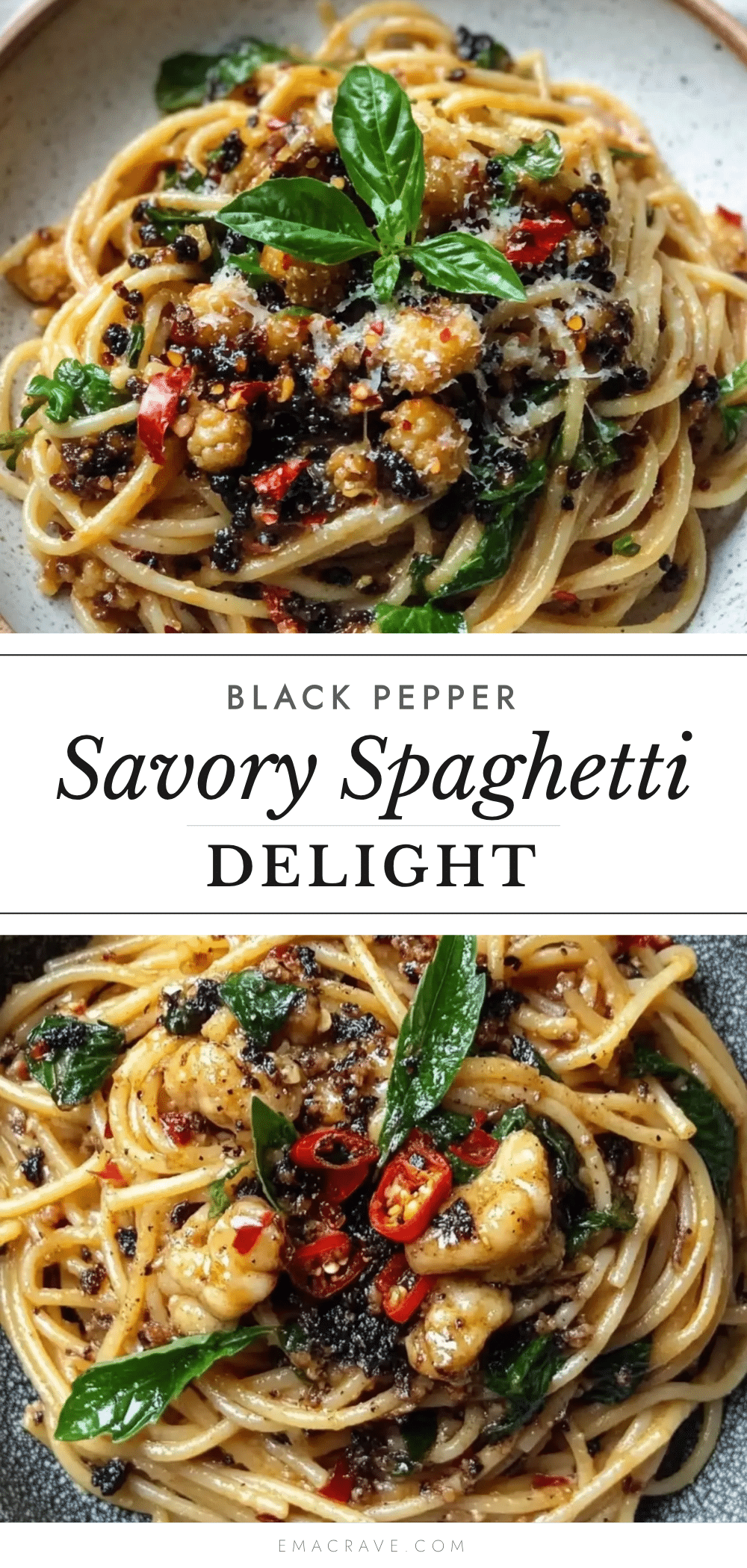
Best Easy Savory Singapore Black Pepper Spaghetti Recipe
This Savory Singapore Black Pepper Sauce Spaghetti Delight is a beautiful, messy hybrid—taking the bold, peppery soul of Singaporean black pepper sauce and draping it over tender spaghetti. It’s quick, easy, and perfect for weeknight dinners.
- Prep Time: 10 minutes
- Cook Time: 20 minutes
- Total Time: 30 minutes
- Yield: 4 servings 1x
- Category: Main Course
- Cuisine: Singaporean
Ingredients
- 8 ounces (225g) dried spaghetti
- Salt (for pasta water)
- 2 tablespoons whole black peppercorns
- 2 tablespoons unsalted butter
- 1 tablespoon vegetable oil
- 4 cloves garlic, minced
- 1 small shallot, finely diced
- 1 tablespoon fresh ginger, grated
- 2 tablespoons soy sauce
- 1 tablespoon dark soy sauce
- 1 tablespoon oyster sauce
- 1 teaspoon sugar
- 1/2 cup (120ml) chicken or vegetable broth (low-sodium)
- 1 tablespoon cornstarch mixed with 2 tablespoons water
- 2 green onions, sliced (for garnish)
- Fresh cilantro (optional, for garnish)
- Extra cracked black pepper (for garnish)
Instructions
- Crush the whole black peppercorns in a mortar and pestle or spice grinder until coarsely cracked. Set aside.
- Fill a large pot with about 4 quarts of water and bring to a rolling boil. Add a generous tablespoon of salt. Cook the spaghetti according to package directions until al dente. Reserve about 1 cup of pasta water before draining. Do not rinse the pasta.
- While the pasta cooks, heat the butter and vegetable oil in a large skillet or wok over medium heat. Add the crushed black pepper and toast for about 30 seconds, stirring constantly.
- Add the minced garlic, diced shallot, and grated ginger. Cook for 2 to 3 minutes, stirring frequently, until the shallot is translucent and the garlic is fragrant but not browned.
- Pour in the soy sauce, dark soy sauce, oyster sauce, and sugar. Stir and let bubble for about 30 seconds. Then add the broth and bring to a gentle simmer. Cook for 2 minutes.
- Stir the cornstarch slurry and pour it into the simmering sauce while stirring constantly. The sauce should thicken and coat the back of a spoon. Adjust consistency with reserved pasta water if needed.
- Add the drained spaghetti to the skillet. Using tongs, toss gently but thoroughly until the sauce coats every strand. Add reserved pasta water a tablespoon at a time if the pasta seems dry.
- Divide among warm bowls. Garnish with sliced green onions, fresh cilantro (if using), and an extra sprinkle of cracked black pepper. Serve immediately.
Notes
Don’t skip toasting the pepper—it releases essential oils and deepens flavor. Reserve more pasta water than you think you need. Taste the sauce before adding pasta to adjust seasoning. Use a large enough pan to toss pasta easily.
Nutrition
- Serving Size: 1 serving
- Calories: 420450
- Sugar: 4
- Sodium: 780
- Fat: 14
- Saturated Fat: 5
- Carbohydrates: 62
- Fiber: 3
- Protein: 12
Keywords: Singapore black pepper spaghetti, black pepper pasta, easy weeknight dinner, Asian pasta, savory spaghetti