Love this? Save it for later!
Share the inspiration with your friends
I was standing in my kitchen, staring at a half-empty jar of gochujang that had been taking up space in my fridge door for weeks. I bought it on a whim after a particularly good takeout order, used a spoonful in some stir-fry, and then promptly forgot about it. That night, I was tired, hungry, and completely uninspired by the usual pasta-or-salad dilemma. I wanted something fast, but I also wanted something that felt like more than just fuel. I grabbed the gochujang, a block of firm tofu, and a sad-looking bunch of scallions. And honestly? That messy, impromptu bowl turned out to be one of the best things I’d eaten all month.
The sweetness of the gochujang glaze hits first, then that slow, warm kick of heat builds right behind it. It’s not the kind of spicy that makes you sweat—it’s the kind that makes you take another bite before you’ve even swallowed the last one. I topped it with whatever I had: quick-pickled cucumbers, leftover rice, a sprinkle of sesame seeds. It was simple, but it felt special. I texted my friend a photo and said, “Why have I not been putting this on everything?” Her response was immediate: “Recipe. Now.”
This gochujang rice bowl became my weeknight anchor after that. It’s forgiving, flexible, and deeply satisfying. The glaze is the star—sticky, savory, just sweet enough, with that unmistakable fermented depth that makes Korean cooking so addictive. I’ve made it with chicken, with tofu, with whatever vegetables are wilting in my crisper drawer. It always works. And that’s the kind of recipe I actually want to share: the one that saved dinner when I had nothing planned.
Why You’ll Love This Recipe
I’ve tested this gochujang rice bowl about a dozen times now, tweaking the glaze ratios, swapping proteins, and even trying it cold the next day (spoiler: still delicious). Here’s why I keep coming back to it—and why I think you will too.
- Quick & Easy: From start to finish, this bowl comes together in about 25 minutes. The glaze takes five minutes to whisk together. The protein cooks in under 15. You’re eating before you know it.
- Simple Ingredients: No obscure grocery store hunts here. Gochujang is widely available now (I find mine at the regular supermarket), and the rest is pantry stuff: soy sauce, rice vinegar, sesame oil, garlic, and a little sugar or honey.
- Perfect for Meal Prep: Make a batch of the glaze and cook your protein ahead of time. Assemble bowls throughout the week for lunches that actually taste exciting.
- Crowd-Pleaser: I’ve served this to spice-wary friends and heat-seekers alike. The glaze is balanced—sweet, savory, mildly spicy—so it wins over almost everyone.
- Unbelievably Delicious: The texture combo alone is worth it. Sticky glazed protein over fluffy rice, with crunchy veggies and a soft egg if you want. It’s comfort food with a Korean twist.
What makes this version different from other rice bowls is the glaze technique. Instead of just brushing gochujang onto the protein, I create a thickened, glossy sauce that clings to every bite. It’s the difference between a good bowl and a memorable one. And honestly? This is the kind of meal that makes you look forward to leftovers.
What Ingredients You Will Need
This recipe uses simple, accessible ingredients to build layers of flavor without any fuss. Most of these are pantry staples in my kitchen now, and I bet you already have many of them on hand.
For the Gochujang Glaze
- Gochujang (Korean chili paste): 3 tablespoons. This is the heart of the dish. It’s fermented, slightly sweet, and moderately spicy. I prefer the brand Chung Jung One for its balanced flavor.
- Soy sauce: 2 tablespoons. Use low-sodium if you’re watching salt. It adds umami and depth.
- Rice vinegar: 1 tablespoon. Brightens the glaze and cuts through the richness.
- Sesame oil: 1 tablespoon. Toasted kind. Adds that nutty, aromatic finish.
- Honey or brown sugar: 1 tablespoon. Balances the heat and helps the glaze caramelize.
- Garlic: 3 cloves, minced. Fresh is best here—don’t use the jarred stuff if you can help it.
- Grated ginger: 1 teaspoon. Adds warmth and a little zing. I keep a knob in the freezer for easy grating.
For the Bowl Base
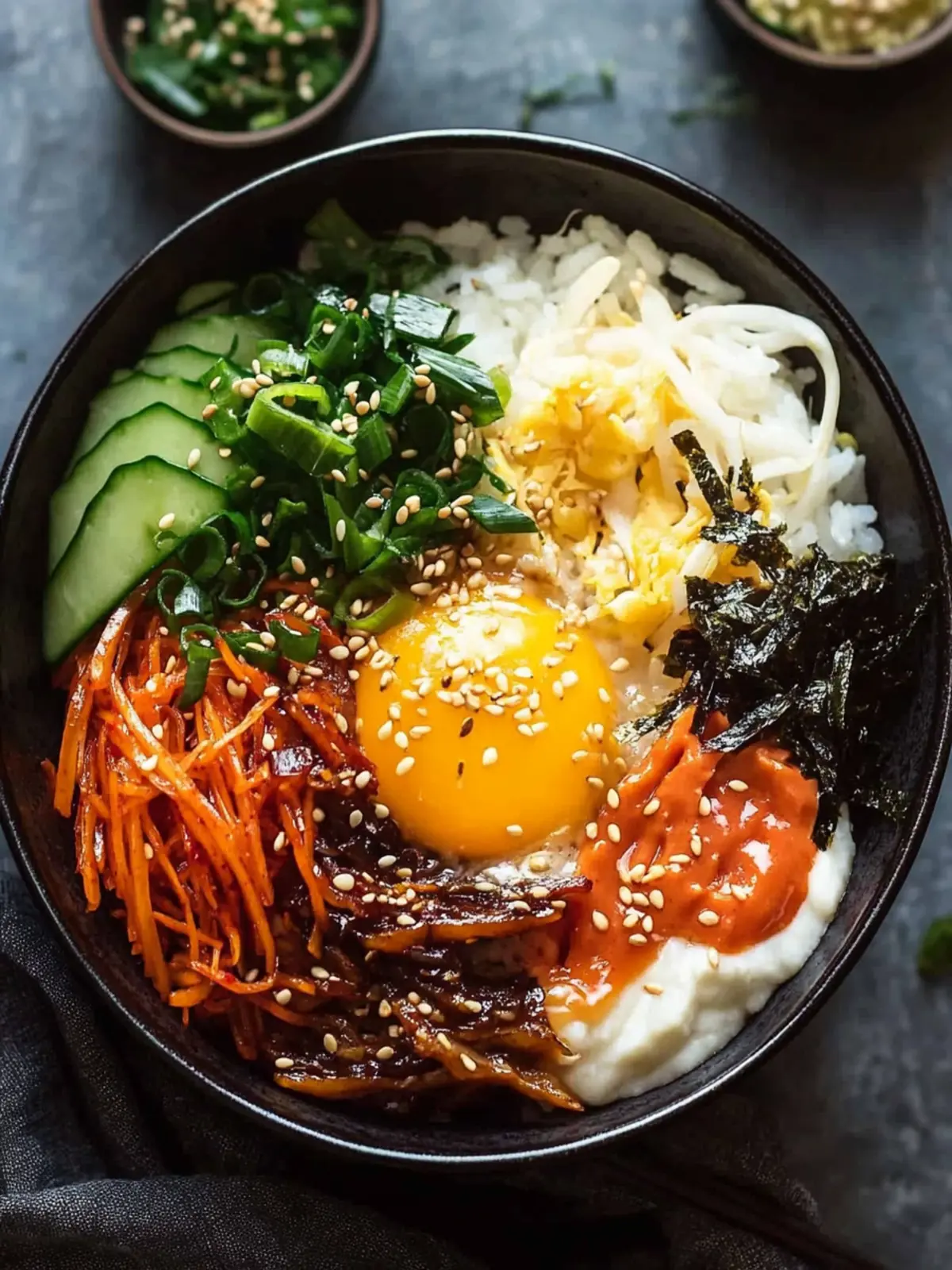
- Cooked rice: 2 cups. Short-grain white rice is traditional, but brown rice or jasmine works beautifully too.
- Protein of choice: 1 pound. I’ve used boneless chicken thighs, firm tofu, or even ground beef. Each works differently, all are good.
- Vegetable oil: 1 tablespoon. For cooking the protein. Avocado or grapeseed oil is great here.
For Toppings (Mix and Match)
- Cucumber: 1, thinly sliced. Adds freshness and crunch.
- Carrot: 1, julienned or grated.
- Scallions: 3, sliced on the diagonal.
- Sesame seeds: 1 tablespoon, toasted.
- Kimchi: Optional, but highly recommended. I love adding a spoonful of my easy zesty green onion kimchi for an extra fermented kick.
- Fried egg: Optional. The runny yolk mixing into the rice is pure magic.
Substitution Tips: For a gluten-free version, use tamari instead of soy sauce. If you can’t find gochujang, try mixing sriracha with a little miso paste—it won’t be identical, but it’ll be tasty. For a lower-carb option, serve over cauliflower rice or a bed of leafy greens.
Equipment Needed
You don’t need much for this bowl, which is part of the appeal. Here’s what I use:
- Small mixing bowl: For whisking the glaze together. Any small bowl works.
- Whisk or fork: To combine the glaze ingredients smoothly.
- Large skillet or non-stick pan: For cooking the protein and simmering the glaze. A 10-inch skillet is perfect.
- Sharp knife and cutting board: For prepping vegetables and protein.
- Rice cooker or saucepan: For cooking the rice. I use a rice cooker because it’s hands-off, but a pot with a tight lid works fine.
- Spatula or tongs: For flipping and coating the protein.
If you don’t have a rice cooker, no worries. Just rinse your rice, add water (1:1.5 ratio for white rice), bring to a boil, cover, and simmer for 15 minutes. Let it rest for 5 minutes off heat before fluffing. I’ve ruined plenty of pots of rice by lifting the lid too early—trust the process!
Preparation Method
Let’s get cooking. This method is straightforward, but I’ve added a few notes from my own trial-and-error moments so you can skip the learning curve.
- Make the glaze: In a small bowl, whisk together 3 tablespoons gochujang, 2 tablespoons soy sauce, 1 tablespoon rice vinegar, 1 tablespoon sesame oil, 1 tablespoon honey (or brown sugar), 3 minced garlic cloves, and 1 teaspoon grated ginger. Set aside. The mixture should be smooth and slightly thick. Taste it—if you want more heat, add another half-tablespoon of gochujang.
- Cook the rice: If you haven’t already, cook your rice according to package directions. For 2 cups of cooked rice, I usually start with about ¾ cup uncooked short-grain rice and 1 cup water. Let it rest covered while you prepare everything else.
- Prep your protein: If using chicken thighs, pat them dry and season lightly with salt and pepper. If using tofu, press it for 10 minutes (wrap in a clean towel and place a heavy pan on top), then cut into ½-inch slabs or cubes. If using ground beef, no prep needed beyond having it ready.
- Cook the protein: Heat 1 tablespoon vegetable oil in a large skillet over medium-high heat. Add your protein in a single layer. For chicken thighs, cook 5-6 minutes per side until golden and cooked through (internal temp 165°F). For tofu, cook 4-5 minutes per side until crisp and browned. For ground beef, cook 5-7 minutes, breaking it up with a spatula, until browned and cooked through.
- Glaze it: Reduce the heat to medium-low. Pour the prepared gochujang glaze over the cooked protein. Toss or flip to coat evenly. Let it simmer for 2-3 minutes, stirring occasionally, until the glaze thickens and becomes sticky. It should cling to the protein like a glossy coat. If it gets too thick, add a tablespoon of water to loosen it.
- Assemble the bowls: Divide the cooked rice between serving bowls. Top with the glazed protein. Arrange your toppings—cucumber slices, julienned carrot, scallions, sesame seeds, and a spoonful of kimchi if using. If you’re adding a fried egg, cook it in a separate pan (sunny-side up is my go-to) and place it on top.
- Serve immediately: The bowl is best enjoyed hot, when the glaze is still sticky and the rice is warm. Give everything a gentle stir before eating to distribute the flavors.
Sensory cues: When the glaze simmers, you’ll smell the fermented sweetness of the gochujang mingling with toasted sesame and garlic. The sauce should bubble gently and look glossy, not watery. The protein should look lacquered, almost candied. When you take a bite, the glaze should coat your tongue with a hit of savory-sweet heat, followed by the cool crunch of fresh vegetables.
Cooking Tips & Techniques
I’ve made this gochujang rice bowl enough times to know where things can go sideways. Here’s what I’ve learned the hard way.
Don’t burn the garlic. The glaze has minced garlic in it, and if you cook it over high heat, it’ll turn bitter fast. Keep the heat at medium-low when you simmer the glaze. Trust me, I’ve ruined a batch by getting impatient and cranking the heat. The result was a burnt, acrid mess that went straight in the trash.
Pat your protein dry. Wet protein won’t brown properly. Whether you’re using chicken, tofu, or beef, take the extra 30 seconds to blot it with paper towels. That golden-brown crust is worth it.
Toast your sesame seeds. This is a tiny step that makes a big difference. Raw sesame seeds are bland. Toast them in a dry pan over medium heat for about 2 minutes, shaking frequently, until they’re fragrant and lightly golden. Sprinkle them on top right before serving.
Make extra glaze. The recipe makes enough for one batch, but I often double it. The extra keeps in the fridge for up to a week and is amazing on roasted vegetables, grilled meats, or even as a dipping sauce for crispy Korean zucchini fritters.
Timing is everything. Start your rice first, then prep your toppings while it cooks. Cook the protein while the rice rests. By the time the protein is glazed and ready, the rice will be perfectly fluffy. This flow saves you about 10 minutes of scrambling.
Variations & Adaptations
One of the best things about this bowl is how flexible it is. Here are some variations I’ve tried and loved.
Vegetarian/Vegan: Use extra-firm tofu or tempeh instead of chicken. For the glaze, swap honey with maple syrup or agave. Add more vegetables like roasted sweet potato, sautéed spinach, or edamame for extra bulk. I’ve made this with Vietnamese braised tofu as the protein base and it was incredible—the flavors meld beautifully.
Spicy Upgrade: Add 1 teaspoon of gochugaru (Korean chili flakes) to the glaze, or drizzle with sriracha before serving. For extra heat, top with sliced fresh chili peppers like serrano or bird’s eye.
Low-Carb/Keto: Skip the rice and serve the glazed protein over a bed of mixed greens, cauliflower rice, or zucchini noodles. The glaze itself is relatively low in carbs (about 5g per serving), so it fits into most low-carb plans.
Seafood Version: Swap the protein for shrimp or salmon. Cook shrimp for 2-3 minutes per side, salmon for 4-5 minutes per side, then glaze as directed. The sweet-spicy glaze pairs beautifully with the richness of salmon.
My Favorite Personal Variation: I once added a handful of quick pickled onions on top, and it was a game-changer. The acidity cuts through the richness of the glaze and adds a bright, tangy pop. I now make a batch of pickled onions just to have on hand for these bowls.
Serving & Storage Suggestions
This bowl is best served immediately, but it’s also surprisingly good the next day. Here’s how to handle both scenarios.
Serving: Serve the bowl hot, with the glazed protein right on top of the rice. Arrange your toppings in little piles for a visually appealing presentation. A fried egg on top is optional but highly recommended—the runny yolk creates a built-in sauce that coats everything. Pair it with a side of kimchi or a simple cucumber salad for extra crunch.
Storage: Store components separately if possible. Keep the rice in an airtight container in the fridge for up to 4 days. Store the glazed protein separately for up to 3 days. Toppings like cucumber and scallions are best fresh, but you can prep them a day ahead and store them in separate containers.
Reheating: Reheat the protein in a skillet over medium heat with a splash of water to revive the glaze. Microwave the rice with a damp paper towel on top to restore moisture. Avoid reheating the whole assembled bowl—the fresh toppings will get sad and soggy.
Flavor Development: The glaze actually gets better after a day in the fridge. The flavors meld and deepen. I’ve eaten this for lunch the next day cold (straight from the fridge) and enjoyed it just as much as the hot version. It’s like a deconstructed bibimbap situation.
Nutritional Information & Benefits
These values are estimates based on one serving (using chicken thighs and white rice, without egg or extra toppings).
- Calories: ~520
- Protein: 35g
- Fat: 18g
- Carbohydrates: 55g
- Fiber: 3g
- Sugar: 10g
Gochujang is made from fermented soybeans and chili peppers, which means it contains probiotics that support gut health. It’s also rich in capsaicin, the compound that gives chili peppers their heat and has been linked to boosting metabolism. The rice provides steady energy, while the protein keeps you full. If you add vegetables like cucumber and carrot, you’re getting a solid dose of vitamins A and C. This bowl is naturally dairy-free and can easily be made gluten-free or vegan. It’s a balanced meal that doesn’t sacrifice flavor for nutrition.
Conclusion
This gochujang rice bowl has become my go-to answer for the “what’s for dinner?” question when I want something fast, flavorful, and deeply satisfying. It’s the kind of recipe that feels both effortless and impressive—like you spent way more time on it than you actually did. The glaze is the star, but the real magic is how customizable it is. Use whatever protein you have, pile on whatever vegetables are in your fridge, and make it your own.
I’d love to hear how you make this bowl your own. Did you add a fried egg? Swap in shrimp? Load it up with extra kimchi? Drop a comment below and let me know. And if you share a photo on social media, tag me—I genuinely love seeing these bowls come to life in other kitchens. Until next time, happy cooking, and don’t be shy with that gochujang.
Frequently Asked Questions
Can I make this gochujang rice bowl ahead of time?
Yes! Store the glazed protein and rice separately in the fridge for up to 3 days. Assemble fresh toppings when you’re ready to eat. Reheat the protein in a skillet with a splash of water to revive the glaze.
Is gochujang very spicy?
Gochujang has a mild to moderate heat level. It’s more savory and sweet than intensely spicy. If you’re sensitive to heat, start with 2 tablespoons instead of 3. You can always add more later.
What can I use instead of gochujang?
If you can’t find gochujang, mix 2 tablespoons of sriracha with 1 tablespoon of miso paste and a teaspoon of sugar. It won’t be identical, but it’ll give you a similar sweet-spicy-savory profile.
Can I use frozen vegetables for the toppings?
Fresh vegetables are best for the crunchy, raw toppings. But you can use thawed frozen edamame or steamed frozen broccoli as an addition. Just don’t expect the same fresh crunch.
How do I make this bowl gluten-free?
Use tamari or coconut aminos instead of soy sauce. Ensure your gochujang is labeled gluten-free (some brands contain wheat). Most major brands like Chung Jung One are gluten-free, but always check the label.
Pin This Recipe!
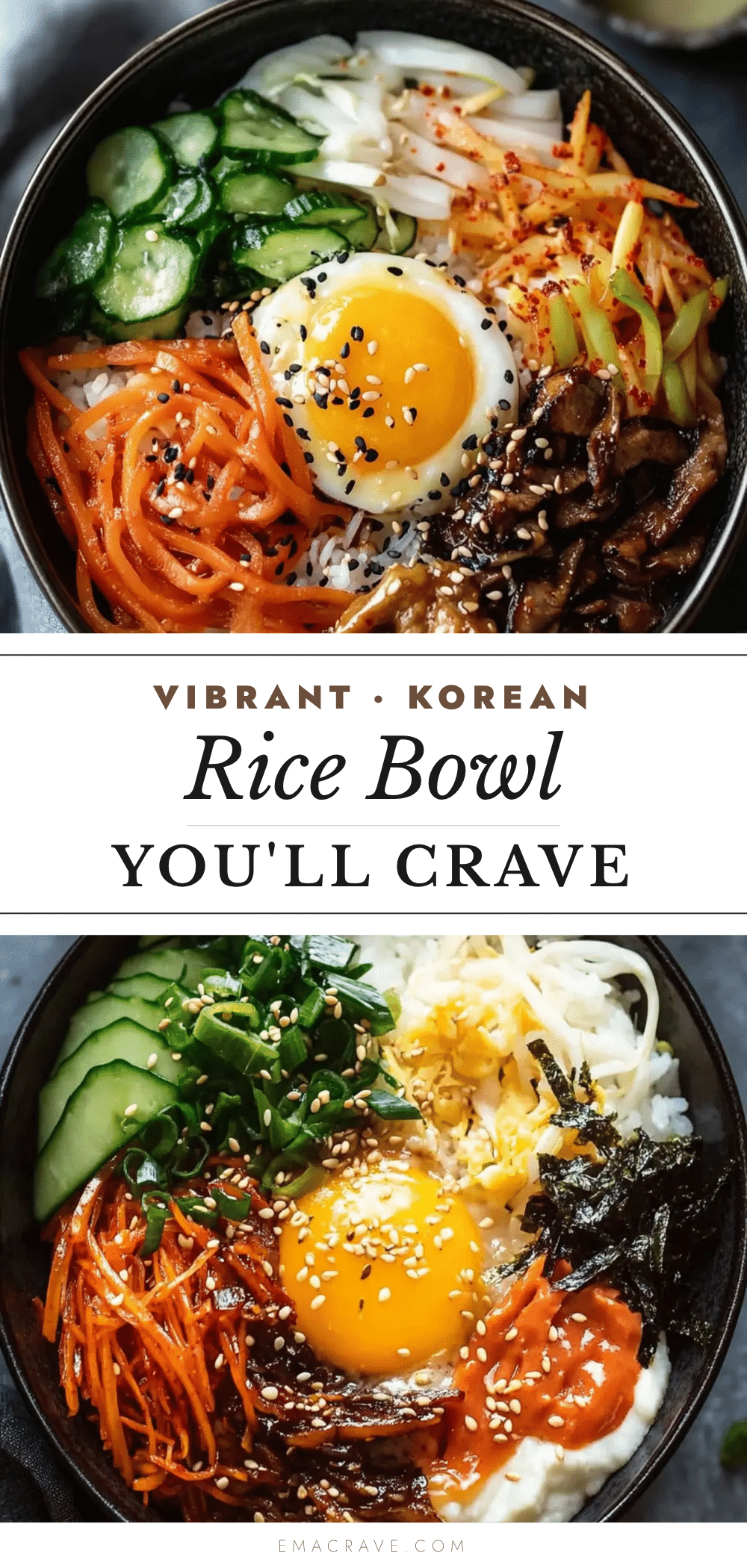
Best Easy Gochujang Rice Bowl Recipe – Flavorful Korean Bowl
A quick and easy gochujang rice bowl with a sticky, sweet-spicy glaze that clings to your protein of choice. Perfect for busy weeknights, this customizable bowl comes together in about 25 minutes and is great for meal prep.
- Prep Time: 10 minutes
- Cook Time: 15 minutes
- Total Time: 25 minutes
- Yield: 4 servings 1x
- Category: Main Course
- Cuisine: Korean
Ingredients
- 3 tablespoons gochujang (Korean chili paste)
- 2 tablespoons soy sauce (low-sodium if desired)
- 1 tablespoon rice vinegar
- 1 tablespoon toasted sesame oil
- 1 tablespoon honey or brown sugar
- 3 cloves garlic, minced
- 1 teaspoon grated ginger
- 2 cups cooked rice (short-grain white, brown, or jasmine)
- 1 pound protein of choice (boneless chicken thighs, firm tofu, or ground beef)
- 1 tablespoon vegetable oil (avocado or grapeseed)
- 1 cucumber, thinly sliced
- 1 carrot, julienned or grated
- 3 scallions, sliced on the diagonal
- 1 tablespoon sesame seeds, toasted
- Kimchi (optional, for serving)
- Fried egg (optional, for serving)
Instructions
- Make the glaze: In a small bowl, whisk together gochujang, soy sauce, rice vinegar, sesame oil, honey (or brown sugar), minced garlic, and grated ginger. Set aside.
- Cook the rice according to package directions. For 2 cups cooked rice, start with about ¾ cup uncooked short-grain rice and 1 cup water. Let it rest covered while you prepare everything else.
- Prep your protein: If using chicken thighs, pat dry and season lightly with salt and pepper. If using tofu, press for 10 minutes (wrap in a clean towel and place a heavy pan on top), then cut into ½-inch slabs or cubes. If using ground beef, no prep needed.
- Cook the protein: Heat 1 tablespoon vegetable oil in a large skillet over medium-high heat. Add protein in a single layer. For chicken thighs, cook 5-6 minutes per side until golden and cooked through (internal temp 165°F). For tofu, cook 4-5 minutes per side until crisp and browned. For ground beef, cook 5-7 minutes, breaking it up with a spatula, until browned and cooked through.
- Glaze it: Reduce heat to medium-low. Pour the prepared gochujang glaze over the cooked protein. Toss or flip to coat evenly. Let it simmer for 2-3 minutes, stirring occasionally, until the glaze thickens and becomes sticky. If it gets too thick, add a tablespoon of water to loosen it.
- Assemble the bowls: Divide cooked rice between serving bowls. Top with glazed protein. Arrange toppings—cucumber slices, julienned carrot, scallions, sesame seeds, and a spoonful of kimchi if using. If adding a fried egg, cook it in a separate pan (sunny-side up) and place on top.
- Serve immediately. Give everything a gentle stir before eating to distribute the flavors.
Notes
Don’t burn the garlic—keep heat at medium-low when simmering the glaze. Pat protein dry for better browning. Toast sesame seeds for extra flavor. Make extra glaze to keep in the fridge for up to a week. For gluten-free, use tamari instead of soy sauce. For vegan, use maple syrup instead of honey and tofu or tempeh.
Nutrition
- Serving Size: 1 bowl
- Calories: 520
- Sugar: 10
- Sodium: 800
- Fat: 18
- Saturated Fat: 3
- Carbohydrates: 55
- Fiber: 3
- Protein: 35
Keywords: gochujang rice bowl, Korean rice bowl, easy weeknight dinner, spicy rice bowl, gochujang glaze, Korean bowl recipe