Love this? Save it for later!
Share the inspiration with your friends
I was standing in my kitchen at 7:15 on a Tuesday morning, staring at a half-empty container of ricotta cheese that was about to expire. The fridge held blueberries that were starting to wrinkle, a sad lemon rolling around in the crisper drawer, and absolutely no plan for breakfast. My coffee was getting cold, and I had that familiar feeling of wanting something bakery-quality without actually going to a bakery. That is when the idea hit me—what if I combined the ricotta with the blueberries and turned them into scones?
Honestly, I was skeptical at first. Ricotta in scones felt like a risk. Would they turn out dense? Would the cheese make them savory instead of sweet? But I had nothing to lose except some soon-to-expire dairy, so I grabbed my mixing bowl and started experimenting. Twenty-five minutes later, I pulled a tray of golden, craggy scones out of the oven, and the smell alone made me forgive myself for almost tossing that ricotta in the trash.
The first bite was a revelation. These were not dry, crumbly scones that sucked all the moisture out of your mouth. They were impossibly tender, almost creamy on the inside, with bursts of jammy blueberries in every bite. I drizzled a quick lemon glaze over the top while they were still warm, watching it melt into the cracks and crevices. My kitchen smelled like a fancy café, and I had not even put on real pants yet. That morning, these fluffy blueberry ricotta scones with lemon glaze became my new favorite thing, and I have been making them on repeat ever since.
Why You Will Love This Recipe
Let me tell you why these scones are different from every other scone recipe you have tried. I have tested this recipe at least seven times, tweaking the ratio of ricotta to butter, adjusting the baking temperature, and even trying different brands of ricotta to find what works best. The result is a scone that is genuinely fluffy, not dense or dry, with a tender crumb that practically melts in your mouth.
- Quick & Easy: These come together in under 30 minutes, start to finish. No chilling the dough, no complicated folding techniques—just mix, shape, bake, and glaze.
- Simple Ingredients: You probably have most of these in your kitchen right now. The ricotta is the star, and it does all the heavy lifting for texture and moisture.
- Perfect for Breakfast or Brunch: These scones feel fancy enough for a weekend brunch spread but are easy enough for a Tuesday morning treat. They also freeze beautifully, so you can make a batch and pull them out whenever the craving hits.
- Crowd-Pleaser: I brought these to a friend’s brunch last weekend, and three people asked for the recipe before I even finished my coffee. Kids love them, adults love them, and even people who claim they do not like scones have been converted.
- Unbelievably Delicious: The combination of creamy ricotta, juicy blueberries, and bright lemon glaze is next-level comfort food. The tanginess of the ricotta balances the sweetness perfectly, and the lemon cuts through the richness like a dream.
What makes this recipe special is the ricotta itself. Unlike traditional scones that rely on cold butter for flakiness, these scones use ricotta to create a soft, almost cake-like texture that stays moist for days. I have tried making scones with heavy cream, buttermilk, and yogurt, and nothing compares to the tenderness that ricotta brings. It is the secret ingredient that makes these scones stand out from every other blueberry scone recipe out there.
These are the kind of scones that make you close your eyes after the first bite. They are comfort food reimagined—lighter, softer, and somehow more satisfying than the classic version. Perfect for impressing guests without stress, or turning a quiet morning into something memorable.
What Ingredients You Will Need
This recipe uses simple, wholesome ingredients to deliver bold flavor and satisfying texture without the fuss. Most of these are pantry staples, and the ricotta is the only ingredient you might need to pick up specifically.
For the Scones:
- 2 cups all-purpose flour (250g) — Spoon and level for accuracy; too much flour makes dense scones.
- 1/2 cup granulated sugar (100g) — Adds just enough sweetness without overpowering the fruit.
- 1 tablespoon baking powder — Fresh baking powder is crucial here; check your expiration date.
- 1/2 teaspoon salt — Balances the sweetness and enhances the flavor of the ricotta.
- 6 tablespoons cold unsalted butter (85g), cubed — Keep it cold for the best texture; I pop mine in the freezer for 10 minutes before cutting.
- 3/4 cup whole milk ricotta cheese (180g) — Full-fat ricotta is best for moisture and richness. I prefer Galbani or Whole Foods 365 brand for consistent texture.
- 1/3 cup heavy cream (80ml) — Adds richness and helps bind the dough. You can substitute half-and-half in a pinch.
- 1 teaspoon vanilla extract — Pure vanilla, not imitation, for the best flavor.
- 1 cup fresh or frozen blueberries (150g) — If using frozen, do not thaw them first. Toss them in a tablespoon of flour to prevent bleeding.
- Zest of 1 lemon — Adds brightness and complements the blueberries beautifully.
For the Lemon Glaze:
- 1 cup powdered sugar (120g), sifted — Sifting prevents lumps in the glaze.
- 2 to 3 tablespoons fresh lemon juice — Use freshly squeezed juice, not bottled, for the brightest flavor.
- 1/2 teaspoon vanilla extract (optional) — Adds a subtle warmth to the glaze.
A few notes on ingredients: If you want a gluten-free version, use a 1:1 gluten-free baking flour blend (I like King Arthur Measure for Measure). For a dairy-free option, use a high-quality dairy-free ricotta and substitute the heavy cream with full-fat coconut cream. The texture will be slightly different but still delicious.
When choosing blueberries, look for ones that are firm and not mushy. If using frozen blueberries, do not thaw them—add them straight to the dough to prevent them from turning the scones purple. I learned this the hard way after making a batch of grayish-blue scones that tasted fine but looked sad.
Equipment Needed
You do not need any fancy equipment for these scones, which is part of why I love this recipe so much. Here is what you will need:
- Large mixing bowl — For combining dry ingredients and cutting in the butter.
- Pastry cutter or two forks — To cut the butter into the flour. If you do not have a pastry cutter, your fingers work too, just work quickly so the butter does not warm up.
- Baking sheet — Line it with parchment paper for easy cleanup. I use a half-sheet pan for these.
- Parchment paper — Non-negotiable for preventing sticking and ensuring even browning.
- Bench scraper or sharp knife — For cutting the dough into wedges. A bench scraper gives cleaner cuts.
- Pastry brush — For brushing the tops with cream before baking (optional but recommended for a golden crust).
- Cooling rack — Allows air to circulate around the scones so they do not get soggy on the bottom.
- Small bowl and whisk — For making the glaze.
If you do not have a pastry cutter, do not worry. I have used two butter knives in a pinch, and it works fine. The key is keeping the butter cold, not the tool you use to cut it. Also, if you have a food processor, you can pulse the dry ingredients and butter together in a few seconds, but be careful not to overmix.
Preparation Method
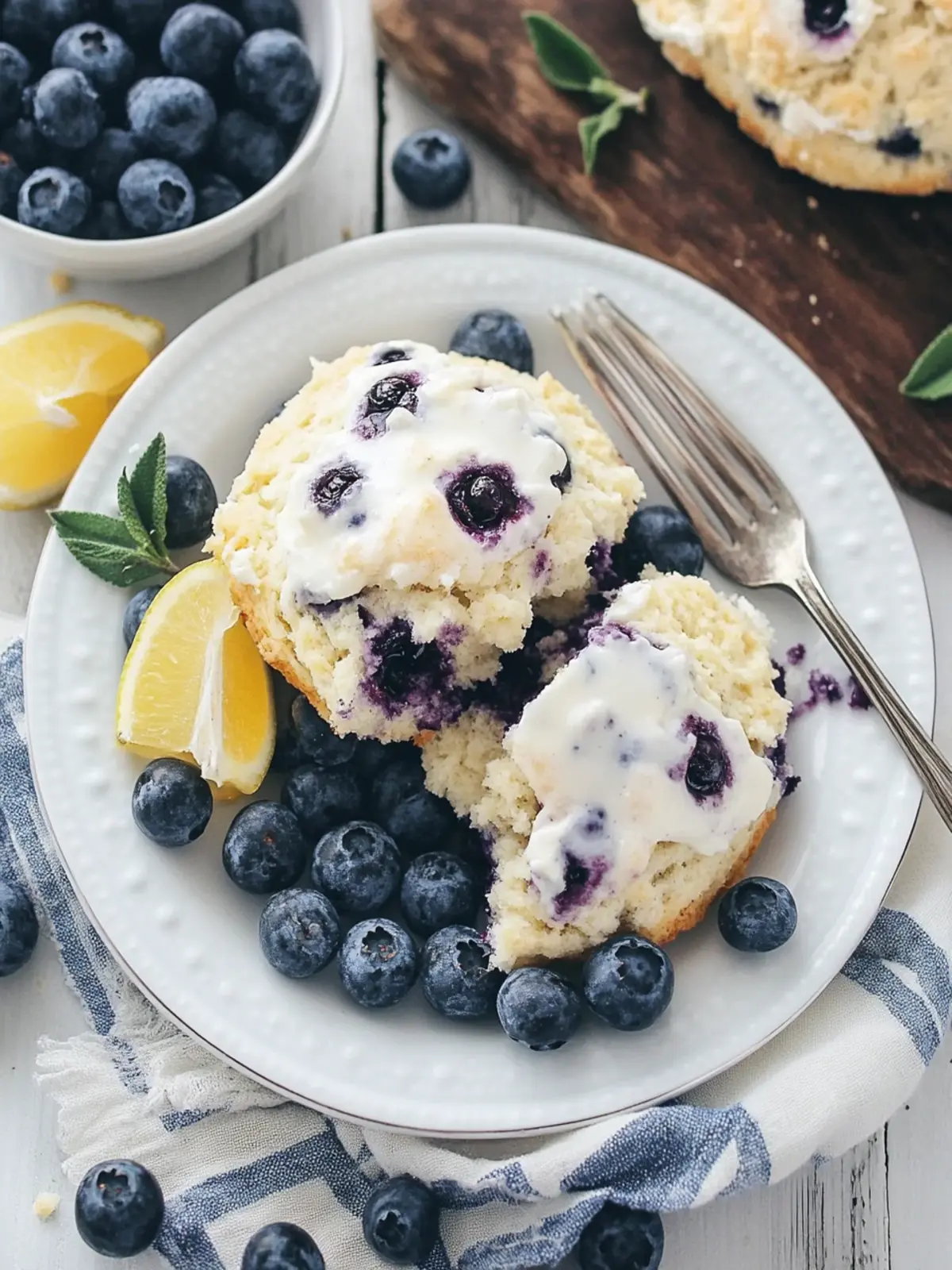
Preheat your oven to 400°F (200°C) and line a baking sheet with parchment paper. This is important because the scones need that initial blast of high heat to rise properly.
- Mix the dry ingredients: In a large bowl, whisk together the flour, sugar, baking powder, salt, and lemon zest. Make sure the zest is evenly distributed so every bite has that lemony brightness.
- Cut in the butter: Add the cold, cubed butter to the flour mixture. Using a pastry cutter or two forks, cut the butter into the flour until the mixture resembles coarse crumbs with pea-sized pieces of butter still visible. Do not overwork it—those little butter pockets are what create flaky layers. (I once overmixed and ended up with tough scones. Learn from my mistake.)
- Combine the wet ingredients: In a separate small bowl, whisk together the ricotta, heavy cream, and vanilla extract until smooth. The mixture should be thick but pourable.
- Bring it together: Pour the wet mixture into the dry mixture and stir with a spatula until just combined. The dough will look shaggy and slightly sticky—that is exactly what you want. Do not overmix, or the scones will be tough.
- Add the blueberries: Gently fold in the blueberries with as few strokes as possible. If you overmix at this stage, the blueberries will burst and turn your dough purple. I speak from experience—my first batch looked like a tie-dye experiment gone wrong.
- Shape the dough: Turn the dough out onto a lightly floured surface. Gently bring it together with your hands, patting it into a circle about 3/4-inch thick. Do not knead it—just press it together gently. Use a bench scraper or sharp knife to cut the circle into 8 wedges.
- Bake: Place the wedges on the prepared baking sheet, spacing them about 2 inches apart. If you want a golden, bakery-style top, brush each scone with a little extra cream. Bake for 15 to 18 minutes, until the edges are golden brown and the tops are lightly golden. A toothpick inserted into the center should come out clean or with a few moist crumbs.
- Cool: Let the scones cool on the baking sheet for 5 minutes, then transfer them to a cooling rack. This step is crucial—if you leave them on the hot pan, the bottoms will continue to cook and can burn.
- Make the glaze: While the scones are cooling, whisk together the powdered sugar, lemon juice, and vanilla extract until smooth. The glaze should be thick but pourable—add more juice if it is too thick or more sugar if it is too thin.
- Glaze and serve: Drizzle the glaze over the warm scones. The warmth helps the glaze soak into the cracks, creating that beautiful marbled effect. Let the glaze set for about 5 minutes before serving, or eat them immediately if you cannot wait (I never can).
Cooking Tips & Techniques
After making these scones more times than I care to count, I have picked up a few tricks that make a real difference. Here is what I have learned:
Keep everything cold. This is the number one rule of scone-making. Cold butter creates steam pockets as it melts in the oven, which gives you those flaky layers. If your kitchen is warm, pop your mixing bowl and even your flour in the fridge for 15 minutes before you start. I have done this on hot summer days, and it works like a charm.
Do not overmix the dough. I cannot stress this enough. Overmixing develops gluten, which makes scones tough and chewy instead of tender. Mix until the dough just comes together, even if it looks a bit shaggy. A few dry patches are totally fine—they will sort themselves out as you shape the dough.
Handle the dough gently. When you pat the dough into a circle, use the lightest touch possible. Pressing too hard compacts the dough and ruins that fluffy texture. Think of it like you are handling a sleeping baby—gentle and deliberate.
Use a sharp cutter. If you are cutting wedges, use a sharp knife or bench scraper and press straight down without twisting. Twisting seals the edges and prevents the scones from rising evenly. I learned this after making a batch of lopsided scones that looked more like cookies.
Bake on the middle rack. The middle rack provides the most even heat distribution. Baking too close to the top can burn the glaze, and baking too low can burn the bottoms. Trust me on this one—I have made both mistakes.
Let them cool properly. I know it is tempting to eat them straight out of the oven, but letting them cool for at least 5 minutes on the baking sheet and then on a wire rack prevents soggy bottoms. The glaze sets better on slightly cooled scones too.
Variations & Adaptations
One of the best things about this recipe is how versatile it is. Here are some variations I have tried and loved:
Lemon Blueberry Ricotta Scones: Add an extra tablespoon of lemon zest to the dough and use lemon extract instead of vanilla for a more intense lemon flavor. This version is perfect for spring brunches or tea parties.
White Chocolate Raspberry Ricotta Scones: Swap the blueberries for fresh or frozen raspberries and add 1/2 cup white chocolate chips. The sweetness of the white chocolate balances the tartness of the raspberries beautifully. I made these for Valentine’s Day, and they disappeared in minutes.
Savory Herb and Cheese Ricotta Scones: Omit the sugar, blueberries, and lemon zest. Add 1/2 cup shredded sharp cheddar, 1/4 cup grated Parmesan, 2 tablespoons chopped fresh chives, and 1 teaspoon dried rosemary. Brush the tops with melted butter and sprinkle with flaky salt before baking. These are incredible alongside a bowl of soup or as a breakfast side.
Gluten-Free Version: Substitute the all-purpose flour with a 1:1 gluten-free baking flour blend. Add 1/2 teaspoon xanthan gum if your blend does not already include it. The texture will be slightly more delicate, but they are still delicious. My gluten-free friend said these were the best scones she has had since her diagnosis.
Vegan Version: Use a high-quality vegan ricotta (Kite Hill makes a good one), substitute the butter with cold vegan butter, and use full-fat coconut cream instead of heavy cream. The texture will be a bit different—less fluffy and more dense—but still tasty. I would not recommend this version for first-time scone makers, as the dough can be trickier to handle.
Mini Scone Variation: Instead of cutting the dough into 8 wedges, cut it into 16 smaller wedges and reduce the baking time to 10 to 12 minutes. These are perfect for brunch buffets or afternoon tea.
I have also tried adding a handful of toasted sliced almonds to the dough for extra crunch, and it was fantastic. The nuttiness pairs surprisingly well with the blueberries and lemon. Do not be afraid to experiment—scones are forgiving, and the worst that can happen is you end up with a delicious mistake.
Serving & Storage Suggestions
These scones are best served warm, ideally within an hour of baking. The glaze is still slightly soft, the edges are crisp, and the inside is tender and almost creamy from the ricotta. I like to serve them with a cup of hot coffee or a pot of Earl Grey tea for a cozy afternoon treat.
For a brunch spread, arrange the scones on a pretty platter with fresh berries, a bowl of clotted cream or mascarpone, and extra lemon glaze on the side. They also pair beautifully with a fruit salad or a fresh marinated tomatoes salad if you want something savory to balance the sweetness.
Storage Instructions: Store leftover scones in an airtight container at room temperature for up to 2 days. Do not refrigerate them—the fridge dries them out and makes them stale faster. If you live in a humid climate, you can store them in a paper bag inside a plastic bag to prevent them from getting soggy.
Freezer Instructions: These scones freeze beautifully. To freeze unbaked scones, cut the dough into wedges, place them on a parchment-lined baking sheet, and freeze until solid. Transfer the frozen wedges to a freezer-safe bag or container. When ready to bake, place them directly on a lined baking sheet and add 2 to 3 minutes to the baking time. No need to thaw first.
To freeze baked scones, let them cool completely without the glaze. Wrap each scone individually in plastic wrap, then place them in a freezer-safe bag. They will keep for up to 3 months. To reheat, unwrap and warm in a 300°F oven for 5 to 7 minutes, then add the glaze fresh. I have done this many times, and they taste almost as good as freshly baked.
The flavors actually develop overnight—the lemon and blueberry meld together, and the ricotta continues to tenderize the crumb. If you can resist eating them all on day one, day two scones are even better. Just reheat them briefly before serving.
Nutritional Information & Benefits
Here is the estimated nutritional information for one scone (based on 8 servings, with glaze):
- Calories: 345
- Total Fat: 16g
- Saturated Fat: 10g
- Cholesterol: 55mg
- Sodium: 280mg
- Total Carbohydrates: 46g
- Dietary Fiber: 1g
- Sugars: 24g
- Protein: 7g
These scones offer some surprising nutritional benefits thanks to the ricotta cheese. Ricotta is packed with protein and calcium, which supports bone health and muscle recovery. Blueberries are loaded with antioxidants, particularly anthocyanins, which are linked to improved brain function and heart health. The lemon zest provides a small dose of vitamin C and adds brightness without extra calories.
While these scones are definitely a treat, they are a more balanced option than many bakery scones because the ricotta adds protein and moisture, allowing you to use less butter. If you want to lighten them up, you can reduce the glaze by half or skip it altogether—the scones are still delicious on their own.
Potential allergens include dairy (butter, ricotta, heavy cream) and gluten (flour). For dairy-free and gluten-free options, see the variations section above.
Conclusion
These fluffy blueberry ricotta scones with lemon glaze have become a staple in my kitchen, and I honestly think they will become one in yours too. They are quick enough for a weekday morning but fancy enough for a special occasion, and they never fail to impress. The ricotta makes them impossibly tender, the blueberries add bursts of fruity sweetness, and the lemon glaze ties everything together with a bright, tangy finish.
I love that this recipe is forgiving enough for beginners but rewarding enough for experienced bakers. You can customize it with different fruits, add-ins, or glazes, and it will still turn out beautifully. Whether you serve them for breakfast, brunch, or an afternoon snack, these scones are guaranteed to bring a smile to your face.
I would love to hear how yours turn out! Leave a comment below and let me know if you tried any variations or if these became a new favorite in your home. Share your photos on social media and tag me—I love seeing your creations. And if you enjoyed this recipe, check out my creamy blueberry swirl cheesecake bars or my perfect strawberry upside-down cake for more fruity, crowd-pleasing desserts. Happy baking, friends!
Frequently Asked Questions
Can I use low-fat ricotta for this recipe?
You can, but I do not recommend it. Full-fat ricotta provides the moisture and richness that makes these scones so tender. Low-fat ricotta has more water content, which can make the dough sticky and result in denser scones. If you only have low-fat on hand, drain it in a fine-mesh strainer for 30 minutes before using to remove excess liquid.
Why did my scones turn out flat?
Flat scones usually mean your baking powder is old or your butter was too warm. Check the expiration date on your baking powder—it loses potency after about 6 months. Also, make sure your butter is cold straight from the fridge. If your kitchen is warm, chill your mixing bowl and flour before starting.
Can I make the dough ahead of time?
Absolutely. You can prepare the dough, shape it into wedges, and refrigerate them on a baking sheet for up to 24 hours before baking. Cover them tightly with plastic wrap. When ready to bake, add 2 to 3 minutes to the baking time since the dough will be cold. You can also freeze the shaped wedges for up to 3 months.
How do I keep blueberries from sinking to the bottom?
Toss your blueberries in a tablespoon of flour before adding them to the dough. This creates a light coating that helps suspend them in the batter. Also, make sure your dough is thick enough—if it is too wet, the berries will sink. If your dough seems sticky, add an extra tablespoon of flour.
Can I use frozen blueberries without thawing?
Yes, and I actually prefer using frozen blueberries straight from the freezer. Do not thaw them first, or they will turn the dough purple. Add them frozen and fold gently. You may need to add 1 to 2 minutes to the baking time since the frozen berries will cool the dough slightly.
Pin This Recipe!

Fluffy Blueberry Ricotta Scones with Lemon Glaze

These tender, fluffy scones combine creamy ricotta, juicy blueberries, and a bright lemon glaze for a quick and easy breakfast or brunch treat that comes together in under 30 minutes.
- Prep Time: 10 minutes
- Cook Time: 15 minutes
- Total Time: 25 minutes
- Yield: 8 servings 1x
- Category: Breakfast
- Cuisine: American
Ingredients
- 2 cups all-purpose flour (250g)
- 1/2 cup granulated sugar (100g)
- 1 tablespoon baking powder
- 1/2 teaspoon salt
- 6 tablespoons cold unsalted butter (85g), cubed
- 3/4 cup whole milk ricotta cheese (180g)
- 1/3 cup heavy cream (80ml)
- 1 teaspoon vanilla extract
- 1 cup fresh or frozen blueberries (150g)
- Zest of 1 lemon
- 1 cup powdered sugar (120g), sifted
- 2 to 3 tablespoons fresh lemon juice
- 1/2 teaspoon vanilla extract (optional)
Instructions
- Preheat oven to 400°F (200°C) and line a baking sheet with parchment paper.
- In a large bowl, whisk together flour, sugar, baking powder, salt, and lemon zest.
- Cut in cold cubed butter using a pastry cutter or two forks until mixture resembles coarse crumbs with pea-sized butter pieces.
- In a separate bowl, whisk together ricotta, heavy cream, and vanilla extract until smooth.
- Pour wet mixture into dry mixture and stir with a spatula until just combined (dough will be shaggy and slightly sticky).
- Gently fold in blueberries with as few strokes as possible.
- Turn dough onto a lightly floured surface, gently pat into a 3/4-inch thick circle, and cut into 8 wedges.
- Place wedges on prepared baking sheet about 2 inches apart. Brush tops with extra cream if desired.
- Bake for 15 to 18 minutes until edges are golden brown and a toothpick inserted in center comes out clean or with moist crumbs.
- Cool on baking sheet for 5 minutes, then transfer to a cooling rack.
- While scones cool, whisk together powdered sugar, lemon juice, and vanilla extract until smooth.
- Drizzle glaze over warm scones. Let set for about 5 minutes before serving.
Notes
Keep all ingredients cold for best texture. Do not overmix dough. If using frozen blueberries, do not thaw them first. For a golden crust, brush tops with cream before baking. Scones are best served warm within an hour of baking.
Nutrition
- Serving Size: 1 scone
- Calories: 345
- Sugar: 24
- Sodium: 280
- Fat: 16
- Saturated Fat: 10
- Carbohydrates: 46
- Fiber: 1
- Protein: 7
Keywords: blueberry ricotta scones, lemon glaze, easy scone recipe, fluffy scones, breakfast scones, brunch recipe