Love this? Save it for later!
Share the inspiration with your friends
My fridge was a disaster zone. Leftover rice from Tuesday’s takeout, a half-used jar of gochujang I’d bought for a single recipe that never happened, and a carton of eggs staring at me with judgment. It was 8 AM on a Saturday, and I was hungry, a little hungover, and completely unwilling to go to the grocery store. I needed something fast, salty, and spicy enough to wake up my taste buds. So, I grabbed the gochujang, whisked it into some soy sauce and sesame oil, and fried an egg in the fiery red mixture. I spooned it over the cold rice, threw some kimchi on the side, and took a bite. Honestly? It was a revelation. That first forkful—runny yolk mixing with the sticky, spicy, umami-packed sauce—made me forget about the messy kitchen and the questionable leftover situation. This wasn’t just breakfast; this was a moment. That accidental bowl has become my go-to, and I’m pretty sure it’s about to become yours too.
Why You’ll Love This Recipe
Let’s be real—mornings can be a drag. But this Spicy Gochujang Eggs Breakfast Bowl is the kind of breakfast that makes you want to get out of bed. It’s not your average bowl of oatmeal.
- Quick & Easy: From fridge to table in under 15 minutes. Seriously. If you can fry an egg and boil water, you can make this.
- Simple Ingredients: You probably have 90% of these items in your pantry right now. No fancy trips to a specialty store required.
- Perfect for Any Meal: I call it a breakfast bowl, but I’ve eaten it for lunch, dinner, and a late-night snack. It’s the ultimate any-time meal.
- Bold, Unforgettable Flavor: The gochujang gives you that deep, fermented, spicy-sweet kick that you just can’t get from regular hot sauce. It’s complex without being complicated.
- Naturally Customizable: Got some leftover roasted veggies? Throw them in. Want to make it a protein powerhouse? Add some chicken or tofu. This bowl is a blank canvas for whatever you have on hand.
What makes this version different? It’s all in the sauce. I don’t just drizzle gochujang on top. I bloom it in the pan with garlic and soy sauce, creating a sticky, caramelized glaze that the eggs cook right into. This isn’t just spicy eggs on rice; it’s a cohesive, soul-warming bowl where every component sings in harmony. It’s the kind of breakfast that makes you close your eyes after the first bite—spicy, savory, and deeply satisfying.
What Ingredients You Will Need
This recipe relies on a handful of powerhouse ingredients to deliver maximum flavor with minimal effort. Most of these are pantry staples in my house, and I bet they are in yours too.
- Gochujang Paste: The star of the show. This Korean fermented chili paste is thick, sweet, and deeply savory. It’s not just heat; it’s flavor. I prefer the brand Chung Jung One for its balanced sweetness and spice level.
- Soy Sauce: Adds the salty, umami backbone to the sauce. I use low-sodium so I can control the saltiness. Tamari or coconut aminos work great as substitutes.
- Sesame Oil: A little goes a long way. It adds a nutty, toasty aroma that ties the whole Korean-inspired flavor profile together. Toasted sesame oil is non-negotiable here.
- Rice Vinegar: A splash of acidity cuts through the richness of the egg and the heat of the gochujang, brightening the entire bowl. Unseasoned is best.
- Honey or Maple Syrup: Just a touch to balance the heat and salt. It helps the sauce caramelize beautifully in the pan. You can also use brown sugar.
- Garlic: Freshly minced is best. It gets softened in the oil before the sauce goes in, creating a fragrant base that you can’t replicate with powder.
- Eggs: The heart of the bowl. Use the best quality eggs you can find—the richer the yolk, the more luscious the final dish. Pasture-raised are my go-to.
- Cooked Rice: The perfect canvas for all that saucy goodness. Leftover day-old rice is ideal, but freshly cooked works too. Short-grain or medium-grain rice is traditional, but jasmine or basmati is fine.
- Kimchi: Not just a garnish! The tangy, spicy, fermented crunch is essential for texture and acidity. It cuts through the richness of the egg and rice beautifully.
- Green Onions & Sesame Seeds: For a fresh, bright finish. They add color and a mild oniony bite that completes the dish.
Optional Add-Ins for Extra Oomph
- Nori (Seaweed) Sheets: Cut into strips for a taste of the ocean.
- Gochugaru (Korean Red Pepper Flakes): For an extra layer of heat and color.
- Avocado: For creaminess that contrasts the spicy sauce.
- Protein: Leftover shredded chicken, sautéed mushrooms, or crispy tofu.
Equipment Needed
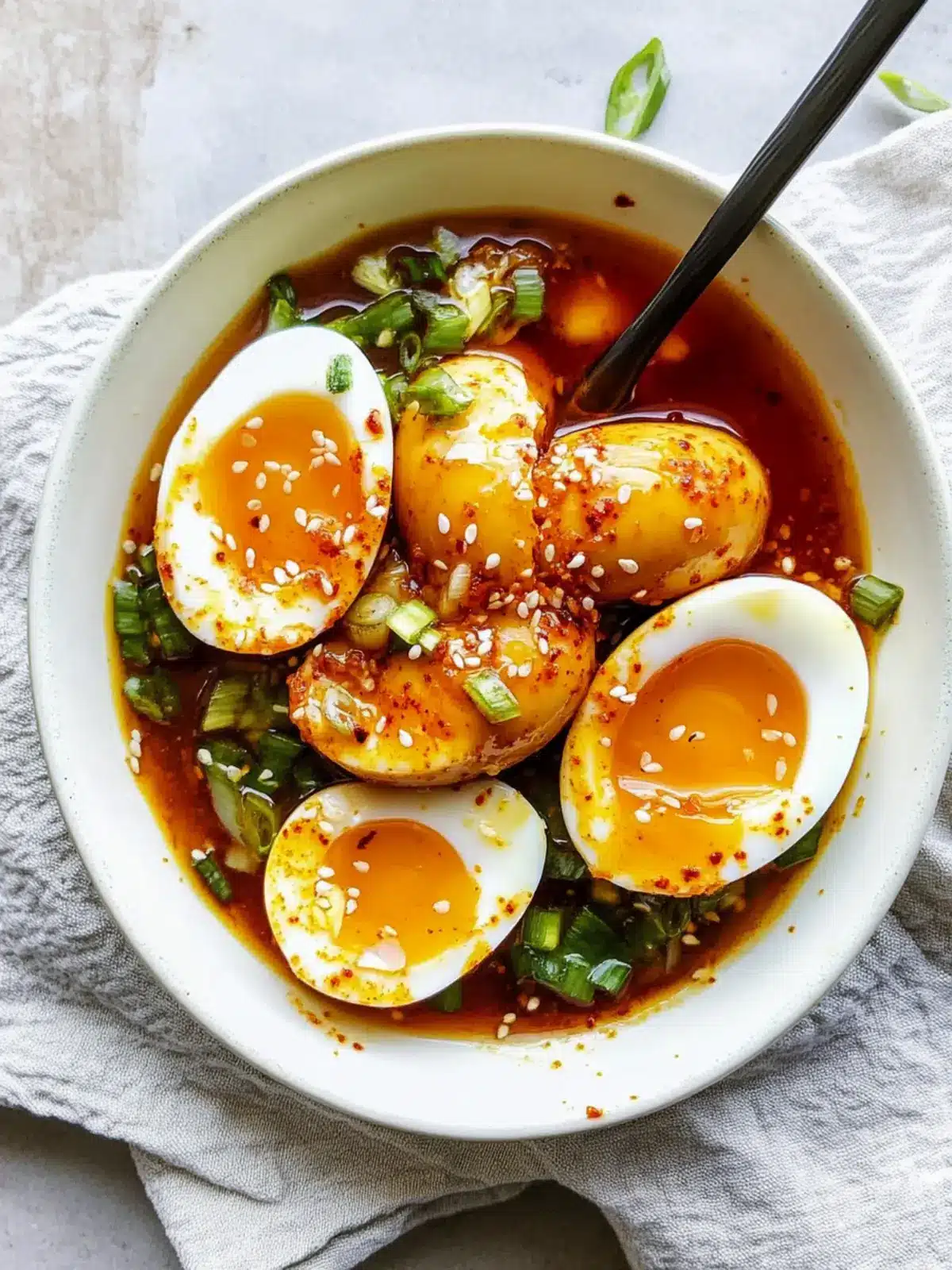
You don’t need a lot of fancy gear for this one, which is part of its charm. Here’s what I use:
- Non-Stick Skillet or Cast Iron Pan: A good non-stick pan is your best friend here for perfect fried eggs. A well-seasoned cast iron works beautifully too, giving the sauce a slightly deeper flavor.
- Small Bowl: For whisking together the gochujang sauce.
- Rice Cooker or Small Pot: For cooking your rice. I’m a rice cooker loyalist—it’s a set-it-and-forget-it kind of tool. If you don’t have one, a small pot with a tight-fitting lid works perfectly.
- Spatula: A thin, flexible silicone spatula is ideal for getting under those perfectly fried eggs without breaking the yolk.
- Sharp Knife & Cutting Board: For mincing garlic and slicing green onions.
Budget-Friendly Tip: Don’t have a rice cooker? Cook your rice in a pot on the stove. It takes about 15 minutes and requires zero special equipment. And if you don’t have a non-stick pan, just use a well-oiled stainless steel pan and be gentle with your eggs.
Preparation Method
This whole process moves fast, so I like to have everything prepped and ready to go before I turn on the heat. It makes the whole thing feel effortless.
- Make the Gochujang Sauce (1 minute): In a small bowl, whisk together 1 tablespoon gochujang paste, 1 tablespoon soy sauce, 1 teaspoon sesame oil, 1 teaspoon rice vinegar, and 1 teaspoon honey. Set it aside. The smell alone is intoxicating.
- Prep Your Garnishes (2 minutes): Thinly slice 2 green onions, both the white and green parts. Get your kimchi ready—about 1/4 cup per bowl. If you’re using nori, cut a sheet into thin strips with scissors. Measure out 2 tablespoons of toasted sesame seeds.
- Cook Your Rice: If you don’t have leftover rice, start this first. Rinse 1/2 cup of rice (short-grain is best) under cold water until the water runs clear. Add it to a small pot with 3/4 cup of water. Bring to a boil, then cover, reduce heat to low, and simmer for 15 minutes. Remove from heat and let it sit, covered, for 5 minutes. Fluff with a fork.
- Bloom the Aromatics (1 minute): Place your non-stick skillet over medium heat. Add 1 tablespoon of neutral oil (like avocado or grapeseed). Once the oil shimmers, add 2 cloves of minced garlic. Cook for just 30 seconds until fragrant—don’t let it burn!
- Cook the Sauce (1 minute): Pour the prepared gochujang sauce into the pan with the garlic. Stir constantly. It will bubble up and thicken quickly, turning into a sticky, glossy glaze. This only takes about 30-45 seconds.
- Fry the Eggs (2-3 minutes): Crack 2 large eggs directly into the pan on top of the bubbling sauce. Let them cook undisturbed. The whites will start to set, and the edges will get crispy from the caramelized sauce. For runny yolks, cook for about 2 minutes. For firmer yolks, cover the pan with a lid for the last minute of cooking. The sauce will cling to the whites—this is what you want.
- Assemble the Bowl (1 minute): Spoon a generous portion of hot rice into your bowl. Carefully slide the gochujang-glazed eggs right on top. Don’t leave a drop of that sauce behind in the pan—spoon it all over the rice.
- Finish & Serve: Top immediately with a generous pile of kimchi, a shower of sliced green onions, and a sprinkle of sesame seeds. If you’re using nori, add those strips now. Eat it right away while the yolk is still gloriously runny.
Cooking Tips & Techniques
I’ve made this bowl a lot—probably more than is reasonable—and I’ve learned a few things along the way. Here are the tricks that make it perfect every time.
- Don’t Overcrowd the Pan: This recipe is perfect for one or two people. If you’re making it for a crowd, cook the eggs in batches. If you crowd the pan, the eggs will steam instead of fry, and you won’t get those deliciously crispy, caramelized edges.
- Watch the Sauce Like a Hawk: The gochujang sauce goes from “perfectly sticky” to “burnt and bitter” very quickly. Keep the heat at medium and stir constantly once you add it to the pan. As soon as it starts to bubble and thicken, add the eggs.
- The Leftover Rice Hack: Cold, day-old rice from the fridge is actually better for this than freshly cooked rice. It’s drier and firmer, so it holds up better to the saucy eggs without turning into mush. If you’re using fresh rice, spread it out on a plate to cool for a few minutes before assembling.
- My Biggest Failure: The first time I made this, I added the eggs too early, before the sauce had a chance to thicken. The result was a watery, pale mess. I’ve since learned that patience is key. Let that sauce bubble and reduce for a full 30 seconds before you crack those eggs. Trust the process.
- Timing is Everything: To get everything hot at the same time, start your rice first. While it’s cooking, prep your garnishes and mix the sauce. By the time the rice is done, your pan will be hot and ready for the eggs. It’s a beautiful, efficient dance.
Variations & Adaptations
This bowl is endlessly adaptable. It’s less of a rigid recipe and more of a fantastic framework. Here are a few of my favorite twists.
- Make it Vegetarian: It already is! But to make it a heartier meal, add a handful of sautéed shiitake mushrooms or some crispy pan-fried tofu. The mushrooms soak up the gochujang sauce beautifully.
- Make it Vegan: Swap the honey for maple syrup, and use a vegan egg substitute like a fried tofu steak or a block of pan-seared, seasoned tofu. The sauce is naturally vegan, so you’re halfway there.
- Add More Veggies: Sauté some spinach, bok choy, or zucchini in the pan before you add the sauce. Remove them, cook the eggs, and pile everything on top of the rice. It’s an easy way to add bulk and nutrients.
- Different Grains: Not a rice person? This works wonderfully on a bed of quinoa, farro, or even creamy polenta. Each grain offers a different texture, but all of them are perfect for soaking up that spicy yolk sauce.
- The “Bibimbap” Style: For a more traditional Korean twist, serve the rice and eggs over a handful of fresh spinach and sautéed bean sprouts. Add a dollop of gochujang sauce on the side and mix it all together right before eating.
Serving & Storage Suggestions
This is a dish best enjoyed immediately, right when it’s hot and the yolk is ready to burst. But here’s how to handle leftovers and make it a full meal.
- Serving Temperature: Serve this bowl piping hot. The contrast between the hot, saucy eggs and the cool, tangy kimchi is part of the magic.
- What to Serve With It: This bowl is a complete meal on its own, but it’s fantastic with a simple side of cozy spicy coconut corn soup for a bigger spread. A cold glass of milk or a light lager helps cut the heat perfectly.
- Storing Leftovers: Store the components separately. The rice goes in one container, the cooked eggs and sauce in another. The kimchi and garnishes should be kept in their own containers. Stored this way, everything will keep in the fridge for up to 2 days.
- Reheating: Reheat the rice in the microwave or a pan with a splash of water. The eggs are best reheated in a small non-stick pan over low heat. Add a tiny splash of water to the pan and cover it to steam the eggs back to life. The yolk won’t be runny again, but the flavor will still be incredible.
- Flavor Development: Honestly, the sauce gets even better after a day in the fridge. The flavors meld together into something even deeper and more complex. I sometimes make a double batch of the sauce just to have on hand for a quick breakfast during the week.
Nutritional Information & Benefits
This bowl is more than just delicious—it’s packed with good-for-you ingredients that will keep you full and energized.
- Estimated Nutritional Values (per serving): Calories: ~450-550, Protein: 20g, Fat: 20g, Carbohydrates: 55g, Fiber: 4g. (Note: This is an estimate and varies based on specific ingredients and portion sizes.)
- Eggs: A fantastic source of high-quality protein, choline (great for brain health), and vitamin D. The runny yolk is where most of the nutrients are!
- Gochujang: This fermented paste is a probiotic powerhouse. Fermentation introduces beneficial bacteria that are great for gut health. Plus, capsaicin from the chili peppers can boost metabolism.
- Kimchi: Another fermented superstar! It’s loaded with vitamins A, B, and C, and healthy bacteria that support your immune system and digestion.
- Dietary Considerations: This recipe is naturally gluten-free (use tamari instead of soy sauce), dairy-free, and can easily be made vegan. It’s a great option for anyone looking for a high-protein, low-effort meal that doesn’t skimp on flavor.
Conclusion
This Spicy Gochujang Eggs Breakfast Bowl is proof that the best meals often come from the most unlikely places—like a messy fridge and a desperate craving. It’s quick, it’s bold, and it’s deeply satisfying in a way that only a perfectly runny yolk and a sticky, spicy sauce can be. I love this recipe because it turns a humble egg into something truly special. It’s a little bit of culinary magic that takes less than 15 minutes and makes you feel like a genius. Now, I want to hear from you! Have you tried this bowl? Did you add any fun twists? Drop a comment below and tell me all about it. Don’t forget to share this recipe with a friend who needs a breakfast upgrade—and while you’re at it, check out our creamy queso chicken tacos for another quick dinner idea. Happy cooking!
Frequently Asked Questions
Can I use a different type of chili paste?
You can, but it won’t be the same. Gochujang has a unique fermented sweetness that sriracha or sambal oelek just don’t have. If you’re in a pinch, mix a tablespoon of miso paste with a teaspoon of sriracha for a similar flavor profile.
How do I keep the eggs from sticking to the pan?
Use a good non-stick pan and make sure your oil is hot before you add the eggs. The gochujang sauce is sticky, so a well-oiled, non-stick surface is your best defense. A thin, flexible silicone spatula also helps get under the eggs without breaking them.
Can I make this ahead of time for meal prep?
This dish is best fresh, but you can prep the components. Make the sauce and store it in the fridge. Cook a big batch of rice and portion it out. When you’re ready to eat, just fry the eggs in the sauce. It takes less than 5 minutes.
What can I use instead of rice?
Absolutely! Quinoa, cauliflower rice, or even a bed of fresh greens like spinach or arugula work wonderfully. The key is having something to soak up that glorious runny yolk and spicy sauce.
Is this recipe very spicy?
It has a pleasant, warming kick, but it’s not blow-your-head-off spicy. The gochujang is balanced by the sweetness of the honey and the richness of the egg yolk. If you’re sensitive to spice, start with half the amount of gochujang and add more to taste.
Pin This Recipe!
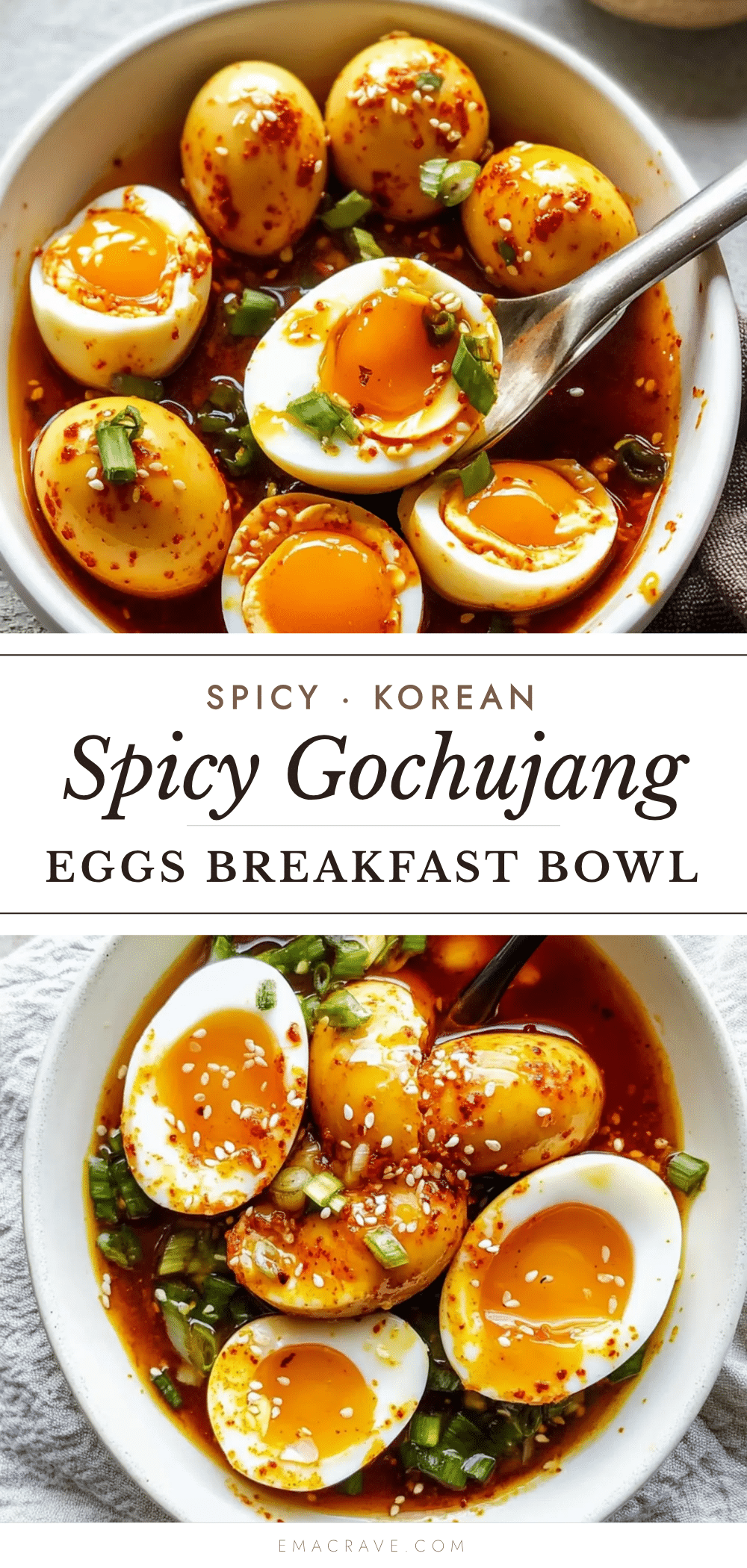
Best Easy Spicy Gochujang Eggs Breakfast Bowl Recipe
A quick and easy breakfast bowl featuring fried eggs in a sticky, spicy gochujang sauce over rice, topped with kimchi and fresh garnishes. Ready in under 15 minutes, it’s a bold, satisfying meal for any time of day.
- Prep Time: 5 minutes
- Cook Time: 10 minutes
- Total Time: 15 minutes
- Yield: 1 serving 1x
- Category: Breakfast
- Cuisine: Korean
Ingredients
- 1 tablespoon gochujang paste
- 1 tablespoon soy sauce (low-sodium recommended)
- 1 teaspoon sesame oil (toasted)
- 1 teaspoon rice vinegar (unseasoned)
- 1 teaspoon honey (or maple syrup)
- 2 cloves garlic, minced
- 2 large eggs (pasture-raised recommended)
- 1/2 cup cooked rice (short-grain or medium-grain, preferably day-old)
- 1/4 cup kimchi
- 2 green onions, thinly sliced
- 2 tablespoons toasted sesame seeds
- 1 tablespoon neutral oil (avocado or grapeseed)
- Optional: nori sheets, gochugaru, avocado, protein (chicken, tofu, mushrooms)
Instructions
- Make the Gochujang Sauce: In a small bowl, whisk together 1 tablespoon gochujang paste, 1 tablespoon soy sauce, 1 teaspoon sesame oil, 1 teaspoon rice vinegar, and 1 teaspoon honey. Set aside.
- Prep Your Garnishes: Thinly slice 2 green onions. Measure out 1/4 cup kimchi and 2 tablespoons toasted sesame seeds. If using nori, cut into thin strips.
- Cook Your Rice: If using fresh rice, rinse 1/2 cup rice under cold water until water runs clear. Add to a small pot with 3/4 cup water. Bring to a boil, cover, reduce heat to low, and simmer for 15 minutes. Remove from heat, let sit covered for 5 minutes, then fluff with a fork.
- Bloom the Aromatics: Place a non-stick skillet over medium heat. Add 1 tablespoon neutral oil. Once shimmering, add 2 cloves minced garlic. Cook for 30 seconds until fragrant.
- Cook the Sauce: Pour the gochujang sauce into the pan with the garlic. Stir constantly for 30-45 seconds until it bubbles and thickens into a sticky glaze.
- Fry the Eggs: Crack 2 large eggs directly into the pan on top of the sauce. Cook undisturbed for about 2 minutes for runny yolks, or cover with a lid for the last minute for firmer yolks. The edges should get crispy.
- Assemble the Bowl: Spoon hot rice into a bowl. Carefully slide the gochujang-glazed eggs on top. Spoon any remaining sauce from the pan over the rice.
- Finish & Serve: Top immediately with kimchi, sliced green onions, and sesame seeds. Add nori strips if using. Serve right away while the yolk is runny.
Notes
Use day-old rice for best texture. Watch the sauce carefully to prevent burning. For vegan option, swap honey for maple syrup and use fried tofu instead of eggs. The sauce can be made ahead and stored in the fridge.
Nutrition
- Serving Size: 1 bowl
- Calories: 500
- Sugar: 8
- Sodium: 800
- Fat: 20
- Saturated Fat: 4
- Carbohydrates: 55
- Fiber: 4
- Protein: 20
Keywords: gochujang eggs, spicy breakfast bowl, Korean breakfast, easy breakfast, gochujang recipe, fried eggs, rice bowl, kimchi