Love this? Save it for later!
Share the inspiration with your friends
The smell hit me before I even got the front door open. Someone in the building was making gumbo—that deep, earthy scent of browned flour and cayenne drifting right down the hallway. It was a cold Tuesday in November, and I’d just come home from a long day of recipe testing that had gone… sideways. My kitchen was a mess, I was tired, and honestly, I wanted nothing more than to order takeout and call it quits.
But that smell stopped me in my tracks. It reminded me of standing in my friend Celine’s tiny New Orleans apartment years ago, watching her stir a dark roux for what felt like forever. She kept saying, “You gotta be patient with it, chère. The roux is the soul.” I’d never made gumbo myself. It always felt like one of those dishes that belonged to people who knew what they were doing—people with cast-iron patience and a family recipe passed down for generations.
I went inside, ignored the mess, and started pulling ingredients out of the fridge. Andouille sausage. A bag of frozen shrimp. The holy trinity of onion, bell pepper, and celery. I wasn’t trying to recreate Celine’s gumbo—I was just following my gut, one step at a time. What came out of that pot wasn’t perfect. But it was exactly what I needed. That first spoonful was warm and smoky, with just enough kick to remind you you’re alive. I texted Celine a photo later that night. She replied, “Now you get it.”
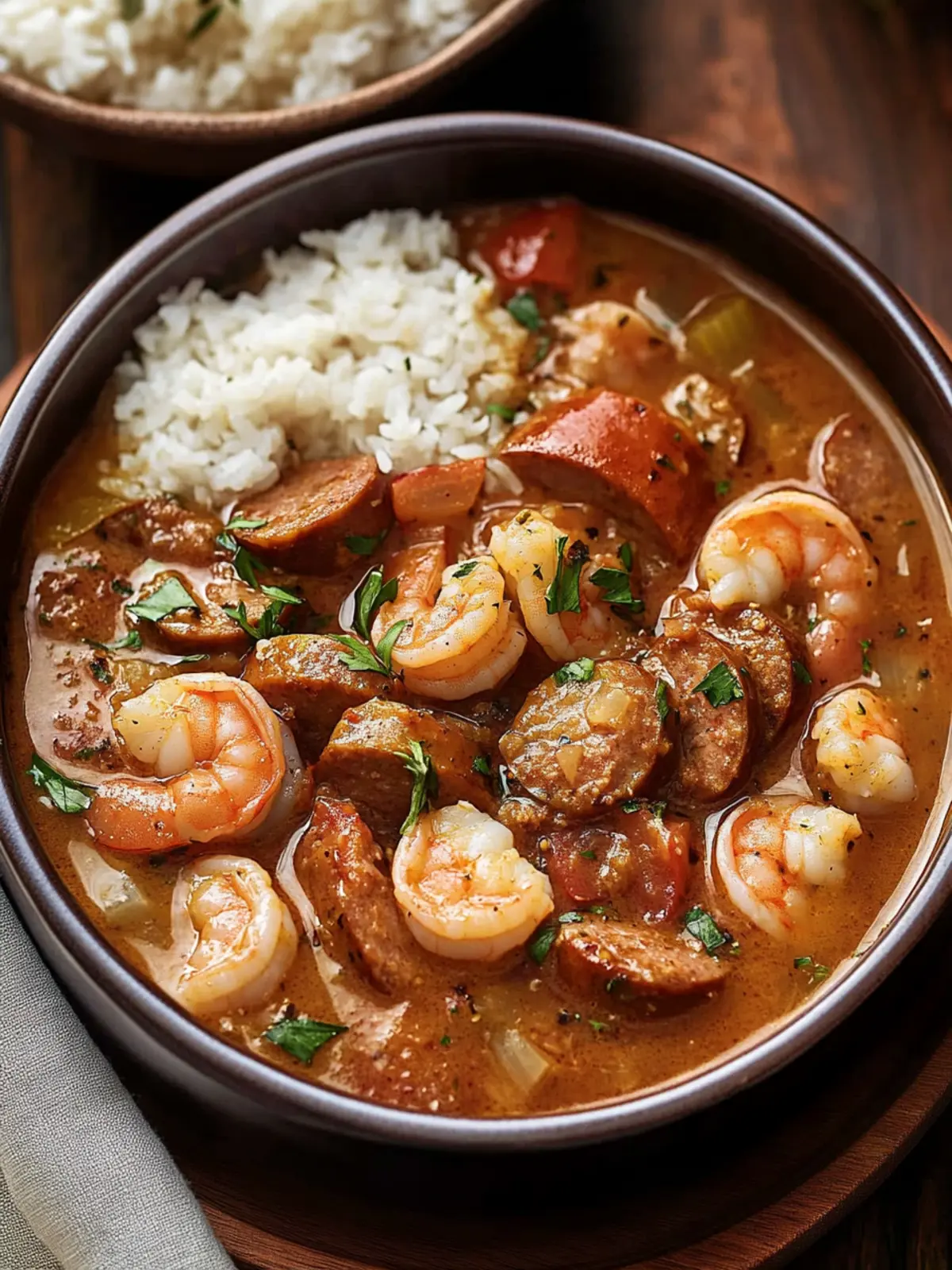
This Classic Sausage and Shrimp Gumbo is that recipe. It’s not fussy or overly complicated, but it delivers the kind of deep, layered flavor you usually only get from a restaurant. And it all comes together in one pot—no special skills required.
Why You’ll Love This Recipe
I’ve made this gumbo at least a dozen times since that first cold Tuesday. Each time, I tweaked something small—a little more file powder, a different brand of sausage—and each time, it got better. Here’s why this version stands out from the countless others you’ll find online.
- One-Pot Wonder: Everything happens in a single Dutch oven or heavy pot. Less cleanup, more time to actually enjoy your meal.
- Deep Flavor Without Hours of Work: Most gumbo recipes demand a roux that takes 45 minutes of constant stirring. This one uses a streamlined method that still delivers that nutty, caramelized base in about half the time.
- Simple, Pantry-Friendly Ingredients: You don’t need to hunt down obscure spices or specialty items. Andouille sausage, frozen shrimp, and a few fresh veggies are all it takes.
- Perfect for Company: This is the kind of meal that makes people think you spent all day in the kitchen. Serve it over rice with a sprinkle of green onions, and watch everyone go quiet.
- Freezes Beautifully: The flavors actually get better after a day or two in the fridge. Make a big batch and stash some for a rainy day.
What really sets this gumbo apart is the balance. The sausage brings smoky richness, the shrimp adds a sweet, briny pop, and the roux ties everything together with a velvety, almost silky texture. It’s comfort food that doesn’t weigh you down—just fills you up with warmth.
What Ingredients You Will Need
This recipe relies on a handful of core ingredients that do the heavy lifting. No fancy swaps, no long list of spices you’ll never use again. Here’s what you’ll need to grab.
For the Roux & Base
- 1/2 cup vegetable oil (or canola oil—something neutral that can handle high heat)
- 1/2 cup all-purpose flour (this is the foundation of the roux; for a gluten-free version, use a 1:1 gluten-free flour blend)
- 1 large yellow onion, diced (about 1 1/2 cups)
- 1 green bell pepper, diced (about 1 cup)
- 3 celery stalks, diced (about 1 cup)
- 4 cloves garlic, minced (fresh is best here)
For the Protein
- 1 pound andouille sausage, sliced into 1/2-inch rounds (I prefer Johnsonville or Aidells for consistent flavor)
- 1 pound raw shrimp, peeled and deveined (tail-on or tail-off—both work; just make sure they’re raw, not pre-cooked)
For the Broth & Seasoning
- 6 cups low-sodium chicken broth (or seafood stock for extra depth)
- 1 can (14.5 oz) diced tomatoes, undrained (fire-roasted adds a nice smoky note)
- 2 bay leaves
- 1 teaspoon dried thyme
- 1 teaspoon smoked paprika
- 1/2 teaspoon cayenne pepper (adjust to your heat tolerance)
- 1/2 teaspoon black pepper
- 1 teaspoon salt (plus more to taste)
- 1 teaspoon filé powder (optional, but it adds that authentic gumbo thickness and flavor)
For Serving
- Cooked white rice (long-grain or jasmine work great)
- Chopped green onions (for garnish)
- Hot sauce (optional, for those who like extra heat)
Ingredient Tip: If you can’t find andouille sausage, a good-quality smoked sausage or kielbasa works in a pinch. Just look for something with a decent amount of fat—it adds flavor to the whole pot. And for the shrimp, I almost always use frozen. They’re flash-frozen at peak freshness and often taste better than the “fresh” shrimp at the grocery store.
Equipment Needed
You don’t need a lot of fancy gear to make this gumbo. Here’s what I use every time.
- Dutch oven or heavy-bottomed pot (6-quart or larger): This is non-negotiable. A heavy pot distributes heat evenly and prevents the roux from burning. My go-to is a 6-quart enameled cast iron Dutch oven, but a stainless steel stockpot works too.
- Wooden spoon or roux paddle: A flat-edged wooden spoon makes stirring the roux much easier. Metal spoons can scratch your pot, and plastic spatulas don’t give you enough control.
- Sharp chef’s knife and cutting board: You’ll be dicing a fair amount of veggies, so a sharp knife saves time and frustration.
- Measuring cups and spoons: Precision matters for the spices and flour.
- Large ladle: For serving that beautiful, dark gumbo over rice.
Budget-Friendly Alternative: If you don’t own a Dutch oven, a heavy-bottomed soup pot works just fine. Just keep an eye on the heat—thin pots can cause hot spots that scorch the roux.
Maintenance Tip: After making gumbo, let your pot cool completely before washing. The roux residue can be stubborn, but a soak in warm, soapy water for 15 minutes makes cleanup a breeze.
Preparation Method
Let’s get cooking. This recipe takes about 1 hour and 15 minutes from start to finish, but most of that is hands-off simmering time. Trust the process—it’s worth it.
- Make the roux (20 minutes): In your Dutch oven, heat the vegetable oil over medium heat. Once it shimmers, whisk in the flour. Stir constantly with your wooden spoon—don’t walk away. The roux will go from pale to peanut butter-colored to a deep, dark brown. You’re looking for the color of milk chocolate. This takes about 15-20 minutes of steady stirring. If you see black specks, you’ve burned it—start over. The smell should be nutty and toasty, not acrid.
- Sauté the vegetables (5 minutes): Add the diced onion, bell pepper, and celery to the roux. Stir to coat. Cook for about 5 minutes, until the vegetables soften and the onions turn translucent. The roux will darken slightly—that’s fine. Add the minced garlic and cook for 30 seconds, just until fragrant.
- Brown the sausage (8 minutes): Push the vegetable mixture to one side of the pot. Add the sliced andouille sausage in a single layer. Let it brown undisturbed for 3-4 minutes, then stir and cook for another 3 minutes. You want some caramelization on the edges. This adds a ton of flavor.
- Build the broth (5 minutes): Pour in the chicken broth and diced tomatoes (with their juices). Stir well, scraping up any browned bits from the bottom of the pot. Add the bay leaves, thyme, smoked paprika, cayenne, black pepper, and salt. Bring everything to a gentle boil.
- Simmer (30-35 minutes): Reduce the heat to low. Let the gumbo simmer uncovered, stirring occasionally. The liquid will thicken slightly and the flavors will meld. Taste it after 20 minutes—adjust salt or cayenne if needed. The gumbo should be savory, smoky, and just a little spicy.
- Add the shrimp (5 minutes): Stir in the raw shrimp. Cook for 3-5 minutes, until the shrimp turn pink and curl into a loose C shape. Don’t overcook them—they’ll turn rubbery. If using filé powder, stir it in now. Remove the bay leaves.
- Rest and serve (5 minutes): Remove the pot from the heat. Let the gumbo sit for 5 minutes—this allows the flavors to settle. Serve over a scoop of cooked rice, garnished with chopped green onions and a dash of hot sauce if you like.
Sensory Cue: When the roux is ready, it should look like melted dark chocolate and smell nutty, almost like toasted nuts. The gumbo itself should be thick enough to coat the back of a spoon, but still soupy enough to soak into the rice.
Cooking Tips & Techniques
I’ve made my share of mistakes with gumbo. Here’s what I’ve learned so you don’t have to make them yourself.
- Don’t rush the roux: I know it’s tempting to crank up the heat to speed things along. Don’t. Medium heat and constant stirring are your friends. If you need a break, you can take the pot off the burner for a minute—just keep stirring. A good roux is the difference between a thin, watery gumbo and one with body and depth.
- Season in layers: Add salt and spices gradually. You’ll season the roux, the vegetables, and the broth separately. This builds complexity. Taste the broth before adding the shrimp and adjust accordingly.
- Watch the shrimp: Shrimp cook fast. I’ve ruined many a pot by walking away and coming back to rubbery, overcooked shrimp. Keep an eye on them—as soon as they turn pink and opaque, they’re done.
- Let it rest: Gumbo always tastes better the next day. If you have time, make it a day ahead, refrigerate it overnight, and reheat gently. The flavors meld and deepen in a way that’s hard to achieve in a single cooking session.
Personal Failure: The first time I made gumbo, I burned the roux because I got distracted by a phone call. The whole pot had a bitter, burnt taste that no amount of seasoning could fix. I’ve since learned to set a timer and put my phone on silent when making roux. It’s meditative, really—just you, a spoon, and a pot.
Variations & Adaptations
This gumbo is flexible. Here are a few ways to make it your own.
- Seafood Gumbo: Swap the sausage for an extra half-pound of shrimp, or add lump crabmeat and chopped okra. Stir the crabmeat in at the very end to keep it from breaking apart.
- Chicken and Sausage Gumbo: Add 1 pound of boneless, skinless chicken thighs, cut into bite-sized pieces. Brown them with the sausage in step 3, then proceed as directed. The chicken stays tender and adds another layer of protein.
- Vegetarian Gumbo: Omit the sausage and shrimp. Use vegetable broth instead of chicken broth. Add 2 cups of sliced okra, 1 cup of corn kernels, and 1 cup of diced sweet potatoes. The okra acts as a natural thickener, replacing some of the body from the roux.
- Spicy Gumbo: Double the cayenne pepper and add a chopped jalapeño (seeds included) with the vegetables. Serve with extra hot sauce on the side.
- Low-Carb Gumbo: Serve over cauliflower rice instead of white rice. The gumbo itself is naturally low in carbs without the rice.
Personal Variation: I once added a splash of apple cider vinegar at the end, just before serving. It brightened the whole pot—cut through the richness without making it sour. Try it if you’re feeling adventurous.
Serving & Storage Suggestions
Gumbo is best served hot, straight from the pot. Here’s how to make it shine.
- Serving Temperature: Serve piping hot over a bed of fluffy white rice. The rice soaks up the broth and balances the spices. A sprinkle of fresh green onions adds color and a mild oniony bite.
- What to Serve With It: A simple side salad with a tangy vinaigrette cuts through the richness. Crusty French bread for dipping is also a classic choice. If you’re feeling indulgent, pair it with a cold beer—something crisp like a lager or pilsner.
- Storage: Let the gumbo cool completely, then transfer it to an airtight container. It will keep in the refrigerator for up to 4 days. The flavors actually improve over time.
- Freezing: Gumbo freezes beautifully. Portion it into freezer-safe containers or zip-top bags, leaving a little room for expansion. It will keep for up to 3 months. Thaw overnight in the fridge before reheating.
- Reheating: Reheat gently on the stovetop over medium-low heat, stirring occasionally. Add a splash of broth or water if it’s too thick. Avoid microwaving—it can make the shrimp rubbery.
Flavor Development Note: Day-old gumbo is always better. The spices settle, the roux thickens, and everything tastes more cohesive. If you can plan ahead, make it a day before you plan to serve it.
Nutritional Information & Benefits
This gumbo is hearty but not overly heavy. Here’s a rough estimate per serving (based on 6 servings, with rice).
- Calories: ~420 per serving
- Protein: 28g
- Fat: 22g
- Carbohydrates: 28g
- Fiber: 3g
Health Benefits: Shrimp is a lean source of protein packed with selenium and vitamin B12. Andouille sausage adds iron and B vitamins (though it’s higher in sodium, so go easy on added salt). The holy trinity of onion, bell pepper, and celery provides antioxidants and vitamin C. This is comfort food that actually supports your body.
Dietary Considerations: This recipe is naturally dairy-free and nut-free. For a gluten-free version, use a 1:1 gluten-free flour blend for the roux. For a lower-sodium option, use low-sodium broth and reduce the added salt.
Personal Perspective: I don’t believe in labeling food as “good” or “bad.” This gumbo is satisfying and nourishing—it fills you up without making you feel sluggish. That’s the kind of balance I aim for in my own kitchen.
Conclusion
This Classic Sausage and Shrimp Gumbo is more than just a recipe—it’s a bowl of warmth you can turn to on a cold night, a busy weeknight, or a lazy Sunday. It’s forgiving enough for beginners and rewarding enough for seasoned cooks. The roux takes a little patience, but that first spoonful makes every stir worth it.
I love this recipe because it feels like a conversation. It’s not perfect, and it doesn’t need to be. You can adjust the heat, swap the protein, or double the batch for a crowd. It’s yours to make your own.
I’d love to hear how yours turns out. Did you add extra cayenne? Serve it with cornbread? Drop a comment below or tag me in your photos—I’m always looking for new ideas. And if you’re craving more Cajun-inspired comfort, don’t miss my Best Cajun Dirty Loaded Fries Recipe or this Creamy Slow Cooker Cajun Chicken Alfredo for another one-pot wonder. Happy cooking!
Frequently Asked Questions
Can I use pre-cooked shrimp in this gumbo?
I don’t recommend it. Pre-cooked shrimp will turn rubbery when simmered in the gumbo. Raw shrimp cook quickly and stay tender. If you only have pre-cooked shrimp, add them in the last 2 minutes of cooking, just to warm through.
What’s the best substitute for andouille sausage?
Smoked sausage or kielbasa works well. Look for something with a good amount of fat—it adds flavor to the gumbo. Avoid lean sausages like chicken or turkey sausage, as they can dry out and won’t contribute as much richness.
Can I make this gumbo in a slow cooker?
Yes, but with a caveat. You still need to make the roux and brown the sausage on the stovetop first. Then transfer everything (except the shrimp) to the slow cooker and cook on low for 6-8 hours. Add the shrimp in the last 30 minutes of cooking. The texture won’t be quite as silky as the stovetop version, but it’s still delicious.
How do I thicken gumbo if it’s too thin?
If your gumbo is thinner than you’d like, mix 1 tablespoon of cornstarch with 2 tablespoons of cold water to make a slurry. Stir it into the simmering gumbo and cook for 5 minutes. Alternatively, mash some of the cooked vegetables against the side of the pot to release their starches.
Can I freeze gumbo with the rice?
No—freeze the gumbo separately from the rice. Rice turns mushy and grainy when frozen and thawed. Cook fresh rice when you’re ready to serve. The gumbo itself freezes perfectly for up to 3 months.
Pin This Recipe!
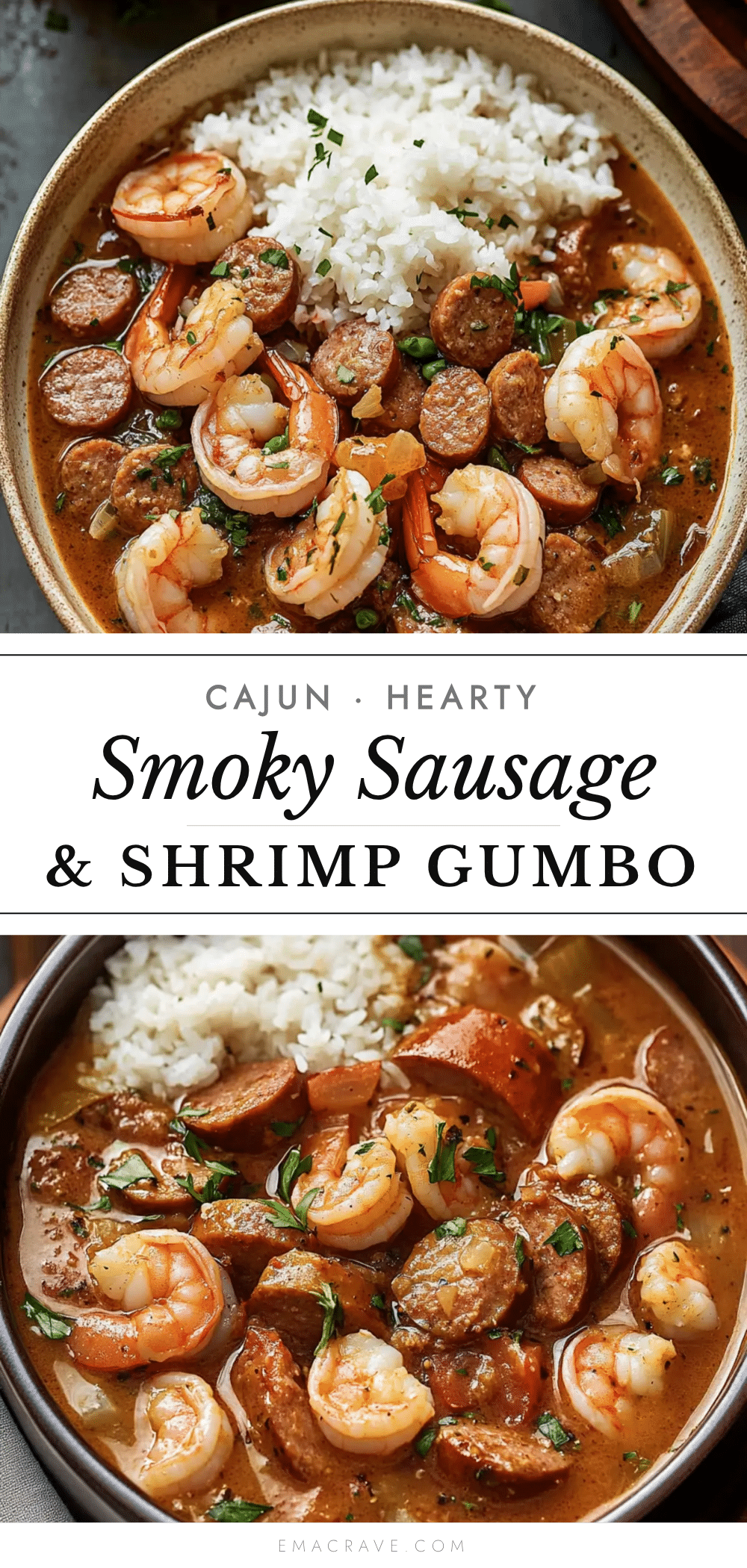
Best Classic Sausage and Shrimp Gumbo (Easy 1-Pot Recipe)

This Classic Sausage and Shrimp Gumbo is a one-pot wonder that delivers deep, layered flavor without hours of work. It’s forgiving enough for beginners and rewarding enough for seasoned cooks, featuring a streamlined roux method, smoky andouille sausage, and sweet shrimp in a velvety broth.
- Prep Time: 15 minutes
- Cook Time: 1 hour
- Total Time: 1 hour 15 minutes
- Yield: 6 servings 1x
- Category: Main Course
- Cuisine: Cajun
Ingredients
- 1/2 cup vegetable oil (or canola oil)
- 1/2 cup all-purpose flour (or 1:1 gluten-free flour blend for gluten-free)
- 1 large yellow onion, diced (about 1 1/2 cups)
- 1 green bell pepper, diced (about 1 cup)
- 3 celery stalks, diced (about 1 cup)
- 4 cloves garlic, minced
- 1 pound andouille sausage, sliced into 1/2-inch rounds
- 1 pound raw shrimp, peeled and deveined
- 6 cups low-sodium chicken broth (or seafood stock)
- 1 can (14.5 oz) diced tomatoes, undrained (fire-roasted preferred)
- 2 bay leaves
- 1 teaspoon dried thyme
- 1 teaspoon smoked paprika
- 1/2 teaspoon cayenne pepper (adjust to taste)
- 1/2 teaspoon black pepper
- 1 teaspoon salt (plus more to taste)
- 1 teaspoon filé powder (optional)
- Cooked white rice (for serving)
- Chopped green onions (for garnish)
- Hot sauce (optional, for serving)
Instructions
- Make the roux: In a Dutch oven, heat the vegetable oil over medium heat. Once it shimmers, whisk in the flour. Stir constantly with a wooden spoon for 15-20 minutes until the roux turns the color of milk chocolate and smells nutty. Do not let it burn.
- Sauté the vegetables: Add the diced onion, bell pepper, and celery to the roux. Stir to coat and cook for about 5 minutes until softened. Add the minced garlic and cook for 30 seconds until fragrant.
- Brown the sausage: Push the vegetable mixture to one side of the pot. Add the sliced andouille sausage in a single layer. Let it brown undisturbed for 3-4 minutes, then stir and cook for another 3 minutes until caramelized.
- Build the broth: Pour in the chicken broth and diced tomatoes with their juices. Stir well, scraping up any browned bits from the bottom. Add bay leaves, thyme, smoked paprika, cayenne, black pepper, and salt. Bring to a gentle boil.
- Simmer: Reduce heat to low and let the gumbo simmer uncovered for 30-35 minutes, stirring occasionally. Taste after 20 minutes and adjust seasoning if needed.
- Add the shrimp: Stir in the raw shrimp and cook for 3-5 minutes until pink and curled into a loose C shape. If using filé powder, stir it in now. Remove the bay leaves.
- Rest and serve: Remove from heat and let the gumbo rest for 5 minutes. Serve over cooked rice, garnished with chopped green onions and hot sauce if desired.
Notes
Don’t rush the roux—medium heat and constant stirring are key. Season in layers for best flavor. Shrimp cook quickly; watch them carefully to avoid overcooking. Gumbo tastes even better the next day; make it ahead if possible. For gluten-free, use a 1:1 gluten-free flour blend. For lower sodium, use low-sodium broth and reduce added salt.
Nutrition
- Serving Size: 1 serving (with rice
- Calories: 420
- Fat: 22
- Carbohydrates: 28
- Fiber: 3
- Protein: 28
Keywords: gumbo, sausage and shrimp gumbo, one-pot gumbo, Cajun gumbo, easy gumbo recipe, classic gumbo, andouille sausage gumbo, shrimp gumbo