Love this? Save it for later!
Share the inspiration with your friends
“You have to try this!” That’s what my coworker texted me late one Tuesday afternoon when I was already eyeing the clock, desperate for a snack that felt like a hug. Honestly, I was skeptical—sweet soy butter Korean rice cakes? It sounded like a strange mix, but the promise of something quick and satisfying was too tempting to ignore. When I finally made them that evening, the first bite was a surprise. The chewy rice cakes soaked up a luscious, buttery soy glaze that was sweet but not overpowering, with just a whisper of umami. It was like comfort food dressed up in something new, something I hadn’t expected but absolutely wanted again.
What really caught me was how simple it was. No complicated ingredients or long waits—just a handful of pantry staples coming together in a way that felt fresh. I’ve made these rice cakes multiple times since, sometimes for a quick solo snack, other times as a little showstopper when friends pop over unexpectedly. They’ve turned into a kind of secret weapon for those days when you want something tasty without fuss or guilt. The buttery soy flavor sticks with you—not in a heavy way, but like a quiet, delicious memory.
And here’s the thing: the recipe isn’t just about the rice cakes themselves. It’s about the little moments—the sizzle of butter in the pan, the smell of soy caramelizing, the soft chew that follows. Sweet soy butter Korean rice cakes have quietly taken their place in my rotation because they remind me that sometimes, the best flavors come from the simplest ideas done with care. No grand gestures, just honest, irresistible flavor that feels like a small reward at the end of a busy day.
Why You’ll Love This Recipe
After testing and tweaking this sweet soy butter Korean rice cakes recipe over several weeks, I’ve come to appreciate a few special things that make it stand out. This isn’t your everyday rice cake dish—it has layers of flavor and texture that keep you coming back for more.
- Quick & Easy: Ready in under 20 minutes, this recipe fits perfectly into busy evenings or last-minute snack attacks.
- Simple Ingredients: No need to hunt down exotic items—soy sauce, butter, rice cakes, and a touch of sugar are probably already in your kitchen.
- Great for Any Occasion: Whether it’s a casual solo treat, a cozy night in, or an unexpected guest, these rice cakes hit the spot every time.
- Crowd-Pleaser: I’ve served these to friends who usually shy away from Korean food, and they always ask for seconds.
- Unbelievably Delicious: The buttery, sweet, and savory balance creates a mouthfeel that’s chewy yet melt-in-your-mouth at the same time.
What sets this recipe apart is the way the butter and soy sauce combine to coat the rice cakes just right—no soggy mess, just a glossy, flavorful glaze. The secret is gently soaking the rice cakes so they absorb the sauce without getting mushy. Also, I like to finish with a sprinkle of toasted sesame seeds for a subtle crunch and that nutty aroma that ties everything together. It’s those little details that make this more than just another rice cake dish; it’s a recipe that feels thoughtfully crafted yet approachable.
When you make these sweet soy butter Korean rice cakes, you’re not just cooking—you’re creating a small moment of joy that’s easy to pull off any day of the week. It’s comfort food that’s simple, satisfying, and a little bit special.
What Ingredients You Will Need
This recipe uses simple, wholesome ingredients to deliver bold flavor and satisfying texture without the fuss. Most are pantry staples, making it easy to whip up without a special grocery run.
- Korean rice cakes (tteok), cylindrical or sliced: The chewy star of the show. I prefer fresh or refrigerated rice cakes for the best texture, but frozen ones work if thawed properly.
- Unsalted butter, 2 tablespoons: Adds richness and helps carry the soy sauce flavor. I like using Plugrá for a creamy finish.
- Soy sauce, 3 tablespoons: The savory backbone. Low-sodium is great if you want to keep salt in check.
- Brown sugar, 1 tablespoon: For that subtle caramel sweetness that balances the savory soy.
- Minced garlic, 1 teaspoon: Adds a mild punch of flavor but doesn’t overpower—fresh garlic is best here.
- Water, 2 tablespoons: Helps soften the rice cakes and creates the perfect sauce consistency.
- Toasted sesame seeds, 1 teaspoon: Optional but highly recommended for texture and aroma.
- Thinly sliced green onions, 1 tablespoon: For freshness and a pop of color.
If you want to switch things up, you can swap brown sugar for honey or maple syrup for a different sweetness profile. For a dairy-free option, use vegan butter or coconut oil, though the flavor will shift slightly. For gluten-free soy sauce, tamari is a great alternative.
Keep an eye out for firm, chewy rice cakes—soft ones can get mushy when cooked. If you’re curious about similar chewy, satisfying snacks, you might enjoy the crispy tofu bulgogi recipe on the site, which also features Korean flavors in a different form.
Equipment Needed
- Nonstick skillet or frying pan, about 10 inches (25 cm): Essential for cooking the rice cakes evenly without sticking.
- Wooden spoon or silicone spatula: To gently stir and coat the rice cakes without breaking them.
- Measuring spoons and cups: For precise amounts of soy sauce, butter, and sugar.
- Small bowl or ramekin: To mix the soy butter sauce before adding it to the pan.
- Tongs (optional): Helpful for turning rice cakes gently.
If you don’t have a nonstick pan, a well-seasoned cast iron skillet works but requires a bit more attention to prevent sticking. I learned the hard way that metal spoons can scrape off the pan’s coating, so silicone spatulas are my go-to. For budget-friendly options, a basic nonstick skillet around $15 will do just fine and last a long time with proper care.
Preparation Method
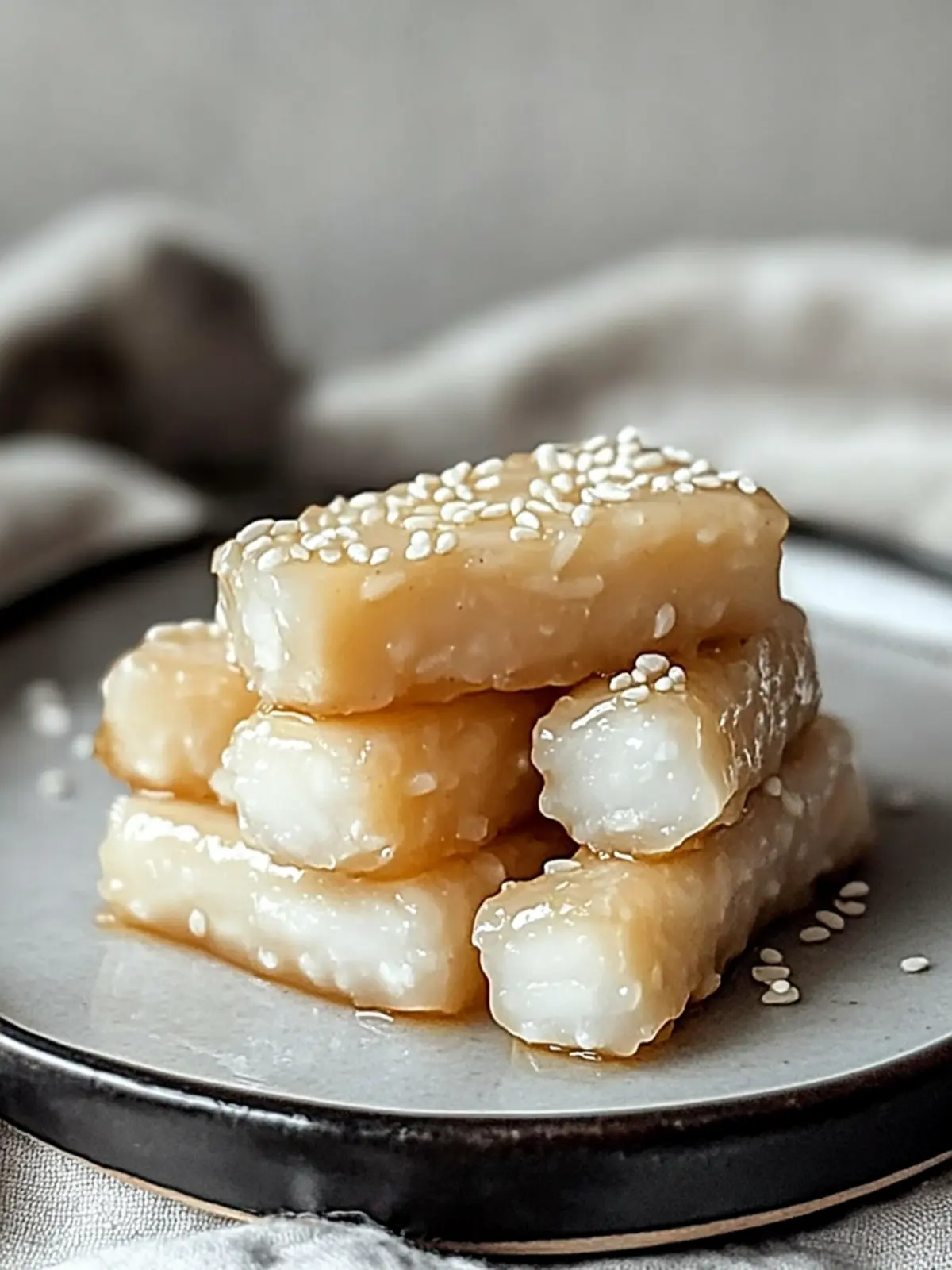
- Prepare the rice cakes: If using refrigerated or frozen rice cakes, soak them in warm water for 10 minutes to soften. Drain well before cooking. This step helps avoid a chewy or tough texture later. (Prep time about 10 minutes)
- Make the sweet soy butter sauce: In a small bowl, combine the soy sauce, brown sugar, minced garlic, and water. Stir until the sugar dissolves completely. This mix will become a glossy glaze coating the rice cakes.
- Melt the butter: Heat your skillet over medium heat and add the unsalted butter. Let it melt gently—watch for it to foam but not brown (about 1-2 minutes). The butter’s aroma should be rich and creamy.
- Add the rice cakes: Carefully place the drained rice cakes into the skillet. Stir gently using a wooden spoon or spatula to coat them with the melted butter. Cook for about 3-4 minutes, letting the rice cakes develop a slight golden crisp on the edges.
- Pour in the soy butter sauce: Pour the sauce mixture over the rice cakes and stir gently to coat evenly. Reduce heat to medium-low and cook for another 4-5 minutes, stirring occasionally. The sauce will thicken and cling to the rice cakes, creating that irresistible glossy finish. Watch for the rice cakes to puff slightly and become tender but still chewy.
- Finish and garnish: Remove from heat and sprinkle toasted sesame seeds and sliced green onions on top for added crunch and freshness. Serve immediately while warm.
Pro tip: If the sauce thickens too much or starts to stick, add a splash of water to loosen it up. Avoid high heat to prevent burning the butter or soy sauce. The perfect texture is tender rice cakes with a shiny, flavorful coating that isn’t sticky or dry.
Cooking Tips & Techniques
I’ve learned a few things the hard way making this recipe, which I’m happy to share so you can avoid common pitfalls. First, don’t rush the soaking step. Properly softened rice cakes cook up tender without turning gummy, which can happen if they’re still cold or frozen inside.
When melting butter, keep the heat moderate. Too hot and the butter burns, making the dish bitter. I usually keep the stove on medium and watch closely for those foamy bubbles to appear—then it’s ready for the rice cakes.
Stir gently but don’t overdo it. The rice cakes are delicate, and aggressive stirring or metal utensils can cause them to break apart. A silicone spatula or wooden spoon is your best friend here.
Timing matters. Let the rice cakes get a little color and crispness before adding the sauce—that contrast between soft and slightly crispy is what makes this dish really shine. Also, the sauce needs a few minutes to thicken and coat properly, so don’t rush that final step.
Want a little extra? Toast your sesame seeds in a dry pan for 1-2 minutes until fragrant before sprinkling to add a nutty aroma. I sometimes multitask by tossing together a quick side like savory pizza fries while these cook—both come together fast and satisfy cravings with bold flavors.
Variations & Adaptations
If you want to switch things up or accommodate different diets, this recipe is flexible and forgiving.
- Spicy twist: Add a teaspoon of gochujang (Korean chili paste) to the soy butter sauce for a sweet-heat combo. It’s a favorite variation I often make when craving a little kick.
- Vegan version: Use vegan butter or coconut oil and tamari (gluten-free soy sauce). The flavor shifts slightly but stays rich and satisfying.
- Dairy-free option: Swap out butter for olive oil or avocado oil for a lighter, healthier take. The texture won’t be quite as creamy, but it still tastes great.
- Herb garnish: Try fresh cilantro or basil instead of green onions for an herbaceous note—especially nice in summer.
- Differently shaped rice cakes: If you find flat or disk-shaped rice cakes, they work well too and cook a bit faster.
For a heartier meal, toss in some sliced mushrooms or baby spinach during the final cooking stage—both soak up the sauce nicely. Or serve alongside crispy tofu bulgogi for a Korean-inspired feast that’s rich in flavor and texture.
Serving & Storage Suggestions
Sweet soy butter Korean rice cakes are best served warm right from the pan. The glossy, sticky coating tastes heavenly when fresh, and the rice cakes have their signature chewy texture.
For a simple presentation, pile them on a small plate and garnish with toasted sesame seeds and green onions, maybe a few chili flakes for color. They pair wonderfully with a crisp cold drink or light soup to balance the richness.
Store any leftovers in an airtight container in the refrigerator for up to 2 days. To reheat, gently warm them in a skillet over low heat, adding a splash of water or butter if they feel dry. Microwaving works too but can make them a bit tougher.
Over time, the rice cakes can absorb more sauce, intensifying the flavor—but they’ll lose some of their initial crispness. If you enjoy cozy, chewy snacks, this slow flavor deepening might just become your favorite part.
Nutritional Information & Benefits
Per serving (approximate): 250 calories, 12g fat, 30g carbohydrates, 2g protein.
These rice cakes provide a satisfying source of energy with moderate carbs and fat from butter. The soy sauce adds a savory sodium punch, so keep that in mind if watching salt intake. Using low-sodium soy sauce can help balance this.
Rice cakes are naturally gluten-free, making this recipe suitable for gluten-sensitive eaters. The butter offers some vitamin A and fatty acids, and garlic brings antioxidants and immune-boosting properties.
Overall, this dish fits a balanced lifestyle when enjoyed in moderation—especially as a quick snack or side dish. It’s a nice alternative to heavier fried snacks or sugary treats.
Conclusion
Sweet soy butter Korean rice cakes are one of those recipes that quietly win you over with simple, honest flavor and a texture you can’t stop chewing on. They’re fast to make, use everyday ingredients, and feel a little special without any fuss. I love how versatile they are, whether as a solo snack, a conversation starter when friends drop by, or part of a larger Korean-inspired meal.
Feel free to tweak the sweetness, add a little spice, or swap ingredients to make this your own. This recipe has stuck around in my kitchen because it’s reliable, comforting, and surprisingly addictive. If you’ve enjoyed cozy treats like the sweet potato cheesecake cookies, you’ll appreciate how these rice cakes bring a comforting, chewy texture with a savory-sweet twist.
Give these a try, and let me know how you customize them. I’m always curious to hear new takes or little tips you’ve discovered along the way. Here’s to simple, satisfying snacks that feel a little like a quiet celebration.
FAQs About Sweet Soy Butter Korean Rice Cakes
Can I use frozen rice cakes for this recipe?
Yes, but make sure to thaw and soak them in warm water for about 10 minutes before cooking to soften and prevent toughness.
How do I prevent the rice cakes from sticking to the pan?
Use a nonstick skillet and cook over medium heat with enough butter or oil. Stir gently to avoid tearing the rice cakes.
Is there a gluten-free soy sauce alternative?
Tamari is a great gluten-free substitute that works well in this recipe and keeps the flavor balanced.
Can I make this recipe vegan?
Absolutely! Replace butter with vegan butter or coconut oil, and use tamari instead of regular soy sauce.
What should I serve with sweet soy butter Korean rice cakes?
They work well as a snack or side with light soups, steamed veggies, or Korean dishes like crispy tofu bulgogi for a fuller meal.
PrintSweet Soy Butter Korean Rice Cakes
A quick and easy recipe featuring chewy Korean rice cakes coated in a luscious, buttery soy glaze with a perfect balance of sweet and savory flavors.
- Prep Time: 10 minutes
- Cook Time: 10 minutes
- Total Time: 20 minutes
- Yield: 2 servings 1x
- Category: Snack
- Cuisine: Korean
Ingredients
- Korean rice cakes (tteok), cylindrical or sliced, about 8 ounces
- 2 tablespoons unsalted butter
- 3 tablespoons soy sauce (low-sodium recommended)
- 1 tablespoon brown sugar
- 1 teaspoon minced garlic
- 2 tablespoons water
- 1 teaspoon toasted sesame seeds (optional)
- 1 tablespoon thinly sliced green onions
Instructions
- If using refrigerated or frozen rice cakes, soak them in warm water for 10 minutes to soften. Drain well before cooking.
- In a small bowl, combine soy sauce, brown sugar, minced garlic, and water. Stir until sugar dissolves completely.
- Heat a nonstick skillet over medium heat and add the unsalted butter. Melt gently until foamy but not browned, about 1-2 minutes.
- Add the drained rice cakes to the skillet. Stir gently with a wooden spoon or silicone spatula to coat with butter. Cook for 3-4 minutes until edges develop a slight golden crisp.
- Pour the soy butter sauce over the rice cakes and stir gently to coat evenly. Reduce heat to medium-low and cook for another 4-5 minutes, stirring occasionally, until sauce thickens and rice cakes puff slightly and become tender but chewy.
- Remove from heat and sprinkle toasted sesame seeds and sliced green onions on top. Serve immediately while warm.
Notes
Soak rice cakes properly to avoid toughness. Use medium heat to prevent burning butter. Stir gently to avoid breaking rice cakes. Toast sesame seeds before garnishing for extra aroma. Add a splash of water if sauce thickens too much.
Nutrition
- Serving Size: About 4 ounces (half
- Calories: 250
- Sugar: 8
- Sodium: 700
- Fat: 12
- Saturated Fat: 7
- Carbohydrates: 30
- Fiber: 1
- Protein: 2
Keywords: Korean rice cakes, tteokbokki, sweet soy butter, quick snack, easy Korean recipe, savory sweet glaze