Love this? Save it for later!
Share the inspiration with your friends
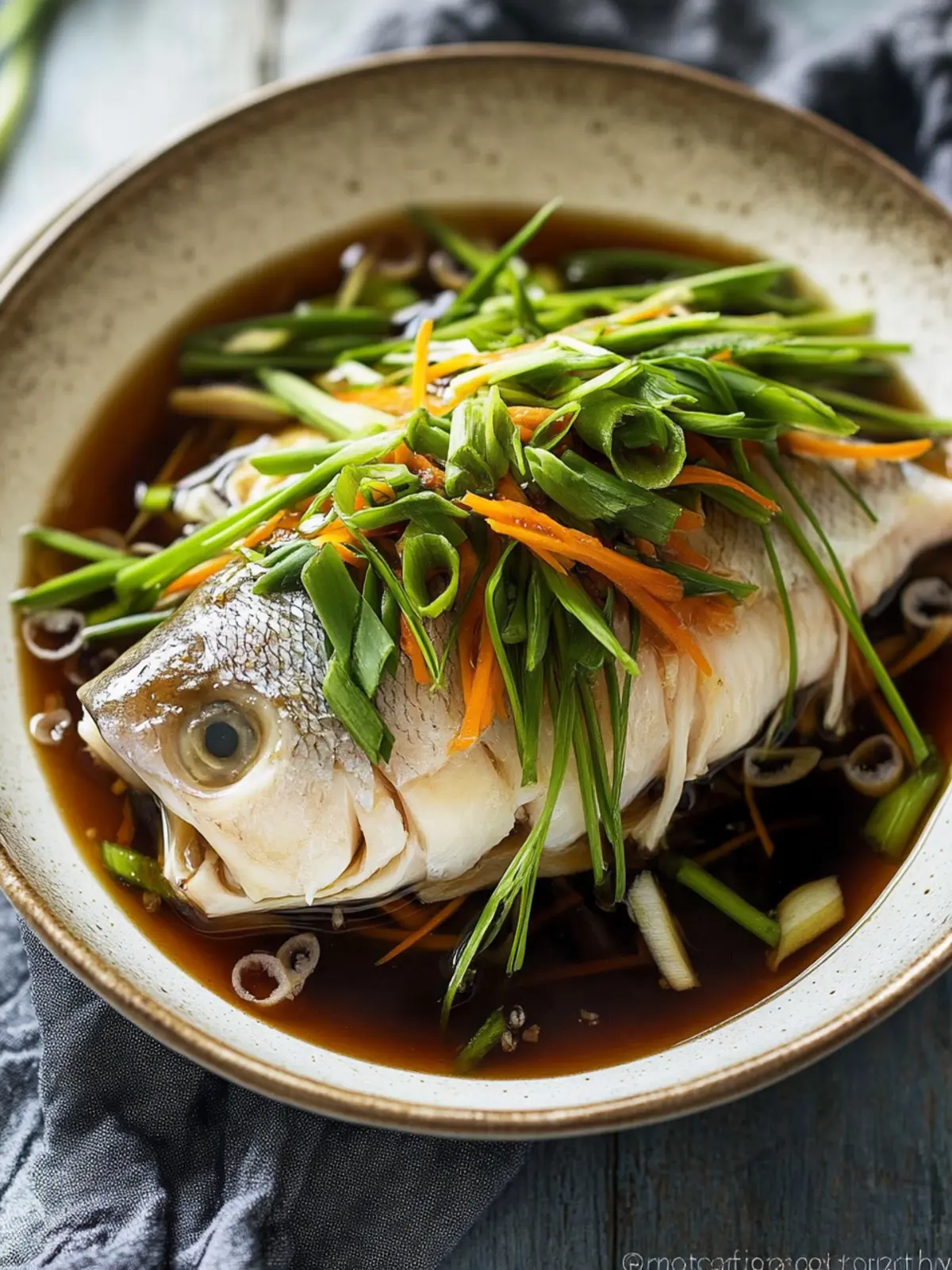
The first time I made this flaky ginger soy steamed fish, I was honestly just trying to use up a fillet of sea bass before it went bad. It had been a long week, and the last thing I wanted was an elaborate cooking project. I had some ginger wilting in the fridge drawer and a half-used bottle of soy sauce staring at me from the counter. So I just threw it all together. I sliced the ginger thin, drizzled the soy, and steamed it while I boiled some rice. I didn’t expect much — maybe a boring, healthy dinner that I’d eat while scrolling on my phone. But when I lifted the lid off the steamer, the smell hit me. It was fragrant and warm, like something from a really good restaurant. And the fish, it was so tender it practically fell apart just from me looking at it.
That first bite stopped me mid-scroll. The ginger had softened into these little sweet-spicy bites, and the soy sauce had turned into this light, savory broth pooling around the fish. It was simple, sure, but it was also kind of perfect. I ate the whole thing in about four minutes flat. I made it again two days later, then again the following week. Each time, I got a little faster and a little more confident. I started adding a splash of sesame oil. I tried it with a pinch of sugar in the sauce. I swapped the fish depending on what looked good at the store. And every single time, it worked. That’s the thing about this flaky ginger soy steamed fish — it’s forgiving. It’s fast. And it makes you feel like you actually know what you’re doing in the kitchen, even on the tiredest of nights.
This isn’t a recipe that needs a long backstory or a special occasion. It’s the kind of dinner you make when you want something that tastes like you tried, without actually having to try that hard. And honestly, that’s my favorite kind of recipe to keep around.
Why You’ll Love This Recipe
I’ve tested this flaky ginger soy steamed fish more times than I can count, and I keep coming back because it delivers every single time. It’s one of those rare recipes that feels both effortless and impressive, which is exactly what I need on a busy weeknight.
- Quick & Easy: From start to finish, this dish comes together in about 20 minutes. That includes slicing the ginger and prepping the steamer. It’s faster than ordering takeout, and way better for you.
- Simple Ingredients: You don’t need a special trip to an Asian market or a pantry full of obscure sauces. Fresh ginger, soy sauce, a neutral oil, and a good fillet of fish are all you really need. Chances are, you already have most of it.
- Perfect for Weeknights: Whether you’re cooking for one or feeding a small family, this recipe scales beautifully. It’s light enough for a warm evening but satisfying enough for a cozy dinner, especially if you serve it over a bowl of fluffy rice.
- Crowd-Pleaser: I’ve served this to friends who claimed they didn’t really like fish, and they went back for seconds. The ginger and soy combo is familiar and comforting, not intimidating.
- Unbelievably Delicious: The texture is the real star here. The fish turns out silky and flaky, practically melting into the savory ginger-soy broth. It’s comfort food that happens to be healthy, which feels like a win-win.
What makes this version different from all the other steamed fish recipes out there? It’s the balance. I’ve played with the ginger-to-soy ratio, the steaming time, and the finishing touch of hot oil. The result is a dish that’s perfectly seasoned, never watery, and always tender. This isn’t just another steamed fish — it’s the one you’ll actually want to make on a Tuesday night.
What Ingredients You Will Need
This flaky ginger soy steamed fish relies on a handful of fresh, simple ingredients. Each one plays a specific role in building flavor and texture, so it’s worth paying attention to quality here.
For the Fish
- Fish fillets (1 to 1.5 lbs total): I prefer firm, white-fleshed fish like sea bass, cod, or tilapia. They hold up well to steaming and flake beautifully. If you can get fresh fillets, even better. For frozen, just make sure they’re fully thawed and patted dry before cooking.
- Fresh ginger (a 2-inch piece): This is non-negotiable. Peel it and slice it into thin matchsticks or rounds. The ginger infuses the fish with a warm, slightly spicy flavor as it steams. I’ve tried using ground ginger in a pinch, and it’s just not the same.
- Green onions (3 to 4 stalks): Slice them into thin strips, both the white and green parts. They add a mild oniony bite and a pop of color.
For the Sauce
- Low-sodium soy sauce (3 tablespoons): This is your main seasoning. Low-sodium is key so you can control the saltiness. If you’re gluten-free, tamari or coconut aminos work perfectly here.
- Toasted sesame oil (1 teaspoon): Just a little goes a long way. It adds a nutty, aromatic depth that rounds out the soy sauce. Don’t skip it.
- Neutral oil (2 tablespoons): You’ll use this for the final sizzle. Avocado oil or grapeseed oil are great choices because they have a high smoke point and a clean flavor. Vegetable oil works too.
- Optional: A pinch of sugar (about ¼ teaspoon): This balances the saltiness of the soy sauce. You won’t taste it as sweetness, but it makes the sauce taste more rounded.
For Serving (Optional but Recommended)
- Steamed jasmine rice or brown rice: The rice soaks up all that delicious ginger-soy broth. It’s practically mandatory in my house.
- Fresh cilantro or Thai basil: A handful of chopped herbs on top adds freshness and color.
- Sliced red chili or chili oil: If you like heat, this is a great way to add a kick.
I personally recommend using wild-caught cod or sea bass if you can find it. The texture is just firmer and sweeter. For a more budget-friendly option, tilapia works beautifully and is widely available. Just look for fillets that are evenly thick so they cook at the same rate.
Equipment Needed
You don’t need a fancy steamer basket for this flaky ginger soy steamed fish. In fact, most of the equipment is probably already in your kitchen. Here’s what you’ll need:
- A large skillet or wok with a tight-fitting lid: This is your makeshift steamer. You’ll add water to the pan, place a heat-proof plate or rack inside, and let the steam do the work. A 12-inch skillet works well for two fillets.
- A heat-proof plate or shallow bowl: This holds the fish above the water. Make sure it fits inside your skillet or wok. A ceramic dinner plate or a glass pie dish works perfectly.
- A small saucepan: You’ll use this to heat the oil for the final sizzle. A tiny pot is fine.
- A sharp knife or mandoline: For slicing the ginger into thin matchsticks. A sharp knife is safer and gives you more control. A mandoline is faster but be careful with your fingers.
- Tongs or a spatula: For handling the hot plate and the cooked fish.
If you don’t have a wok, a deep sauté pan with a lid works just as well. The key is creating a sealed environment where steam can circulate. I’ve even used a large pot with a metal colander inside when I was traveling. It’s not fancy, but it gets the job done. For the oil, a small stainless steel saucepan is my go-to because it heats evenly and quickly. Just don’t walk away from it — hot oil can go from perfect to smoky in seconds.
Preparation Method
This flaky ginger soy steamed fish comes together in about 20 minutes. The steps are straightforward, but a few small details make a big difference. Here’s exactly how I do it.
- Prep the fish: Start by patting your fish fillets dry with paper towels. This removes excess moisture and helps the seasoning stick. Place the fillets on your heat-proof plate in a single layer, skin-side down if they have skin. Season lightly with a pinch of salt and white pepper if you have it (black pepper works too).
- Slice the aromatics: Peel the ginger and slice it into thin matchsticks. You want them about 1-inch long and as thin as you can manage. Slice the green onions into thin strips, separating the white parts from the green tops. Scatter half of the ginger and the white parts of the green onions over the fish.
- Make the sauce: In a small bowl, whisk together the low-sodium soy sauce, toasted sesame oil, and the pinch of sugar (if using). Pour this mixture evenly over the fish fillets. Don’t worry if it pools a little on the plate — that’s the broth you’ll want later.
- Set up the steamer: Pour about 1 inch of water into your large skillet or wok. Bring it to a gentle simmer over medium heat. Place a small heat-proof rack or an upside-down heat-proof bowl in the center of the pan. Carefully set the plate with the fish on top of the rack. The water should not touch the bottom of the plate. If it does, pour a little out.
- Steam the fish: Cover the skillet or wok tightly with the lid. If your lid has a steam vent, cover it with a piece of foil to keep the steam inside. Steam the fish over medium heat for 8 to 12 minutes, depending on the thickness of your fillets. A 1-inch thick fillet usually takes about 10 minutes. The fish is done when it flakes easily with a fork and is opaque all the way through. If you have an instant-read thermometer, the internal temperature should be 145°F (63°C).
- Prepare the hot oil: While the fish steams, heat the neutral oil in a small saucepan over medium-high heat. You want it hot — shimmering and almost smoking, but not burning. This takes about 2 minutes.
- Finish the dish: Once the fish is done, carefully remove the plate from the steamer using tongs or an oven mitt. Scatter the remaining ginger and the green onion tops over the hot fish. Slowly and carefully pour the hot oil over the ginger and green onions. You’ll hear a satisfying sizzle as the aromatics bloom. Serve immediately over steamed rice, spooning the ginger-soy broth from the plate over the top.
One thing I learned the hard way: don’t over-steam the fish. It goes from perfectly flaky to dry and rubbery really fast. If you’re unsure, err on the side of under-done. You can always steam it for another minute, but you can’t un-cook it.
Cooking Tips & Techniques
Over the years, I’ve made this flaky ginger soy steamed fish more times than I can count, and I’ve definitely made my share of mistakes. Here are the tips I wish someone had told me from the start.
Don’t crowd the plate. If you’re cooking for more than two people, use two separate plates or steam in batches. Overlapping fillets trap steam unevenly, and some parts will overcook while others stay raw. Give each fillet its own space.
Use a timer, but trust your eyes. The thickness of your fillets determines the cooking time. A thin tilapia fillet might be done in 6 minutes, while a thick cod loin could take 12. Start checking at the 8-minute mark. The fish should be opaque and flake easily when you press it gently with a fork. If it still looks translucent in the center, give it another minute.
Hot oil is the secret weapon. That final pour of sizzling oil isn’t just for show. It cooks the raw ginger and green onions on top, releasing their essential oils and creating a fragrant, almost smoky aroma. Make sure the oil is really hot — if it’s just warm, you won’t get that sizzle, and the aromatics will taste raw. I’ve made that mistake, and it’s disappointing.
Keep the lid on. Every time you lift the lid during steaming, you release heat and steam. This extends the cooking time and can lead to uneven results. If you need to check the fish, do it quickly and put the lid back on right away.
Multitask wisely. Start your rice before you prep the fish. By the time the fish is done, the rice will be ready. If you’re making a quick side like steamed bok choy or a simple salad, prep it while the fish steams. The actual hands-on time for this recipe is about 5 minutes — the rest is just waiting.
One of my biggest failures? The first time I made this, I used a non-stick skillet that was too small. The fish hung over the edge of the plate, and it didn’t steam evenly. Half of it was perfect, the other half was rubbery. Now I always use a plate that fits comfortably inside the pan with room to spare.
Variations & Adaptations
This flaky ginger soy steamed fish is incredibly adaptable. I’ve played around with different ingredients and methods, and here are some of my favorite variations.
- Spicy Ginger Soy Fish: Add 1 to 2 teaspoons of chili garlic sauce or sambal oelek to the soy sauce mixture before pouring it over the fish. The heat cuts through the richness of the fish beautifully. For an extra kick, garnish with sliced fresh red chili before pouring the hot oil.
- Citrus-Ginger Fish: Squeeze the juice of half a lime or lemon over the fish before steaming, and add a few thin slices of the citrus to the plate alongside the ginger. The acidity brightens the whole dish and pairs especially well with salmon or trout.
- Herb-Infused Version: Lay a few sprigs of cilantro, Thai basil, or dill on top of the fish before steaming. The herbs infuse the fish with a subtle, fresh flavor. After steaming, remove the wilted sprigs and garnish with fresh herbs.
- Dietary Adaptations: This recipe is naturally gluten-free if you use tamari or coconut aminos instead of soy sauce. It’s also dairy-free and low-carb. For a lower-sodium option, use low-sodium soy sauce and skip the added salt.
- Different Fish Options: Salmon works beautifully here, though it has a richer flavor. Just adjust the steaming time to about 10 minutes for a 1-inch thick fillet. Halibut and snapper are also excellent choices. I’ve even made this with frozen cod fillets (thawed and patted dry), and it turned out great.
My personal favorite variation is the citrus-ginger version. I add a few thin slices of Meyer lemon on top of the fish, and the steam makes the lemon peel slightly candied. It’s a small twist, but it feels special without any extra effort.
Serving & Storage Suggestions
This flaky ginger soy steamed fish is best served immediately, right out of the steamer. The texture is at its peak — silky, flaky, and warm. Here’s how I like to serve it and how to handle leftovers if you have any (which is rare in my house).
Serving: Serve the fish directly from the steaming plate, or carefully transfer it to a serving platter. Spoon the ginger-soy broth from the plate over the top. I always serve it over a bed of steamed jasmine rice, which soaks up all that flavorful liquid. A side of steamed bok choy, sautéed spinach, or a simple cucumber salad rounds out the meal beautifully. For drinks, a cold glass of Sauvignon Blanc or a light lager pairs perfectly with the ginger and soy.
Storage: If you have leftovers, let the fish cool completely, then transfer it to an airtight container. Pour any remaining broth over the fish to keep it moist. Store it in the refrigerator for up to 2 days. The fish will lose some of its delicate texture, but the flavor will still be good.
Reheating: The best way to reheat is gently. Place the fish in a microwave-safe dish, cover it with a damp paper towel, and microwave in 30-second bursts until just warmed through. Alternatively, you can reheat it in a steamer for 2 to 3 minutes. Avoid high heat, which will dry out the fish. I don’t recommend freezing this dish — the texture of thawed fish is never quite the same after steaming.
One thing I’ve noticed: the flavors actually meld together even more overnight. The ginger and soy soak into the fish, making it even more savory the next day. It’s great flaked over a bowl of rice for a quick lunch.
Nutritional Information & Benefits
This flaky ginger soy steamed fish is not just delicious — it’s also packed with nutrients. Here’s a rough estimate per serving (based on 4 servings, using cod fillets):
- Calories: Approximately 220
- Protein: 32g
- Fat: 10g (mostly from the healthy oils)
- Carbohydrates: 3g
- Sodium: 680mg (varies with soy sauce)
Health Benefits: Fish like cod, sea bass, and tilapia are excellent sources of lean protein and omega-3 fatty acids, which support heart health and brain function. Ginger is a natural anti-inflammatory and can aid digestion. The soy sauce provides a savory umami flavor with minimal calories. This dish is naturally low in carbs and can easily fit into a gluten-free or dairy-free diet.
Dietary Considerations: As written, this recipe is low-carb, dairy-free, and nut-free. To make it gluten-free, swap the soy sauce for tamari or coconut aminos. If you’re watching your sodium, use low-sodium soy sauce and skip the added salt. Always check the labels on your ingredients if you have specific allergies.
I personally love that this meal feels light but still satisfying. It’s the kind of dinner that doesn’t weigh you down, even if you eat a generous portion over rice. And honestly, that’s a win in my book.
Conclusion
This flaky ginger soy steamed fish has become a staple in my kitchen for good reason. It’s fast, it’s forgiving, and it tastes like something you’d order at a nice restaurant — without the wait or the bill. The combination of tender, flaky fish with that fragrant ginger-soy broth is just unbeatable, especially when you pour that sizzling hot oil over the top at the end. It’s one of those small moments that makes cooking feel genuinely rewarding.
I really hope you give this recipe a try. Don’t be afraid to tweak it to your liking — add more ginger if you love the heat, swap in your favorite fish, or throw in some chili if you want a kick. That’s the beauty of a simple recipe like this. It’s a solid foundation, but it’s also a canvas for your own preferences.
If you make this flaky ginger soy steamed fish, I’d love to hear how it turned out. Leave a comment below and let me know what fish you used, or if you tried any fun variations. And if you’re looking for another quick and comforting weeknight meal, you might enjoy this cozy creamy mushroom coconut curry or these creamy coconut garlic shrimp bowls. Happy cooking!
Frequently Asked Questions
Can I use frozen fish for this recipe?
Yes, you can. Just make sure to thaw the fillets completely in the refrigerator overnight, then pat them very dry with paper towels before seasoning. Frozen fish tends to release more water during steaming, so drying them well is extra important to avoid a watery broth.
What if I don’t have a steamer or a wok?
No problem at all. You can use any large pot with a tight-fitting lid. Place a heat-proof plate upside down in the bottom of the pot, or use a metal colander that fits inside. The key is creating a sealed environment where steam can circulate around the fish.
Can I make this recipe with salmon?
Absolutely. Salmon works beautifully with ginger and soy. It has a richer flavor than white fish, so you might want to add a little extra ginger to balance it. Adjust the steaming time to about 10 minutes for a 1-inch thick fillet.
How do I know when the fish is fully cooked?
The fish is done when it flakes easily with a fork and is opaque all the way through. If you have an instant-read thermometer, the internal temperature should reach 145°F (63°C). Start checking at the 8-minute mark to avoid overcooking.
Can I make the sauce ahead of time?
Yes, you can whisk together the soy sauce, sesame oil, and sugar up to a day in advance. Store it in an airtight container in the refrigerator. Just give it a quick stir before pouring it over the fish. The fresh ginger and green onions are best sliced right before cooking for maximum flavor.
Pin This Recipe!
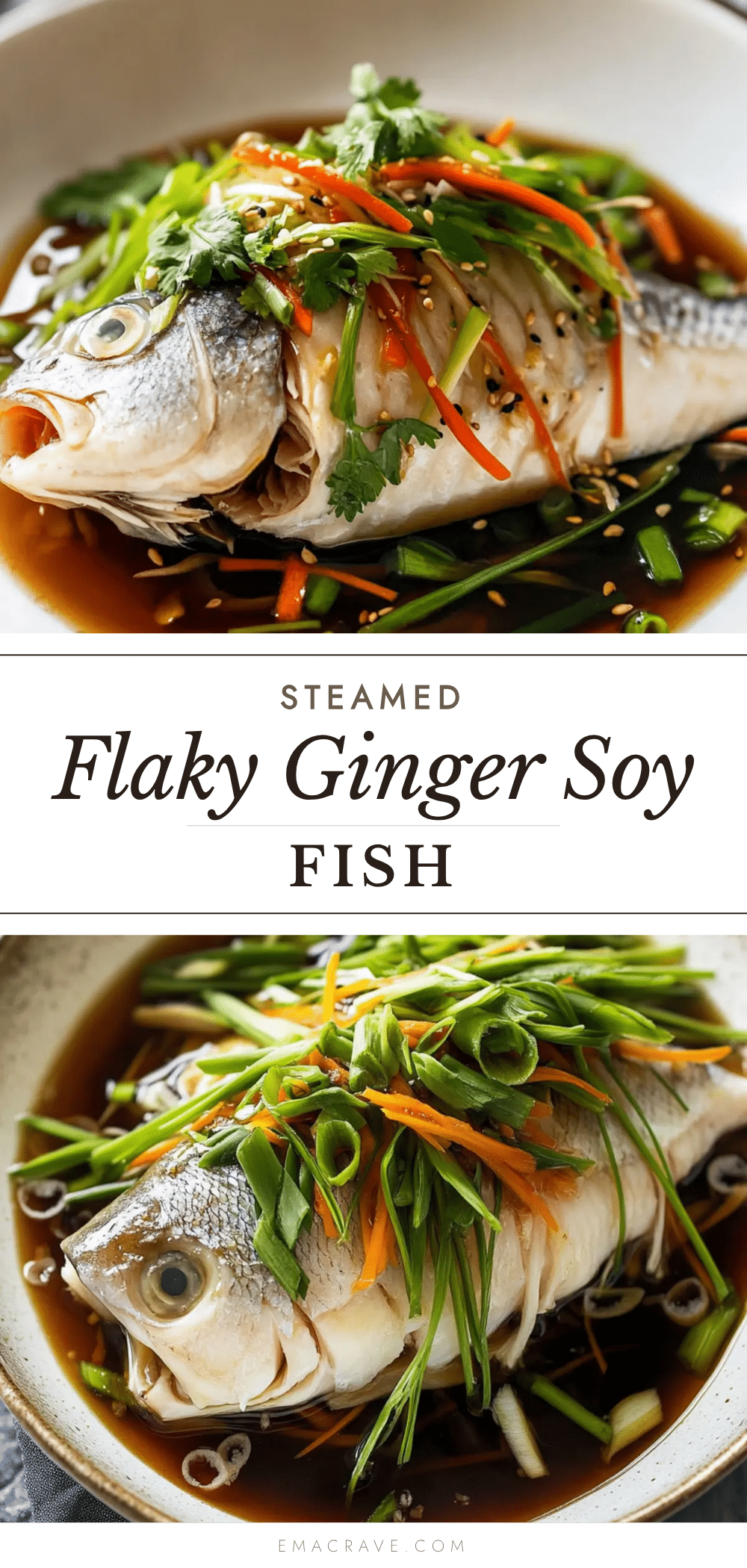
Easy Flaky Ginger Soy Steamed Fish: Perfect 20-Minute Dinner
This flaky ginger soy steamed fish is a quick, forgiving, and delicious weeknight dinner. Tender white fish is steamed with fresh ginger and a savory soy sauce, then finished with a sizzle of hot oil for an aromatic, restaurant-quality meal in just 20 minutes.
- Prep Time: 10 minutes
- Cook Time: 10 minutes
- Total Time: 20 minutes
- Yield: 4 servings 1x
- Category: Main Course
- Cuisine: Asian
Ingredients
- 1 to 1.5 lbs fish fillets (sea bass, cod, or tilapia)
- 2-inch piece fresh ginger, peeled and sliced into thin matchsticks
- 3 to 4 green onions, sliced into thin strips (white and green parts separated)
- 3 tablespoons low-sodium soy sauce
- 1 teaspoon toasted sesame oil
- 2 tablespoons neutral oil (avocado, grapeseed, or vegetable oil)
- ¼ teaspoon sugar (optional)
- Salt and white pepper (or black pepper) to taste
- Steamed jasmine rice or brown rice (for serving)
- Fresh cilantro or Thai basil (optional, for garnish)
- Sliced red chili or chili oil (optional, for heat)
Instructions
- Pat the fish fillets dry with paper towels. Place them on a heat-proof plate in a single layer, skin-side down if they have skin. Season lightly with salt and white pepper (or black pepper).
- Scatter half of the ginger matchsticks and the white parts of the green onions over the fish.
- In a small bowl, whisk together the low-sodium soy sauce, toasted sesame oil, and sugar (if using). Pour the mixture evenly over the fish.
- Pour about 1 inch of water into a large skillet or wok and bring to a gentle simmer over medium heat. Place a small heat-proof rack or an upside-down heat-proof bowl in the center. Carefully set the plate with the fish on top of the rack, ensuring the water does not touch the bottom of the plate.
- Cover tightly with a lid (cover any steam vent with foil). Steam over medium heat for 8 to 12 minutes, depending on the thickness of the fillets. The fish is done when it flakes easily with a fork and is opaque all the way through (internal temperature of 145°F / 63°C).
- While the fish steams, heat the neutral oil in a small saucepan over medium-high heat until shimmering and almost smoking (about 2 minutes).
- Carefully remove the plate from the steamer. Scatter the remaining ginger and green onion tops over the hot fish. Slowly and carefully pour the hot oil over the ginger and green onions (it will sizzle). Serve immediately over steamed rice, spooning the ginger-soy broth from the plate over the top.
Notes
Don’t crowd the plate; steam in batches if needed. Use a timer but check for doneness at 8 minutes. The hot oil is essential for blooming the aromatics. Keep the lid on during steaming to maintain heat. Start rice before prepping the fish for efficient multitasking.
Nutrition
- Serving Size: 1 serving (about 6 o
- Calories: 220
- Sugar: 1
- Sodium: 680
- Fat: 10
- Saturated Fat: 1.5
- Carbohydrates: 3
- Protein: 32
Keywords: steamed fish, ginger soy fish, easy fish recipe, 20-minute dinner, healthy fish, flaky fish, weeknight dinner