Love this? Save it for later!
Share the inspiration with your friends
The bag of frozen chicken strips was staring at me from the freezer. It was one of those Tuesday nights where takeout sounded perfect but my wallet said absolutely not. I had this craving for something sticky, something sweet, something with that glossy dark sauce you only get from the Chinese takeout place across town. You know the one — where the spare ribs are so tender they barely hold together and the sauce coats every single bite.
I didn’t have spare ribs though. What I had was boneless chicken thighs, a bottle of hoisin sauce I bought on a whim, and a desperate hope that it would work. Honestly, the first attempt was a little messy. The sauce was too thin, the chicken didn’t caramelize properly, and I sat there eating it straight from the pan thinking, “Close, but not quite.” So I tried again the next week. Then again the week after that. By the third try, I had it — that perfect balance of sticky, savory, and just a little sweet. The kind of sticky Chinese boneless spare ribs that make you forget you’re eating chicken and not the real thing.
My neighbor texted me after I dropped off a container. She said her kids asked if she bought it from a restaurant. That’s when I knew this recipe was sticking around.
Why You’ll Love This Recipe
Let me tell you why this one is different from every other Asian-inspired chicken recipe you have bookmarked.
- Quick & Easy: From fridge to table in under 30 minutes. Seriously, it’s faster than waiting for delivery.
- Simple Ingredients: No trips to a specialty store. Everything is either in your pantry or at the regular grocery store.
- Perfect for Weeknights: This is the kind of dinner that feels special but requires almost zero effort.
- Crowd-Pleaser: I have yet to meet a person who doesn’t go back for seconds. Kids, adults, picky eaters — it works.
- Unbelievably Sticky: The sauce reduces into this thick, glossy coating that clings to every piece of chicken like it was made for it.
What makes this recipe special is the technique. Most versions either boil the chicken in sauce (which gets watery) or use too much cornstarch (which gets gummy). I figured out the sweet spot — searing the chicken first for texture, then letting the sauce reduce just enough to get that perfect sticky consistency. It’s not just another easy dinner. It’s the easy dinner you will keep coming back to.
And honestly? There is something deeply satisfying about making takeout classics at home. You control the sweetness, the saltiness, and exactly how sticky you want it. No mystery ingredients, no hidden MSG if you don’t want it. Just pure, unapologetic comfort food that hits every single craving.
What Ingredients You Will Need
This recipe uses simple, everyday ingredients to create that signature sticky-savory flavor. Most of these are pantry staples, which is exactly why this recipe works so well for last-minute dinners.
- Boneless chicken thighs (1.5 lbs / 680g) — I prefer thighs over breasts here because they stay juicy and tender. The extra fat content also helps the sauce stick better. If you only have breasts, go for it, but watch the cooking time so they don’t dry out.
- Cornstarch (3 tablespoons) — This is the secret to that sticky coating. It helps the sauce cling to the chicken and gives it that slight gloss.
- Soy sauce (¼ cup / 60ml) — Use regular or low-sodium. I usually go with low-sodium so I can control the salt level. Tamari works great if you need gluten-free.
- Hoisin sauce (3 tablespoons) — This is non-negotiable for that authentic Chinese takeout flavor. I like the Kikkoman or Lee Kum Kee brands. It adds sweetness, depth, and that dark color.
- Honey (2 tablespoons) — Adds natural sweetness and helps with the stickiness. You can substitute with brown sugar if you’re out.
- Rice vinegar (1 tablespoon) — A little acidity to balance all that sweetness. Apple cider vinegar works in a pinch.
- Garlic (4 cloves, minced) — Fresh garlic makes a big difference here. Don’t use the jarred stuff if you can help it.
- Ginger (1 tablespoon, freshly grated) — Adds that warm, aromatic kick that makes Chinese food taste authentic.
- Toasted sesame oil (1 teaspoon) — A little goes a long way. It adds that nutty, fragrant finish.
- Green onions (3-4, sliced) — For garnish and a fresh pop of color.
- Sesame seeds (1 tablespoon, optional) — For that restaurant-style presentation.
For the sauce, I recommend whisking everything together before you start cooking. It makes the process so much smoother. If you want a little heat, add half a teaspoon of red pepper flakes or a squirt of sriracha.
Equipment Needed
You don’t need any fancy equipment for this one. Here is what I use:
- Large skillet or wok (12-inch / 30cm) — A non-stick or well-seasoned cast iron works best. I use my trusty carbon steel wok for that authentic high-heat cooking.
- Mixing bowls — One medium bowl for the sauce, one large bowl for tossing the chicken with cornstarch.
- Whisk — For mixing the sauce ingredients together smoothly.
- Sharp knife and cutting board — For mincing garlic, grating ginger, and slicing green onions.
- Wooden spoon or spatula — For stirring and flipping the chicken.
- Tongs — Makes flipping the chicken pieces much easier than a spatula.
If you don’t have a wok, don’t worry. A regular large skillet works perfectly fine. The key is having enough surface area so the chicken browns instead of steaming.
Preparation Method
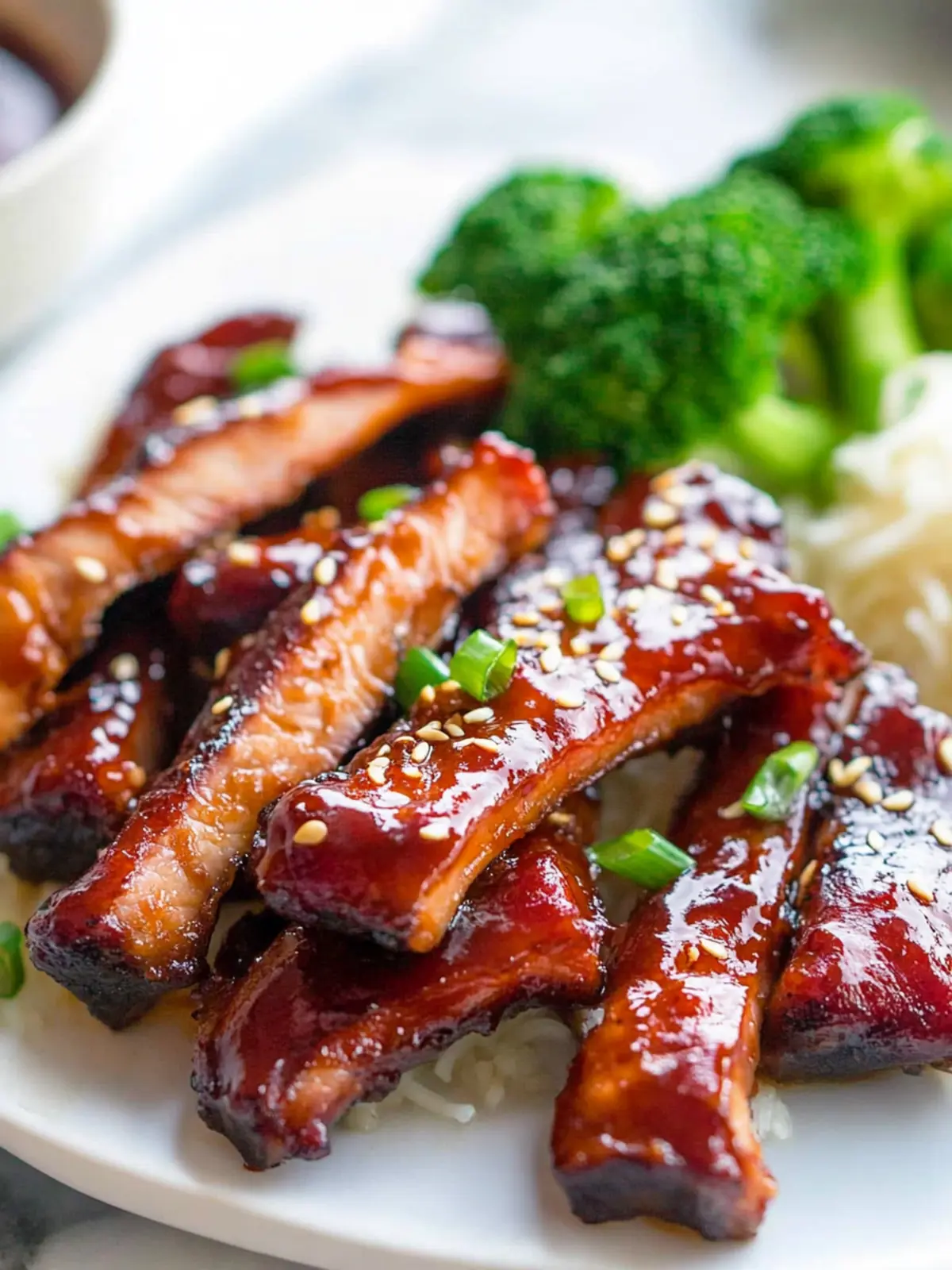
Let’s get cooking. This comes together fast, so have everything prepped and ready before you turn on the heat.
- Prep the chicken. Pat the chicken thighs dry with paper towels. Cut them into bite-sized pieces, about 1.5-inch chunks. Place them in a large bowl and sprinkle with cornstarch. Toss well until every piece is lightly coated. This step is crucial for that sticky texture.
- Make the sauce. In a medium bowl, whisk together the soy sauce, hoisin sauce, honey, rice vinegar, minced garlic, and grated ginger. Set it aside. Give it a taste — it should be sweet, salty, and a little tangy. Adjust the honey or soy sauce to your preference.
- Sear the chicken. Heat your skillet or wok over medium-high heat. Add a tablespoon of oil (vegetable or avocado oil works great). Once the oil is shimmering, add the chicken pieces in a single layer. Don’t overcrowd the pan — work in batches if needed. Let them cook undisturbed for 3-4 minutes until golden brown. Flip and cook another 3-4 minutes. The chicken should be cooked through and slightly crispy on the edges.
- Add the sauce. Pour the sauce mixture over the cooked chicken. Stir well to coat every piece. Reduce the heat to medium-low. Let it simmer for 5-7 minutes, stirring occasionally. You will notice the sauce starting to thicken and become glossy. This is where the magic happens.
- Finish with sesame oil. Once the sauce has reduced to a thick, sticky consistency that clings to the chicken, drizzle in the toasted sesame oil. Stir to combine. Turn off the heat.
- Garnish and serve. Sprinkle with sliced green onions and sesame seeds. Serve immediately over steamed rice or noodles.
A few things to watch for: If the sauce gets too thick too quickly, add a tablespoon of water to loosen it up. If it’s not thickening enough, let it simmer another minute or two. The sauce should coat the back of a spoon when it’s ready.
Cooking Tips & Techniques
I learned most of these through trial and error — and a few sticky messes in my kitchen.
Pat the chicken dry. This is the number one tip I can give you. Wet chicken won’t brown properly, and it will steam instead of sear. Take the extra 30 seconds to blot it dry with paper towels.
Don’t skip the cornstarch coating. I tried making this without cornstarch once because I was in a hurry. The sauce slid right off the chicken like it was wearing a raincoat. The cornstarch gives the sauce something to grab onto, and it helps create that signature sticky coating.
High heat is your friend. When searing the chicken, don’t be afraid of a hot pan. You want that golden-brown crust. If your pan isn’t hot enough, the chicken will release liquid and you’ll end up boiling it instead of browning it.
Let the sauce reduce properly. This is where patience pays off. The sauce will look thin when you first add it. Don’t panic. Let it bubble away gently, stirring occasionally, and watch it transform into that thick, glossy glaze. It usually takes about 5-7 minutes.
Work in batches if needed. I know it’s tempting to dump all the chicken in at once. Don’t. If the pan is overcrowded, the temperature drops and the chicken steams. Cook in two batches if your skillet isn’t large enough.
One mistake I made early on was adding the sesame oil too early. The heat can make it bitter. Always add it at the very end, right before you turn off the heat.
Variations & Adaptations
This recipe is surprisingly flexible. Here are some ways to make it your own.
Spicy version: Add 1-2 teaspoons of sriracha or chili garlic sauce to the sauce mixture. You can also sprinkle red pepper flakes on top before serving. My husband loves it this way — he says it tastes just like the spicy spare ribs from our local spot.
Gluten-free adaptation: Use tamari or coconut aminos instead of soy sauce. Make sure your hoisin sauce is labeled gluten-free (some brands contain wheat). Everything else is naturally gluten-free.
Oven-baked method: If you prefer hands-off cooking, you can bake this. Toss the cornstarch-coated chicken with the sauce, spread it on a lined baking sheet, and bake at 400°F (200°C) for 20-25 minutes, flipping halfway through. The sauce will caramelize beautifully.
Air fryer version: Cook the cornstarch-coated chicken in the air fryer at 375°F (190°C) for 12-15 minutes, shaking halfway. Then toss with the sauce in a bowl and return to the air fryer for 2-3 minutes to set the glaze.
Vegetable add-ins: Throw in some bell peppers, broccoli florets, or snap peas during the last few minutes of cooking. It stretches the meal and adds color. I often add a handful of frozen edamame for extra protein.
If you want to switch up the protein entirely, this sauce works beautifully on chicken or even garlic chicken variations.
Serving & Storage Suggestions
These sticky ribs are best served hot, straight from the skillet. Here is how I like to enjoy them.
Serving: Spoon the chicken over a bed of steamed jasmine rice or fluffy white rice. The rice soaks up all that extra sticky sauce — honestly, that’s my favorite part. You can also serve it over lo mein noodles, cauliflower rice, or even in lettuce wraps for a low-carb option.
What to serve alongside: A simple steamed vegetable like broccoli or bok choy works perfectly. I also love it with a side of easy weeknight peperonata for a bright, tangy contrast to the rich sauce. Or try it with maple dijon roasted carrots and apples for a sweet-savory combo.
Storage: Leftovers keep well in an airtight container in the refrigerator for up to 4 days. The sauce will thicken as it sits, which I actually prefer. When reheating, add a splash of water or chicken broth to loosen the sauce back up.
Freezing: This freezes beautifully. Let the chicken cool completely, then transfer to a freezer-safe container. It will keep for up to 3 months. Thaw overnight in the refrigerator and reheat in a skillet over medium heat.
Reheating: The best way to reheat is in a skillet over medium heat with a tablespoon of water. Stir occasionally until heated through. The microwave works in a pinch, but the texture won’t be quite as good.
One thing I love about this recipe is that the flavors actually deepen overnight. The garlic and ginger meld together, and the sauce gets even more intense. So don’t be afraid to make it a day ahead.
Nutritional Information & Benefits
Here is the approximate nutritional breakdown for one serving (about 6 ounces of chicken, without rice):
- Calories: 385
- Protein: 32g
- Fat: 18g
- Carbohydrates: 22g
- Fiber: 1g
- Sugar: 14g
- Sodium: 890mg
Chicken thighs provide a good amount of protein and iron, while the ginger and garlic offer anti-inflammatory benefits. The hoisin sauce adds depth without being overly processed. If you are watching your sodium, use low-sodium soy sauce and reduce the amount slightly.
For a lighter version, swap the chicken thighs for boneless skinless chicken breasts and reduce the honey to 1 tablespoon. The texture will be slightly different, but it still hits the spot.
Conclusion
This sticky Chinese boneless spare ribs recipe is the kind of dinner that makes you feel like you cheated the system. It tastes like something you waited 45 minutes for from a takeout place, but it’s on your table in under 30 minutes with ingredients you already have.
I love this recipe because it delivers on every level — flavor, texture, speed, and that deep satisfaction of making something truly delicious at home. It has become my go-to for busy weeknights, lazy weekends, and anytime I need a comfort food fix that doesn’t require a napkin tied around my neck.
Try it this week. Play with the spice level, add your favorite veggies, or double the batch because trust me, leftovers disappear fast. And when you make it, come back and tell me how it turned out. I love hearing about your kitchen wins.
Frequently Asked Questions
Can I use chicken breast instead of thighs?
Yes, you can. Just keep an eye on the cooking time because breasts cook faster and can dry out. Cut them into even-sized pieces and cook just until they reach 165°F (74°C) internally.
How do I make the sauce thicker?
If your sauce isn’t thickening enough, mix 1 teaspoon of cornstarch with 2 teaspoons of cold water to make a slurry. Stir it into the simmering sauce and it will thicken almost immediately.
Can I make this ahead of time?
Absolutely. This recipe actually tastes better the next day as the flavors meld together. Store it in the refrigerator and reheat gently on the stovetop with a splash of water.
Is this recipe gluten-free?
It can be. Use tamari or coconut aminos instead of soy sauce, and check that your hoisin sauce is certified gluten-free. Everything else in the recipe is naturally gluten-free.
What can I serve with these sticky ribs?
Steamed jasmine rice is the classic choice. You can also serve it with noodles, steamed broccoli, stir-fried vegetables, or in lettuce wraps for a low-carb option. For a cozy pairing, try it with Swedish meatball orzo on the side.
Pin This Recipe!
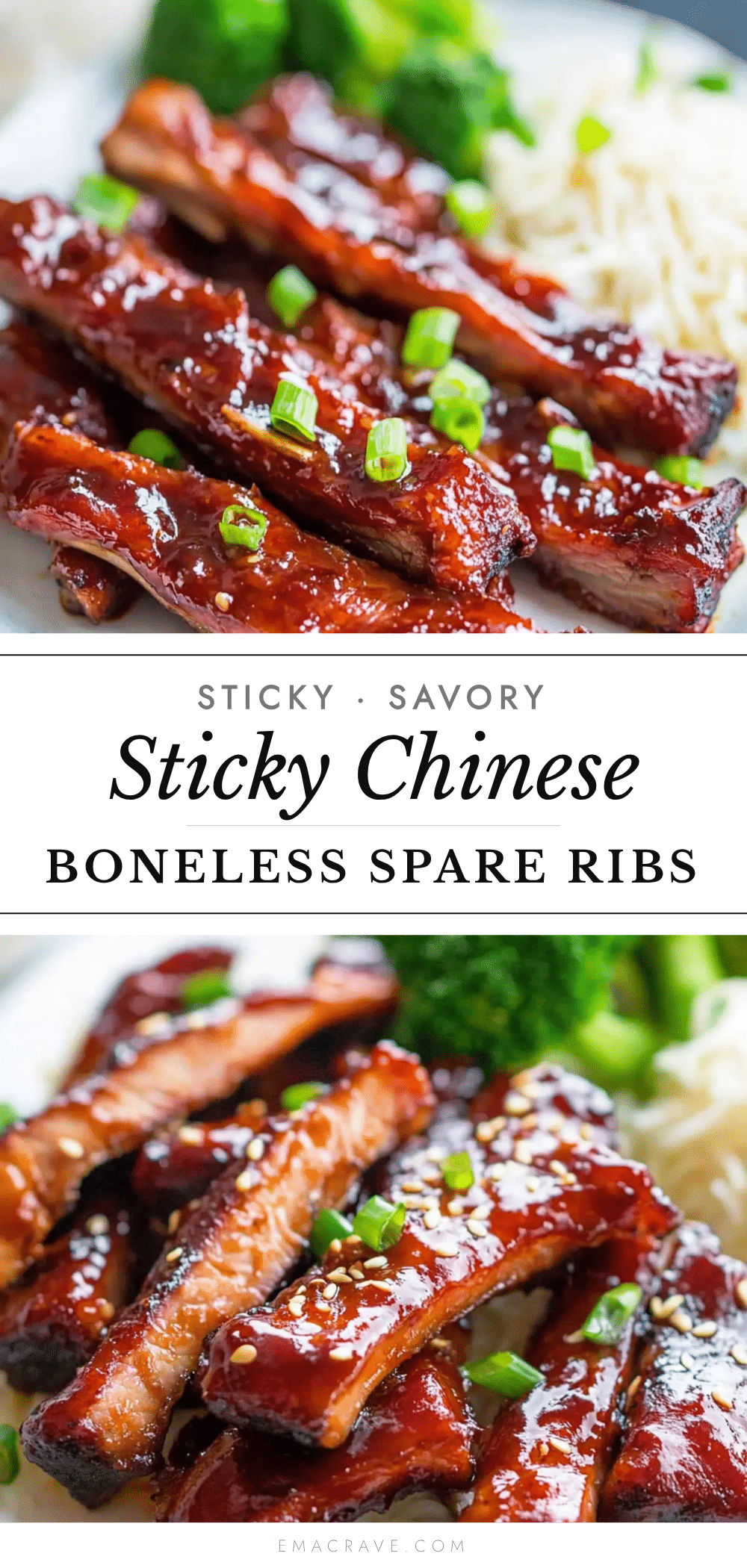
Easy Sticky Chinese Boneless Spare Ribs Recipe
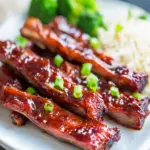
This quick and easy recipe transforms boneless chicken thighs into sticky, sweet, and savory ‘spare ribs’ with a glossy sauce that rivals takeout. Ready in under 30 minutes with simple pantry ingredients, it’s a perfect weeknight dinner that everyone loves.
- Prep Time: 10 minutes
- Cook Time: 20 minutes
- Total Time: 30 minutes
- Yield: 4 servings 1x
- Category: Main Course
- Cuisine: Chinese
Ingredients
- 1.5 lbs (680g) boneless chicken thighs
- 3 tablespoons cornstarch
- ¼ cup (60ml) soy sauce (regular or low-sodium)
- 3 tablespoons hoisin sauce
- 2 tablespoons honey
- 1 tablespoon rice vinegar
- 4 cloves garlic, minced
- 1 tablespoon freshly grated ginger
- 1 teaspoon toasted sesame oil
- 3–4 green onions, sliced
- 1 tablespoon sesame seeds (optional)
- 1 tablespoon vegetable or avocado oil (for cooking)
Instructions
- Pat the chicken thighs dry with paper towels. Cut into bite-sized pieces, about 1.5-inch chunks. Place in a large bowl and sprinkle with cornstarch. Toss well until every piece is lightly coated.
- In a medium bowl, whisk together soy sauce, hoisin sauce, honey, rice vinegar, minced garlic, and grated ginger. Set aside.
- Heat a large skillet or wok over medium-high heat. Add 1 tablespoon of oil. Once shimmering, add chicken pieces in a single layer (work in batches if needed). Cook undisturbed for 3-4 minutes until golden brown, then flip and cook another 3-4 minutes until cooked through and slightly crispy.
- Pour the sauce mixture over the cooked chicken. Stir well to coat. Reduce heat to medium-low and let simmer for 5-7 minutes, stirring occasionally, until the sauce thickens and becomes glossy.
- Drizzle in toasted sesame oil and stir to combine. Turn off the heat.
- Sprinkle with sliced green onions and sesame seeds. Serve immediately over steamed rice or noodles.
Notes
Pat chicken dry for better browning. Don’t skip cornstarch coating for stickiness. Add sesame oil at the end to avoid bitterness. For a thicker sauce, mix 1 teaspoon cornstarch with 2 teaspoons cold water and stir in. Leftovers keep in the fridge for up to 4 days or freeze for up to 3 months.
Nutrition
- Serving Size: 6 ounces of chicken
- Calories: 385
- Sugar: 14
- Sodium: 890
- Fat: 18
- Saturated Fat: 4
- Carbohydrates: 22
- Fiber: 1
- Protein: 32
Keywords: sticky Chinese spare ribs, boneless spare ribs, easy chicken recipe, takeout at home, quick dinner, weeknight dinner, Asian chicken