Love this? Save it for later!
Share the inspiration with your friends
The first time I made this, I was staring into my fridge at a pound of ground beef I’d thawed with no real plan. I was bored with the usual meatloaf—you know, the ketchup-on-top kind my mom made every other Tuesday growing up. I wanted something that bit back a little. Something with heat, depth, and that sticky-sweet finish you can’t stop picking at. So I grabbed the jar of gochujang I’d bought on a whim and just went for it.
I wasn’t trying to be clever, honestly. I was just tired. But as the glaze started bubbling in the oven, that spicy-sweet smell filled the kitchen and I knew I’d stumbled onto something. My husband walked in, sniffed the air, and asked if we were having Korean BBQ. Nope. Just meatloaf. But it didn’t feel like just meatloaf anymore.
That first bite was a surprise—savory, a little funky from the gochujang, and perfectly caramelized on the edges. The glaze wasn’t just a topping; it was the whole point. This Savory Korean Meatloaf with Gochujang Glaze has become my go-to when I want comfort food that feels fresh. It’s familiar enough to satisfy a craving but unexpected enough to make you feel like you tried something new. And honestly? It’s the kind of recipe that makes people ask for the details before they’ve even finished eating.
I’ve made it for weeknight dinners, for friends who stopped by unannounced, and even for a small gathering where someone said, “Wait, this is meatloaf?” Yes. Yes it is. And it’s so much more.
Why You’ll Love This Recipe
Let’s be real for a second. Meatloaf can be dry. It can be boring. It can sit on your plate looking sad and gray. This version? Not even close. Here’s why this Savory Korean Meatloaf with Gochujang Glaze is different from every other loaf you’ve made.
- Quick & Easy: From start to table in about an hour, with only 15 minutes of active prep. Perfect for a busy Tuesday when you still want something that feels special.
- Simple Ingredients: No wandering through the international aisle for obscure items. Ground beef, breadcrumbs, eggs, garlic, ginger, and gochujang—that’s the backbone. You probably have most of it already.
- Perfect for Weeknights & Gatherings: It’s cozy enough for a solo dinner but impressive enough for guests. I’ve brought it to potlucks and watched it disappear before the mac and cheese.
- Crowd-Pleaser: Kids eat it. Picky in-laws eat it. Friends who “don’t like meatloaf” eat it and ask for the recipe. I’m not exaggerating.
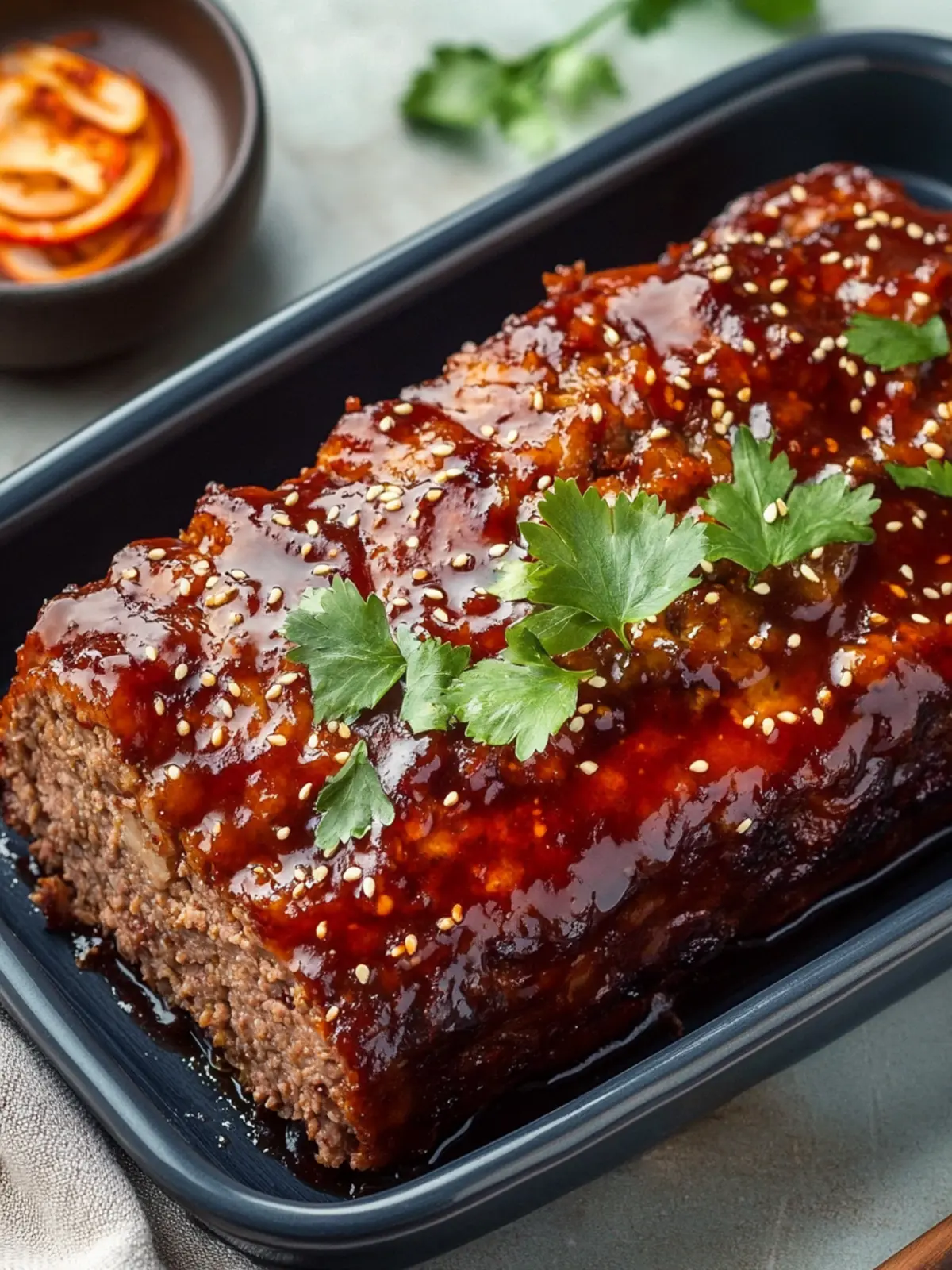
- Unbelievably Delicious: That gochujang glaze is the star. It’s spicy, sweet, sticky, and caramelizes into a crust that’s downright addictive. The meat itself stays tender and juicy because the gochujang and aromatics keep everything moist.
What makes this recipe stand out from the dozens of meatloaf recipes out there? It’s the balance. The gochujang isn’t just a novelty—it’s a flavor backbone that brings umami, heat, and a touch of sweetness all at once. And the glaze? I’ve tested it at least six times to get that perfect ratio of gochujang, brown sugar, soy sauce, and rice vinegar. It’s not too sweet, not too spicy. It’s just right.
I’ve also tested this with different meat blends, different binders, and different baking techniques. This version is the one I keep coming back to because it works every single time. No dry edges. No bland middle. Just a beautiful, glossy loaf that tastes like you spent hours on it.
What Ingredients You Will Need
This recipe uses straightforward ingredients that come together to create something way bigger than the sum of their parts. Here’s what you’ll need and why each one matters.
For the Meatloaf
- Ground beef (1 ½ lbs / 680g): I recommend 80/20 for the best balance of flavor and moisture. Too lean and the loaf gets dry. Too fatty and it might fall apart. 80/20 is the sweet spot.
- Panko breadcrumbs (¾ cup / 60g): Regular breadcrumbs work too, but panko gives a lighter texture. They soak up the moisture without turning the meat into a dense brick.
- Large eggs (2): The binder. They hold everything together and add richness. If you need to go egg-free, try a flax egg (1 tbsp ground flax + 3 tbsp water per egg, let sit 5 minutes).
- Gochujang (2 tablespoons / 30g): The star. This Korean fermented chili paste brings heat, sweetness, and that deep umami flavor. I like the brand Chung Jung One—it’s widely available and consistent.
- Garlic (4 cloves, minced): Fresh is non-negotiable here. Pre-minced stuff from a jar just doesn’t have the same punch. Trust me on this one.
- Fresh ginger (1 tablespoon, grated): Adds warmth and a little zing. Grate it on a microplane for the best texture. If you only have ground ginger, use 1 teaspoon, but fresh really makes a difference.
- Soy sauce (2 tablespoons / 30ml): Adds saltiness and depth. Use low-sodium if you’re watching your salt intake. Tamari or coconut aminos work as a gluten-free swap.
- Sesame oil (1 tablespoon / 15ml): That toasty, nutty flavor that screams Korean food. Don’t skip it—it’s subtle but essential.
- Green onions (3, thinly sliced): For freshness and a mild onion bite. Reserve a few for garnish if you want a pretty finish.
- Salt and black pepper (to taste): Go easy on the salt since the soy sauce and gochujang are already salty.
For the Gochujang Glaze
- Gochujang (3 tablespoons / 45g): More of that good stuff. The glaze is where the flavor really concentrates.
- Brown sugar (2 tablespoons / 25g): Adds sweetness that balances the heat and helps the glaze caramelize. Light or dark brown sugar both work—dark gives a deeper flavor.
- Soy sauce (1 tablespoon / 15ml): For saltiness and depth.
- Rice vinegar (1 tablespoon / 15ml): A little acidity to cut through the richness. Apple cider vinegar works in a pinch.
- Sesame oil (1 teaspoon / 5ml): Just a touch for that nutty finish.
- Water (1 tablespoon / 15ml): To thin the glaze so it spreads easily.
Ingredient Tip: Gochujang is usually found in the international aisle of most grocery stores, or at any Asian market. It keeps in the fridge for months, so it’s a great pantry staple. I always have a tub on hand for gochujang rice bowls and other quick dinners.
Equipment Needed
You don’t need a lot of fancy gear for this one. Here’s what I used.
- Loaf pan (9×5-inch / 23x13cm): Standard size works perfectly. If you don’t have one, you can shape the meatloaf free-form on a lined baking sheet—just keep an eye on the cooking time, it might cook a bit faster.
- Large mixing bowl: For combining all the meatloaf ingredients. Go big so you can mix without making a mess.
- Small bowl: For whisking the glaze ingredients together.
- Chef’s knife and cutting board: For mincing garlic, grating ginger, and slicing green onions.
- Microplane or fine grater: Makes grating ginger a breeze. A box grater works too, but the texture won’t be as fine.
- Measuring cups and spoons: For accuracy. Baking is science, but meatloaf is forgiving—still, measure the gochujang carefully because it’s potent.
- Basting brush or spoon: For spreading the glaze. A brush gives a more even coat, but a spoon works just fine.
- Aluminum foil: For tenting the meatloaf halfway through so the glaze doesn’t burn.
- Meat thermometer: Optional but highly recommended. The perfect internal temp is 160°F (71°C). No more guessing.
Budget-friendly tip: Don’t have a microplane? Just mince the ginger as finely as you can with a knife. It’s not the end of the world—I’ve done it more times than I care to admit.
Preparation Method
Let me walk you through this step by step. I’ve tested this method more times than I can count, so trust the process.
Step 1: Preheat and Prep
Preheat your oven to 350°F (175°C). Line your loaf pan with parchment paper if you want easy removal—totally optional but helpful. If you’re going free-form, line a baking sheet with foil or parchment.
Step 2: Make the Glaze
In a small bowl, whisk together 3 tablespoons gochujang, 2 tablespoons brown sugar, 1 tablespoon soy sauce, 1 tablespoon rice vinegar, 1 teaspoon sesame oil, and 1 tablespoon water. Set it aside. Give it a taste—it should be spicy, sweet, and tangy all at once. If it’s too thick, add another teaspoon of water.
Step 3: Sauté the Aromatics
Heat a small skillet over medium heat with a splash of sesame oil. Add the minced garlic and grated ginger. Cook for about 30 seconds until fragrant—don’t let them brown or they’ll turn bitter. Remove from heat and let cool slightly. This step isn’t strictly necessary, but it mellows the raw edge of the garlic and ginger and blends the flavors more evenly into the meat.
Step 4: Mix the Meatloaf
In a large mixing bowl, combine 1 ½ lbs ground beef, ¾ cup panko breadcrumbs, 2 large eggs, 2 tablespoons gochujang, 2 tablespoons soy sauce, 1 tablespoon sesame oil, the sautéed garlic and ginger, and 3 sliced green onions. Use your hands to mix—it’s the best way to ensure everything is evenly distributed without overworking the meat. Overmixing makes meatloaf tough, so stop as soon as you don’t see any more streaks of raw egg or breadcrumbs.
Step 5: Shape and Glaze
Transfer the mixture to your loaf pan and press it gently into an even shape. Don’t pack it down like you’re making a brick—just smooth the top. Brush or spoon about half the glaze over the top and sides. Reserve the rest for later.
Step 6: Bake
Place the loaf pan on a baking sheet (in case any glaze drips over) and bake at 350°F for 30 minutes. After 30 minutes, pull it out and brush on the remaining glaze. Tent loosely with aluminum foil to prevent the glaze from burning, then return to the oven for another 20-25 minutes.
Step 7: Check Temperature
Insert a meat thermometer into the center of the loaf. You’re looking for 160°F (71°C). If you don’t have a thermometer, cut into the center—no pink, clear juices running out. But honestly, the thermometer is worth it for peace of mind.
Step 8: Rest and Serve
Let the meatloaf rest in the pan for 10 minutes. This is crucial—it lets the juices redistribute so your slices don’t fall apart. After resting, lift it out using the parchment paper (if you used it) or slice directly in the pan. Garnish with extra sliced green onions and a sprinkle of sesame seeds if you’re feeling fancy.
Sensory cue: When it’s done, the glaze should be dark, sticky, and slightly caramelized around the edges. The kitchen will smell like a Korean BBQ joint. Your mouth will water. That’s normal.
Cooking Tips & Techniques
I’ve made enough meatloaf to know where things can go wrong. Here’s what I’ve learned the hard way so you don’t have to.
- Don’t overmix. I cannot stress this enough. Mix until just combined. Overworking the meat activates the proteins and makes the loaf dense and tough. Use a light hand—think of it as gently folding, not aggressively kneading.
- Let the aromatics cool. If you sauté the garlic and ginger, let them cool before adding to the meat. Hot aromatics can start cooking the meat prematurely and change the texture.
- Use a meat thermometer. I used to guess and ended up with dry meatloaf more times than I’d like to admit. 160°F is the sweet spot. Pull it out then and let it rest—carryover cooking will bring it to a safe 165°F.
- Tent with foil halfway through. The glaze is sugary and can burn if exposed to direct heat for too long. Foil protects it while the meat finishes cooking through.
- Let it rest. I know you’re hungry. I am too. But slicing into it immediately will give you a crumbly mess. Ten minutes. Set a timer if you have to.
- Make extra glaze. If you like a saucier finish, double the glaze recipe and serve extra on the side. It’s amazing drizzled over rice or roasted vegetables.
One mistake I made early on? Using lean ground beef. I thought it would be healthier, but the meatloaf came out dry and crumbly. 80/20 is the way to go. If you want to lighten it up, mix half ground beef with half ground pork or turkey—but don’t go lower than 85/15.
Variations & Adaptations
This recipe is flexible. Here are some ways to make it your own.
- Spicy Lovers: Add 1 teaspoon of gochugaru (Korean chili flakes) to the meat mixture or a splash of sriracha to the glaze. It’ll kick up the heat without overpowering the flavor.
- Gluten-Free: Swap the panko for gluten-free breadcrumbs or crushed pork rinds for a low-carb option. Use tamari instead of soy sauce. Everything else is naturally gluten-free.
- Dairy-Free: This recipe is already dairy-free, so you’re good. Just double-check your breadcrumbs if you’re buying pre-made—some brands sneak in milk powder.
- Low-Carb / Keto: Replace the panko with almond flour or crushed pork rinds. Use a sugar substitute like monk fruit sweetener or allulose in the glaze. It won’t caramelize exactly the same way, but it’ll still be delicious.
- Meat Swap: Use ground pork, ground turkey, or a mix of beef and pork. Ground pork adds extra juiciness. If using turkey, add an extra tablespoon of sesame oil to keep it moist.
- Air Fryer Method: Shape the meatloaf into a smaller loaf that fits your air fryer basket. Cook at 350°F for 25-30 minutes, glazing halfway through. Check internal temp before serving.
I once made this with half ground beef and half ground pork because that’s what I had in the freezer. Honestly? It might have been even better. The pork added a richness that played beautifully with the gochujang. Don’t be afraid to experiment.
Serving & Storage Suggestions
This meatloaf is versatile when it comes to serving. Here’s how I like to do it.
Serving: Slice it thick and serve with steamed rice or cozy crock pot swamp potatoes for a hearty meal. The sticky glaze is perfect over rice. I also love it with a simple cucumber salad or roasted broccoli. For a lighter option, serve over a bed of greens with a drizzle of sesame vinaigrette.
Temperature: Serve hot, right out of the oven. But honestly? Cold slices the next day are incredible. The flavors meld together and the glaze gets even stickier. I’ve been known to eat a slice straight from the fridge at 11 PM. No regrets.
Storage: Wrap leftover meatloaf tightly in foil or plastic wrap and store in the fridge for up to 4 days. You can also slice it and store in an airtight container—great for quick lunches.
Freezing: This freezes beautifully. Wrap the whole cooked meatloaf (or individual slices) in plastic wrap, then foil, and freeze for up to 3 months. Thaw overnight in the fridge before reheating.
Reheating: The best way is in a 350°F oven for 10-15 minutes, covered with foil to prevent drying. Microwave works in a pinch, but the glaze won’t be as sticky. For a quick fix, slice and pan-fry in a little sesame oil until warmed through—crispy edges, soft center. Yes, please.
Flavor development: Like many braised or baked dishes, this meatloaf tastes even better the next day. The gochujang, garlic, and ginger have time to meld, and the glaze sets into a perfect sticky coating.
Nutritional Information & Benefits
Here’s a rough estimate per serving (based on 6 servings).
| Nutrient | Amount per Serving |
|---|---|
| Calories | ~380 |
| Protein | 28g |
| Fat | 22g |
| Carbohydrates | 18g |
| Fiber | 1g |
| Sugar | 10g |
| Sodium | 680mg |
Health benefits: Gochujang is made from fermented soybeans and chili peppers, so it contains probiotics that support gut health. Ginger is anti-inflammatory and great for digestion. Garlic is packed with immune-boosting compounds. And hey, protein keeps you full and satisfied.
Dietary considerations: This recipe is dairy-free and can be made gluten-free and low-carb with simple swaps. It’s not suitable for vegans, but you could try a plant-based ground meat substitute if you’re adventurous.
My take: I’m not here to pretend this is a health food. But it’s a balanced meal—protein, carbs, and flavor—that feels indulgent without being over the top. Pair it with a vegetable side and you’ve got a dinner that works for both your taste buds and your body.
Conclusion
This Savory Korean Meatloaf with Gochujang Glaze is proof that comfort food doesn’t have to be boring. It’s the recipe I turn to when I want something familiar but different—something that feels like a hug but also like a little adventure. The glaze is the star, sure, but the meat itself is tender, juicy, and packed with flavor from the inside out.
I love that this recipe is forgiving. You can swap ingredients, adjust the spice level, or change up the sides and it still works. It’s the kind of dish that makes you look like a hero in the kitchen without breaking a sweat. And honestly? That’s my favorite kind of recipe.
If you try this, let me know how it goes. Leave a comment, share a photo, or tell me how you made it your own. I read every single one and I love hearing about your kitchen wins. And if you’re looking for more weeknight inspiration, check out my cozy hibachi steak bowls for another quick, flavor-packed dinner.
Now go preheat that oven. Your new favorite meatloaf is waiting.
Frequently Asked Questions
Can I use ground turkey or chicken instead of beef?
Absolutely. Ground turkey or chicken works well, but they’re leaner, so add an extra tablespoon of sesame oil or a splash of milk to keep the meatloaf moist. Check the internal temp—poultry needs to reach 165°F (74°C).
What is gochujang and where can I find it?
Gochujang is a Korean fermented chili paste made from chili powder, glutinous rice, fermented soybeans, and salt. It’s spicy, sweet, and deeply savory. You’ll find it in the international aisle of most grocery stores, at Asian markets, or online. It keeps in the fridge for months.
Can I make this meatloaf ahead of time?
Yes! You can assemble the meatloaf (without the glaze) up to 24 hours in advance and keep it covered in the fridge. Add the glaze just before baking. You can also bake it fully, let it cool, and reheat later—the flavors actually get better overnight.
How do I prevent the meatloaf from being dry?
Use 80/20 ground beef, don’t overmix, and don’t overbake. A meat thermometer is your best friend here. Also, letting it rest for 10 minutes after baking helps the juices redistribute instead of running out when you slice.
Can I double this recipe?
Definitely. Double all the ingredients and bake in two loaf pans, or use a larger pan and increase the baking time by 15-20 minutes. Just keep an eye on the internal temp. You might need to tent with foil earlier to prevent the glaze from burning.
Pin This Recipe!
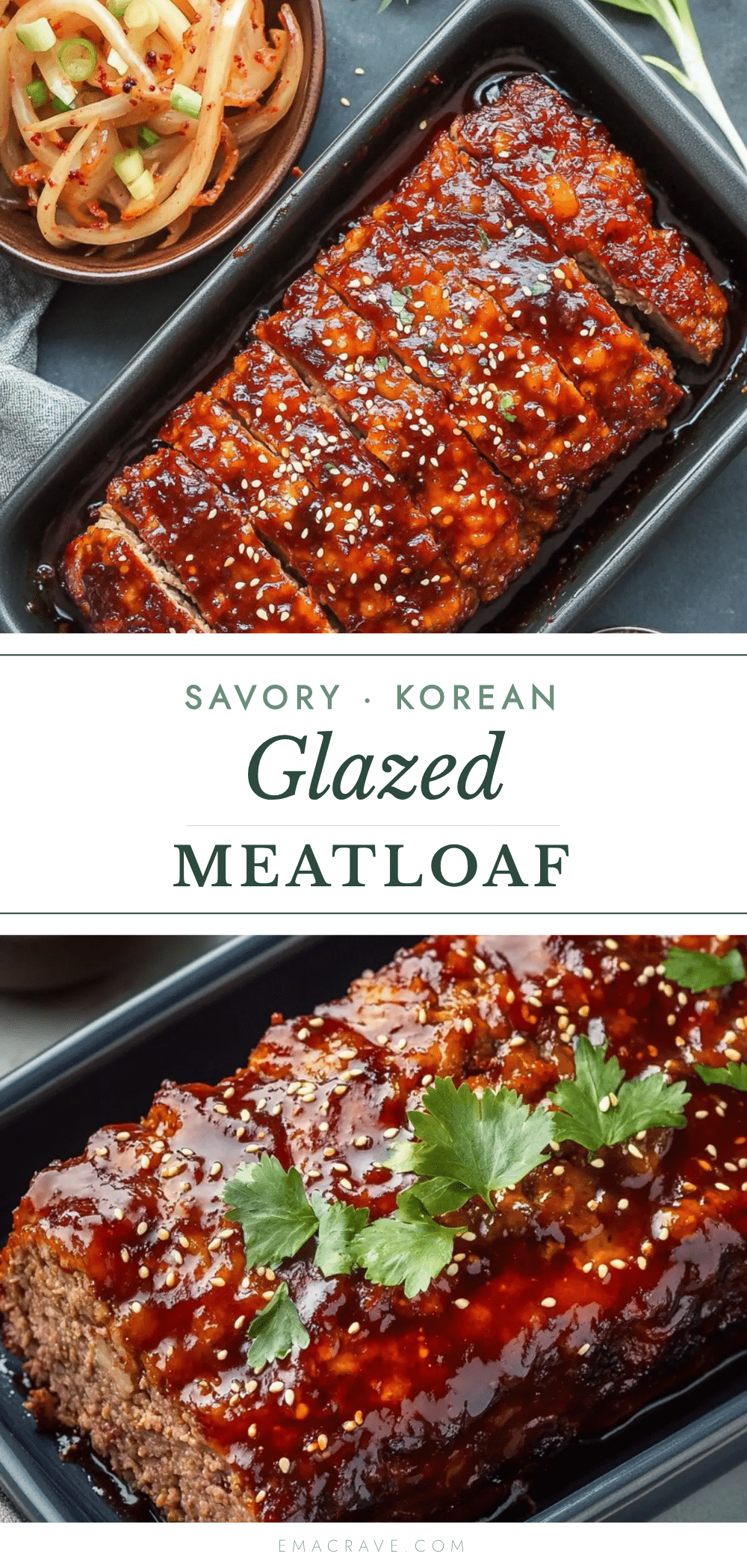
Savory Korean Meatloaf with Gochujang Glaze
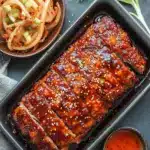
A savory, spicy-sweet twist on classic meatloaf, featuring a gochujang glaze that caramelizes into a sticky, addictive crust. This easy recipe is perfect for weeknights and gatherings, delivering tender, juicy meatloaf with bold Korean flavors.
- Prep Time: 15 minutes
- Cook Time: 50 minutes
- Total Time: 1 hour 5 minutes
- Yield: 6 servings 1x
- Category: Main Course
- Cuisine: Korean
Ingredients
- 1 ½ lbs (680g) ground beef (80/20)
- ¾ cup (60g) panko breadcrumbs
- 2 large eggs
- 2 tablespoons (30g) gochujang
- 4 cloves garlic, minced
- 1 tablespoon fresh ginger, grated
- 2 tablespoons (30ml) soy sauce
- 1 tablespoon (15ml) sesame oil
- 3 green onions, thinly sliced
- Salt and black pepper to taste
- 3 tablespoons (45g) gochujang (for glaze)
- 2 tablespoons (25g) brown sugar
- 1 tablespoon (15ml) soy sauce (for glaze)
- 1 tablespoon (15ml) rice vinegar
- 1 teaspoon (5ml) sesame oil (for glaze)
- 1 tablespoon (15ml) water (for glaze)
Instructions
- Preheat oven to 350°F (175°C). Line a 9×5-inch loaf pan with parchment paper if desired.
- Make the glaze: In a small bowl, whisk together 3 tablespoons gochujang, 2 tablespoons brown sugar, 1 tablespoon soy sauce, 1 tablespoon rice vinegar, 1 teaspoon sesame oil, and 1 tablespoon water. Set aside.
- Sauté aromatics: Heat a small skillet over medium heat with a splash of sesame oil. Add minced garlic and grated ginger. Cook for about 30 seconds until fragrant. Remove from heat and let cool slightly.
- Mix meatloaf: In a large bowl, combine ground beef, panko, eggs, 2 tablespoons gochujang, 2 tablespoons soy sauce, 1 tablespoon sesame oil, sautéed garlic and ginger, and sliced green onions. Mix with your hands until just combined. Do not overmix.
- Shape and glaze: Transfer mixture to the loaf pan and press gently into an even shape. Brush or spoon about half the glaze over the top and sides. Reserve the rest.
- Bake: Place loaf pan on a baking sheet. Bake at 350°F for 30 minutes. Remove from oven, brush on remaining glaze, and tent loosely with aluminum foil. Return to oven and bake for another 20-25 minutes.
- Check temperature: Insert a meat thermometer into the center. It should read 160°F (71°C).
- Rest and serve: Let meatloaf rest in the pan for 10 minutes. Garnish with extra sliced green onions and sesame seeds if desired. Slice and serve.
Notes
Use 80/20 ground beef for best moisture. Do not overmix. Let aromatics cool before adding to meat. Tent with foil halfway through to prevent glaze from burning. Let meatloaf rest for 10 minutes before slicing. For a saucier finish, double the glaze recipe and serve extra on the side.
Nutrition
- Serving Size: 1 slice (1/6 of loaf
- Calories: 380
- Sugar: 10
- Sodium: 680
- Fat: 22
- Saturated Fat: 8
- Carbohydrates: 18
- Fiber: 1
- Protein: 28
Keywords: Korean meatloaf, gochujang glaze, easy meatloaf, savory meatloaf, Korean recipe, comfort food, weeknight dinner