Love this? Save it for later!
Share the inspiration with your friends
I was standing in my kitchen at 11 PM on a Tuesday, staring at a bag of lemons I’d bought for a salad dressing I never made. The house smelled like nothing in particular, and I wanted to change that. I’d been scrolling through photos of floral cakes on my phone for weeks—the kind that look like they belong in a tiny French patisserie, not on my counter. But honestly? I’m not a fancy baker. I burn the bottom of cookies more often than I’d like to admit.
So when I pulled out the butter to soften, I wasn’t planning on writing down a recipe. I was just chasing a smell. I wanted something that felt like spring in the middle of a random work week. Lemon, obviously. And lavender, because I had a little jar from a farmers’ market trip that I’d been too scared to use. It seemed like the kind of thing that could go very wrong—soapy cake, anyone? But I figured I’d rather risk it than let the lavender sit in my pantry until it turned into potpourri.
That first cake came out of the oven at midnight. The kitchen was warm and smelled like a garden I didn’t own. I frosted it with a simple buttercream while standing at the counter, licking the spatula between layers. It wasn’t perfect—the crumb was a little tender, the lavender a little shy. But I woke up the next morning and ate a slice with my coffee, and something clicked. This was the cake I’d been wanting to make for years without knowing it. This is the best lemon lavender cake with creamy buttercream frosting, and it’s the kind of recipe you’ll make just because you want the house to smell good.
Why You’ll Love This Recipe
I have made this cake at least seven times since that first midnight bake. Each time, I tweaked something—a little more lemon zest, a little less lavender, a different buttercream ratio. What I landed on is a recipe that feels both special and completely doable on a regular weekend.
- Simple Ingredients: No weird extracts or hard-to-find flours. You probably have most of this in your kitchen right now.
- Perfect for Spring Gatherings: This cake shows up at brunches, baby showers, and Easter tables. It looks impressive without requiring piping bags or fondant.
- Balanced Flavor: The lemon cuts through the richness of the buttercream, and the lavender is subtle—not like eating perfume. It’s floral the way a good cup of Earl Grey is floral.
- Beginner-Friendly Layers: If you’ve never stacked a layer cake before, this forgiving crumb and sturdy buttercream make it easy to fake it till you make it.
- Make-Ahead Friendly: The cake layers freeze beautifully, and the buttercream sits well in the fridge. You can spread the work across two days.
This isn’t just a pretty cake. It’s the one people ask for by name after trying it at a party. It’s the one you’ll make when you want to feel like you’ve got your life together, even if your kitchen is a mess and you’re wearing sweatpants. Trust me on this.
What Ingredients You Will Need
This recipe uses standard baking staples with two starring ingredients: fresh lemons and dried culinary lavender. The quality of these two makes or breaks the cake, so don’t skimp here.
For the Lemon Lavender Cake
- 2 ½ cups (310g) all-purpose flour – Spoon and level for accuracy. Too much flour makes a dry cake.
- 2 ½ teaspoons baking powder – Fresh baking powder ensures a good rise.
- ½ teaspoon baking soda – Helps balance the acidity from the lemon.
- ½ teaspoon salt – Fine sea salt works best.
- 1 cup (226g) unsalted butter, softened – Leave it out for at least an hour. Cold butter won’t cream properly.
- 1 ¾ cups (350g) granulated sugar – Regular white sugar. Don’t swap for brown; it changes the delicate flavor.
- 4 large eggs, room temperature – Cold eggs can seize the batter. Let them sit on the counter for 30 minutes.
- 1 tablespoon lemon zest – From about 2 large lemons. Zest before juicing.
- ¼ cup (60ml) fresh lemon juice – Bottled juice won’t give you the same brightness.
- 1 cup (240ml) buttermilk, room temperature – Makes the crumb tender. No buttermilk? Add 1 tablespoon lemon juice to regular milk and let it sit 5 minutes.
- 2 teaspoons vanilla extract – Pure vanilla, not imitation.
- 1 ½ teaspoons dried culinary lavender – Grind it lightly with a mortar and pestle or between your fingers. This releases the oils without turning it into dust.
For the Creamy Buttercream Frosting
- 1 ½ cups (340g) unsalted butter, softened – Yes, this is a lot of butter. It’s a celebration cake.
- 5 cups (600g) powdered sugar – Sift it if it’s lumpy.
- 3 tablespoons heavy cream – Or whole milk in a pinch.
- 2 teaspoons vanilla extract
- 1 tablespoon fresh lemon juice – Adds a subtle tang that cuts the sweetness.
- Pinch of salt
- Optional: ½ teaspoon dried lavender, finely ground – For a floral buttercream. I add this about half the time.
Equipment Needed
You don’t need a professional bakery setup for this cake, but a few tools make life easier.
- Two 9-inch round cake pans – Light-colored metal pans bake more evenly than dark nonstick.
- Stand mixer or hand mixer – You can cream butter by hand, but your arm will hate you.
- Parchment paper – Cut circles for the pan bottoms. Nonstick spray alone isn’t enough.
- Cooling rack – Lets air circulate so your cakes don’t steam.
- Offset spatula – Makes frosting layers look professional. A butter knife works too.
- Cake stand or plate – For serving and showing off.
- Mortar and pestle or spice grinder – For the lavender. You can also use the back of a spoon and a bowl.
If you don’t have two 9-inch pans, you can bake in three 8-inch pans and reduce the time by about 5 minutes. I’ve also made this as a sheet cake in a 9×13 pan—just bake for 30-35 minutes and frost right in the pan.
Preparation Method
This method is broken into clear stages so you don’t feel overwhelmed. Read through once before starting.
Step 1: Prep Your Pans and Oven
Preheat your oven to 350°F (175°C). Grease two 9-inch round cake pans with butter or nonstick spray. Cut parchment paper circles to fit the bottoms and press them in. Grease the parchment too. Dust the pans lightly with flour and tap out the excess. This double-layer prep guarantees your cakes release cleanly.
Step 2: Mix the Dry Ingredients
In a medium bowl, whisk together the flour, baking powder, baking soda, and salt. Set aside. In a small bowl, rub the dried lavender into the granulated sugar using your fingertips. This infuses the sugar with lavender oil and ensures the flavor spreads evenly. Let it sit for 5 minutes while you get the wet ingredients ready.
Step 3: Cream the Butter and Sugar
In the bowl of a stand mixer fitted with the paddle attachment, beat the softened butter and lavender sugar on medium speed for 3-4 minutes. It should look pale, fluffy, and lighter in color. Scrape the bowl down halfway through. Don’t rush this step—proper creaming creates air pockets that help the cake rise.
Step 4: Add Eggs and Flavorings
Add the eggs one at a time, beating well after each addition (about 30 seconds each). The batter might look slightly curdled at this point—that’s okay. Beat in the lemon zest, lemon juice, and vanilla extract. The mixture will smell incredible. Don’t worry if it looks a little separated; the flour will bring it back together.
Step 5: Alternate Dry and Wet Ingredients
With the mixer on low speed, add the flour mixture in three additions, alternating with the buttermilk. Start and end with the flour. Mix just until combined after each addition. Overmixing at this stage develops gluten and makes the cake tough. Use a rubber spatula to fold the batter a few times from the bottom, making sure no flour pockets remain.
Step 6: Bake the Layers
Divide the batter evenly between the two prepared pans. Smooth the tops with a spatula. Bake for 25-30 minutes, or until a toothpick inserted into the center comes out clean or with a few moist crumbs. The cakes should be golden around the edges and spring back when lightly touched. Let them cool in the pans for 10 minutes, then run a knife around the edges and turn them out onto a cooling rack. Peel off the parchment and let them cool completely. This takes about an hour. Don’t frost warm cakes—the buttercream will melt into a puddle.
Step 7: Make the Buttercream Frosting
While the cakes cool, make the frosting. In a clean mixer bowl with the paddle attachment, beat the softened butter on medium speed for 3-4 minutes until pale and creamy. It should look almost white. Reduce speed to low and gradually add the powdered sugar, about 1 cup at a time. Add the heavy cream, vanilla extract, lemon juice, and salt. If using lavender, add the finely ground lavender now. Increase speed to medium-high and beat for 2-3 minutes until the frosting is light, fluffy, and spreadable. If it’s too thick, add another tablespoon of cream. Too thin? Add ¼ cup more powdered sugar.
Step 8: Assemble the Cake
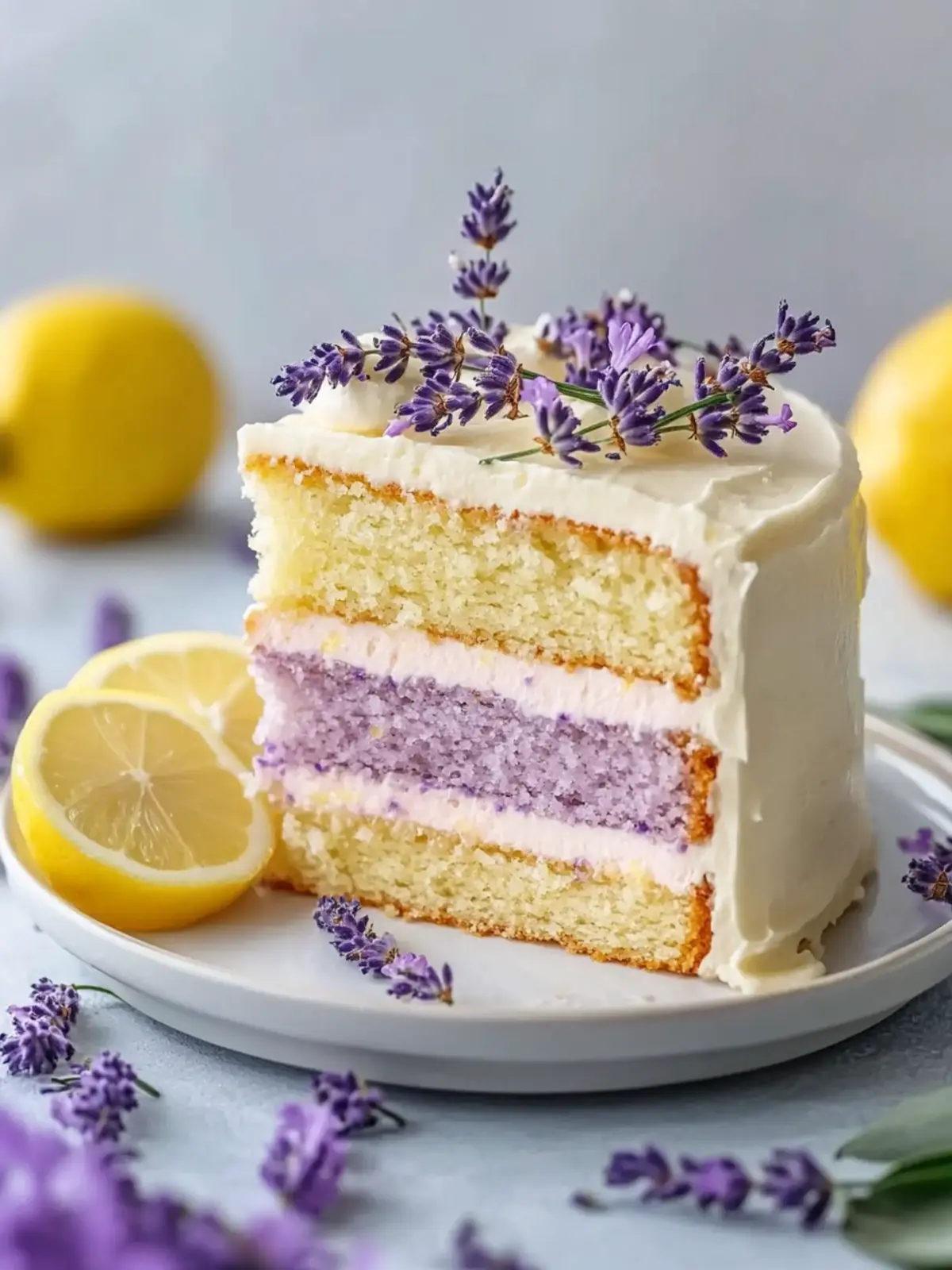
Place one cake layer on your serving plate. Use a serrated knife to level the top if it domed during baking. Spread about ¾ cup of buttercream evenly over the top. Place the second layer on top, flat side down. Apply a thin crumb coat—a light layer of frosting all over the cake to seal in crumbs. Refrigerate for 20 minutes. Then apply the final layer of frosting, using an offset spatula for smooth sides and decorative swirls on top. I like to leave the sides a little rustic with visible swirls—it feels homemade and intentional.
Cooking Tips & Techniques
I’ve messed up this cake enough times to know exactly where things go wrong. Here’s what I’ve learned so you don’t have to repeat my mistakes.
- Don’t skip the lavender-sugar rubbing step. The first time I made this, I just tossed dried lavender into the batter. The flavor was uneven—some bites were perfumey, others had none. Rubbing it into the sugar distributes the oils evenly throughout the batter.
- Room temperature ingredients matter. Cold butter doesn’t cream properly. Cold eggs can make the batter curdle permanently. Cold buttermilk can seize the fat. Take everything out of the fridge 1-2 hours before baking.
- Use fresh lemon juice. Bottled lemon juice tastes flat and slightly metallic. Fresh juice gives the cake that bright, zingy character that balances the floral lavender.
- Weigh your flour if you can. Scooping flour with a measuring cup can add 20-30% more flour than the recipe intends. A kitchen scale is a $15 investment that saves countless dry cakes.
- Let the cake cool completely. I once frosted a slightly warm cake because I was impatient. The buttercream slid off in glossy ribbons. I ended up with a naked cake that looked like a modern art project. It still tasted good, but it wasn’t pretty.
Variations & Adaptations
This recipe is flexible. Here are some ways I’ve adapted it for different occasions and dietary needs.
- Gluten-Free Version: Swap the all-purpose flour with a good 1:1 gluten-free baking flour blend (I like Bob’s Red Mill). Add 1 teaspoon xanthan gum if your blend doesn’t include it. The texture will be slightly more tender, but the flavor holds up beautifully.
- Dairy-Free Adaptation: Use vegan butter sticks (not tub margarine) and full-fat oat milk mixed with 1 tablespoon lemon juice for the buttermilk. The buttercream works with vegan butter too, though it’s slightly softer. Refrigerate the frosted cake for 30 minutes before serving.
- Lemon Blueberry Lavender Cake: Fold 1 cup fresh or frozen blueberries (tossed in 1 tablespoon flour) into the batter just before baking. The burst of tart berries pairs perfectly with the floral notes.
- Cupcake Version: Divide the batter among 24 lined muffin tins. Bake at 350°F (175°C) for 18-20 minutes. This makes about 2 dozen cupcakes. Great for parties or sending with kids to school events.
- Honey Lavender Twist: Replace ¼ cup of the granulated sugar with ¼ cup honey. Reduce the buttermilk by 2 tablespoons. The honey adds a deeper, more complex sweetness that complements the lavender.
Serving & Storage Suggestions
This cake is best served at room temperature. Take it out of the fridge about 30 minutes before you plan to slice it. The buttercream softens slightly and the cake crumb becomes more tender.
For serving, I like to add a few fresh edible flowers on top—pansies or violets look beautiful against the pale yellow frosting. A few thin lemon slices arranged in a fan pattern also make a simple, elegant garnish. Pair it with a cup of Earl Grey tea or a cold glass of sparkling lemonade.
Storage: Cover the cake with a cake dome or place it in an airtight container. It keeps at room temperature for 2 days, or in the refrigerator for up to 5 days. The flavors actually meld and deepen after a day in the fridge—the lavender becomes more pronounced and the lemon mellows into the background.
Freezing: You can freeze unfrosted cake layers wrapped tightly in plastic wrap and foil for up to 3 months. Thaw at room temperature before frosting. The buttercream also freezes well in an airtight container for up to 2 months. Thaw in the fridge overnight and re-whip for 1 minute before using.
Nutritional Information & Benefits
This is a celebration cake, not a health food. But I believe in knowing what you’re eating so you can enjoy it fully without guilt.
- Estimated per slice (1/12 of cake): 480 calories, 24g fat, 64g carbohydrates, 5g protein, 42g sugar.
- Lemon: High in vitamin C and antioxidants. The fresh zest adds a bright note that also aids digestion.
- Lavender: Known for its calming properties. In small culinary doses, it can help reduce anxiety and promote relaxation. There’s a reason this cake feels like a deep breath.
- Butter: Provides fat-soluble vitamins A, D, E, and K. In moderation, real butter is a whole food that supports nutrient absorption.
If you’re watching your sugar intake, this cake is indulgent—but it’s made from scratch with real ingredients. That counts for something in my book. I’d rather eat one slice of this than two slices of a box mix cake loaded with preservatives and artificial flavors.
Conclusion
This best lemon lavender cake with creamy buttercream frosting has become my signature dessert. It’s the one I bring to friends’ birthdays, the one I make when I need to feel grounded, and the one that always gets photographed before anyone takes a bite. The combination of bright citrus and soft floral notes feels like a secret that more people should know about.
I hope you make this cake for yourself first—on a random Tuesday, just because you want the house to smell like spring. Then make it for the people you love. Adjust the lavender to your taste. Add blueberries if that calls to you. Leave the frosting rustic or pipe it into rosettes. This recipe is yours now.
If you make it, I’d love to hear how it turned out. Drop a comment below or tag me in your photos. And if you’re looking for another floral-inspired dessert, don’t miss my decadent salted pistachio dark chocolate chip cookies—they have that same balance of fancy and approachable. Happy baking!
Frequently Asked Questions
Can I use fresh lavender instead of dried?
I don’t recommend it. Fresh lavender has a much higher moisture content and can make your batter watery. It also tends to have a stronger, almost soapy flavor. Dried culinary lavender is more consistent and easier to control. Stick with dried for the best results.
Why did my cake sink in the middle?
This usually happens for one of three reasons: the oven door was opened too early (wait until the 25-minute mark to check), the baking powder is old, or the batter was overmixed. Check the expiration date on your baking powder and resist the urge to peek during the first 20 minutes of baking.
Can I make this cake dairy-free?
Yes. Use vegan butter sticks and a dairy-free milk like oat or soy mixed with lemon juice for the buttermilk. The texture will be slightly denser but still delicious. I’ve tested this with Miyoko’s vegan butter and it worked beautifully.
How do I grind lavender without a mortar and pestle?
Place the dried lavender in a small zip-top bag and crush it gently with the bottom of a heavy skillet or a rolling pin. You want it broken down but not powdery. A clean coffee grinder or spice grinder also works in short pulses.
Can I skip the lavender entirely?
Of course! Without the lavender, you have a truly excellent lemon cake. Add an extra teaspoon of lemon zest to compensate. You can also swap the lavender for 1 teaspoon of poppy seeds to make lemon poppy seed cake—another classic that works perfectly with this buttercream.
Pin This Recipe!
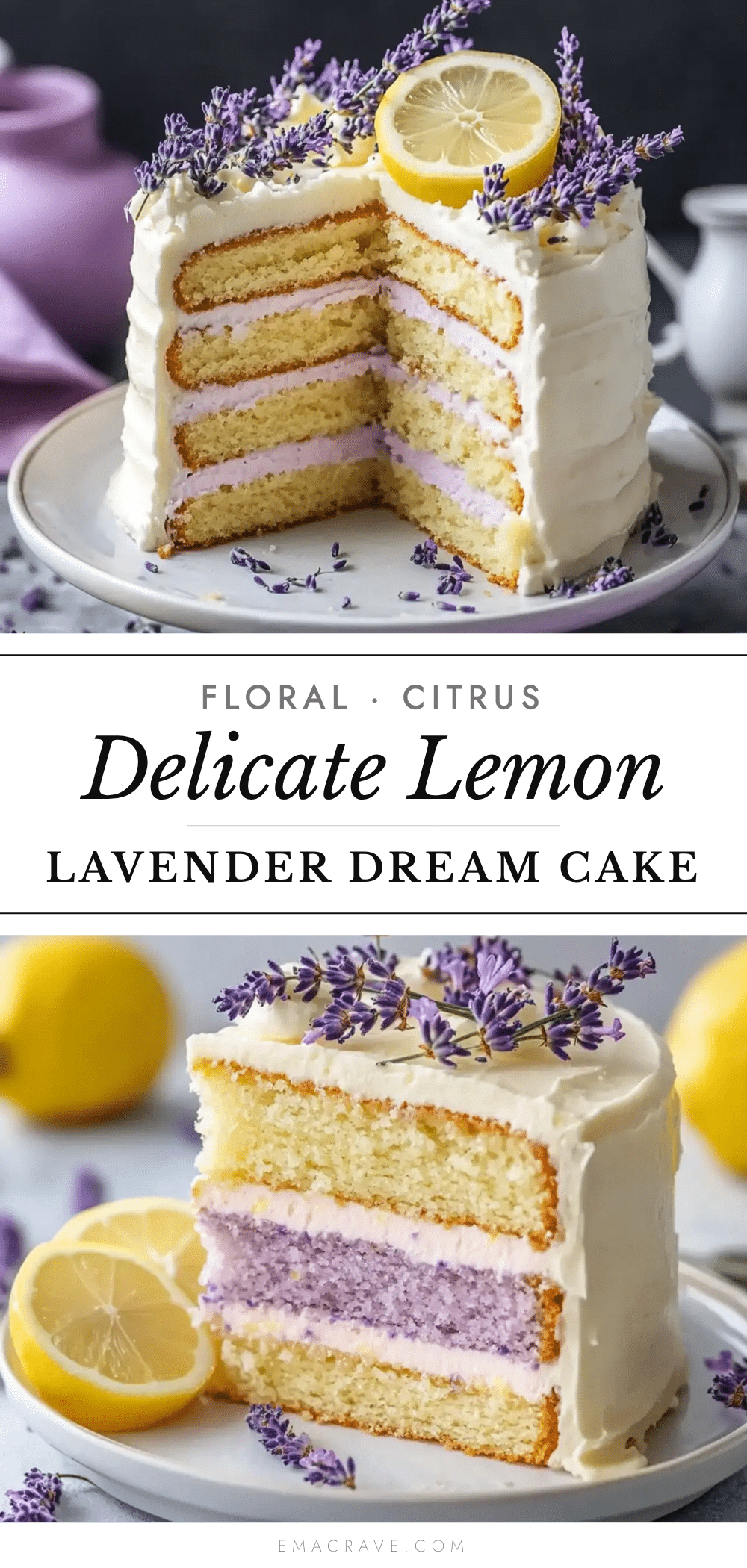
Best Lemon Lavender Cake with Easy Buttercream Frosting
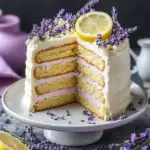
A tender lemon lavender cake with creamy buttercream frosting, perfect for spring gatherings. This beginner-friendly layer cake features bright citrus and subtle floral notes, made with simple ingredients.
- Prep Time: 30 minutes
- Cook Time: 30 minutes
- Total Time: 1 hour 30 minutes
- Yield: 12 servings 1x
- Category: Dessert
- Cuisine: American
Ingredients
- 2 ½ cups (310g) all-purpose flour
- 2 ½ teaspoons baking powder
- ½ teaspoon baking soda
- ½ teaspoon salt
- 1 cup (226g) unsalted butter, softened
- 1 ¾ cups (350g) granulated sugar
- 4 large eggs, room temperature
- 1 tablespoon lemon zest
- ¼ cup (60ml) fresh lemon juice
- 1 cup (240ml) buttermilk, room temperature
- 2 teaspoons vanilla extract
- 1 ½ teaspoons dried culinary lavender
- 1 ½ cups (340g) unsalted butter, softened (for frosting)
- 5 cups (600g) powdered sugar
- 3 tablespoons heavy cream
- 2 teaspoons vanilla extract (for frosting)
- 1 tablespoon fresh lemon juice (for frosting)
- Pinch of salt
- Optional: ½ teaspoon dried lavender, finely ground (for frosting)
Instructions
- Preheat oven to 350°F (175°C). Grease two 9-inch round cake pans, line bottoms with parchment, grease parchment, and dust with flour.
- In a medium bowl, whisk together flour, baking powder, baking soda, and salt. In a small bowl, rub dried lavender into granulated sugar with fingertips; let sit 5 minutes.
- In a stand mixer with paddle attachment, beat softened butter and lavender sugar on medium speed for 3-4 minutes until pale and fluffy. Scrape bowl halfway through.
- Add eggs one at a time, beating well after each. Beat in lemon zest, lemon juice, and vanilla extract. Batter may look slightly curdled.
- With mixer on low, add flour mixture in three additions, alternating with buttermilk, starting and ending with flour. Mix just until combined. Fold batter a few times with a spatula.
- Divide batter evenly between prepared pans. Bake 25-30 minutes until a toothpick inserted in center comes out clean or with moist crumbs. Cool in pans 10 minutes, then turn out onto a cooling rack. Peel off parchment and cool completely (about 1 hour).
- For frosting: In a clean mixer bowl with paddle attachment, beat softened butter on medium speed 3-4 minutes until pale and creamy. Gradually add powdered sugar, 1 cup at a time, on low speed. Add heavy cream, vanilla, lemon juice, salt, and optional lavender. Beat on medium-high 2-3 minutes until light and fluffy.
- Place one cake layer on serving plate. Level top if domed. Spread about ¾ cup buttercream evenly. Top with second layer, flat side down. Apply thin crumb coat, refrigerate 20 minutes, then apply final frosting layer.
Notes
Don’t skip rubbing lavender into sugar for even flavor. Room temperature ingredients are crucial. Use fresh lemon juice. Weigh flour for accuracy. Cool cakes completely before frosting. For gluten-free, use 1:1 gluten-free flour blend with xanthan gum. For dairy-free, use vegan butter and oat milk with lemon juice.
Nutrition
- Serving Size: 1 slice (1/12 of cak
- Calories: 480
- Sugar: 42
- Sodium: 280
- Fat: 24
- Saturated Fat: 15
- Carbohydrates: 64
- Fiber: 1
- Protein: 5
Keywords: lemon lavender cake, buttercream frosting, spring cake, floral cake, layer cake, lemon cake, lavender cake