Love this? Save it for later!
Share the inspiration with your friends
The smoke from the grill curled up into the twilight, carrying the sharp, sweet scent of orange and mustard. My neighbor, a man of few words and many fish tales, leaned over the fence. “Smells like you’re actually cooking something decent tonight,” he said, a rare compliment disguised as a jab. I just grinned, holding the spatula like a trophy. That was the first time I made this Zesty Orange Dijon Grilled Halibut, and honestly, I was winging it. I had a gorgeous, thick halibut fillet from the morning’s farmers’ market, a half-squeezed orange sitting on the counter, and a jar of Dijon that was about to expire. Desperation and a little bit of hope made me mix them together. The result was so good, I actually wrote the recipe down on a napkin before I forgot what I did. It wasn’t a complicated family secret or a chef’s technique. It was just a perfect, accidental match made on a hot summer grill. The halibut came out flaky, the glaze caramelized into a sticky, tangy crust, and the whole thing felt like a mini vacation on a plate. It’s the kind of dinner that makes you want to eat outside, even if the mosquitoes are out.
I’ve made this Zesty Orange Dijon Grilled Halibut at least a dozen times since that evening. It’s become my go-to for those perfect summer nights when you want something that feels special but doesn’t require a whole afternoon in the kitchen. The bright citrus cuts through the richness of the fish, while the Dijon adds a subtle heat that keeps you coming back for more. It’s not fussy. It’s just really, really good food. And honestly, that’s the best kind of recipe to have in your back pocket.
Why You’ll Love This Recipe
Let’s be real—grilling fish can be intimidating. It sticks, it flakes apart, and sometimes it ends up tasting dry and sad. This Zesty Orange Dijon Grilled Halibut is the exception. It’s the recipe that turns a nervous griller into a confident one. Here’s why it works so well:
- Quick & Easy : From marinade to plate in under 20 minutes. Seriously. This is a weeknight hero that tastes like a weekend splurge.
- Simple Ingredients : You probably have the Dijon and olive oil right now. A fresh orange is the only “special” thing, and it’s worth the squeeze.
- Perfect for Summer Nights : It’s light, bright, and doesn’t heat up your kitchen. This is the meal you want after a long, hot day when you just want to sit on the patio with a cold drink.
- Crowd-Pleaser : Even people who swear they “don’t like fish” have asked me for this recipe. The glaze is that good. It’s not fishy—it’s just delicious.
- Unbelievably Flaky : The marinade does double duty. It tenderizes the halibut just enough and creates a gorgeous, caramelized crust on the grill that locks in all the moisture.
What makes this version different from every other grilled fish recipe? It’s the balance. Most citrus marinades are too acidic and they “cook” the fish before it even hits the heat. This one uses the Dijon as an emulsifier, creating a thick, clingy glaze that coats the fish perfectly. The orange zest gives you that intense flavor without the watery acidity of too much juice. I’ve tested this with lemon, lime, and even grapefruit, and nothing hits quite like orange with Dijon. It’s a match made in grilling heaven. This isn’t just another fish recipe—it’s the one you’ll text your friends about.
What Ingredients You Will Need
This recipe uses a handful of simple, high-quality ingredients to build layers of flavor without any fuss. The magic is in the marinade, which doubles as a basting sauce. Here’s what you need:
For the Halibut & Marinade
- 2 (6-ounce) halibut fillets (about 1 inch thick): Look for fillets that are firm, moist, and have a mild, sweet smell. I prefer Pacific halibut for its sustainability and firm texture. If your fillets are thinner, reduce the grilling time by a minute or two.
- 3 tablespoons fresh orange juice (from about 1 large orange): Fresh is non-negotiable here. Bottled juice has a flat, sugary taste that won’t give you that bright, zesty kick. Roll the orange on the counter before cutting to get the most juice out of it.
- 1 tablespoon orange zest (from the same orange): This is where the real flavor lives. The zest packs a concentrated punch of citrus oil that the juice alone can’t match. Be careful not to grate the white pith—it’s bitter.
- 2 tablespoons Dijon mustard: Use a good quality Dijon, like Grey Poupon or Maille. It adds a creamy texture and a gentle, tangy heat that balances the sweetness of the orange. Don’t use yellow mustard here; it’s too sharp and lacks the depth.
- 2 tablespoons extra-virgin olive oil: Helps the marinade coat the fish and prevents it from sticking to the grill. Use a good one, but nothing so fancy you’d cry over it.
- 1 clove garlic, minced: Adds a savory backbone to the bright citrus. Fresh garlic is a must—the jarred stuff has a metallic taste that ruins the delicate flavor of the fish.
- ½ teaspoon sea salt: I use flaky Maldon salt for finishing, but fine sea salt works great in the marinade.
- ¼ teaspoon freshly ground black pepper: A little goes a long way. Freshly ground is always better.
- 1 tablespoon honey (optional): If your orange is a bit tart, a touch of honey rounds out the acidity. I usually skip it if the orange is super sweet.
For Serving (Optional but Recommended)
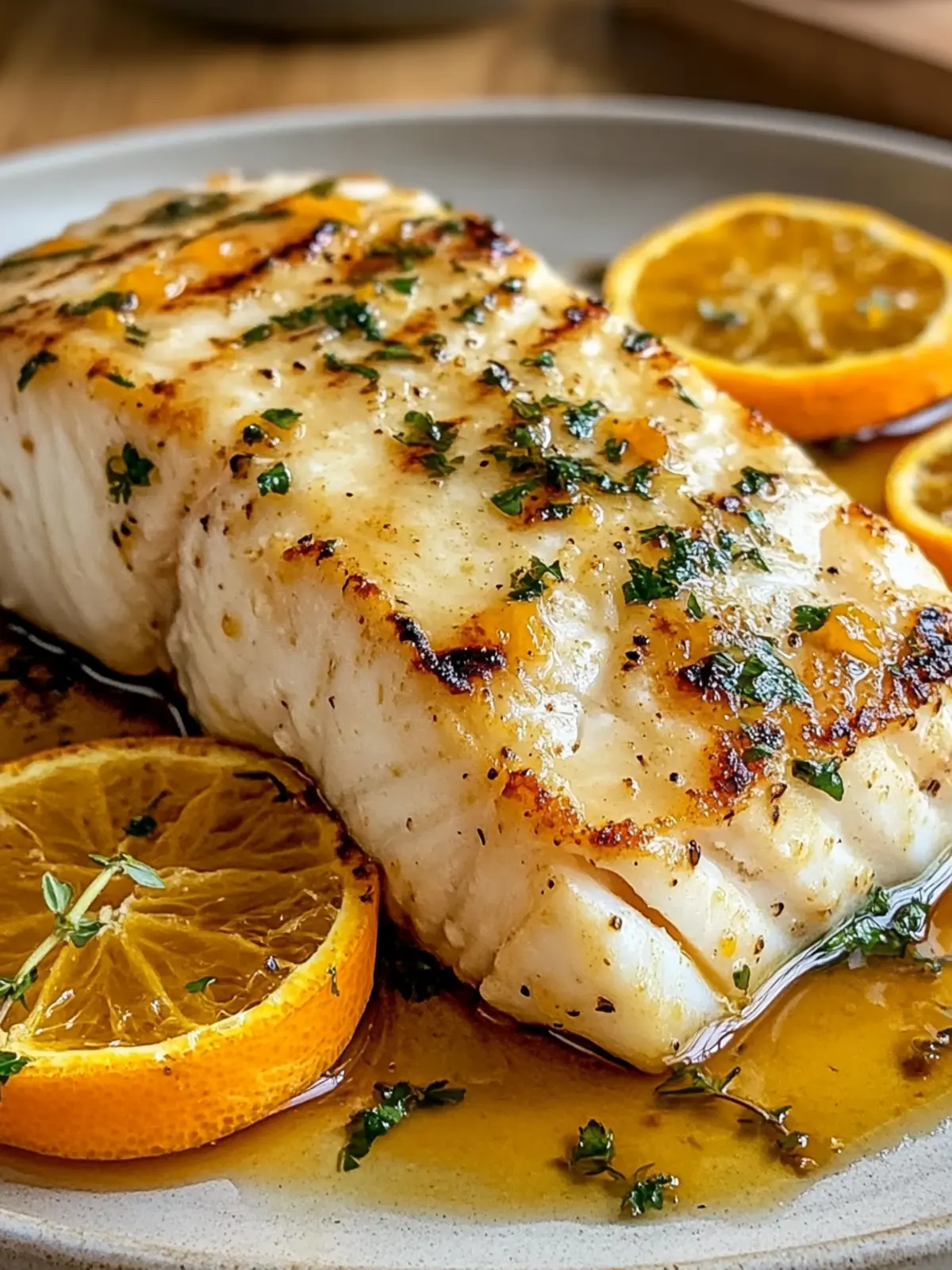
- Fresh dill or parsley, chopped: A sprinkle of green adds freshness and color.
- Lemon wedges: For an extra squeeze at the table.
- Grilled asparagus or a simple green salad: To make it a complete meal.
Ingredient Tip: If you can’t find halibut, this marinade works beautifully with other firm white fish like cod, sea bass, or even thick swordfish steaks. Just adjust the cooking time based on the thickness of your fillet.
Equipment Needed
You don’t need a professional kitchen setup to nail this recipe. Here’s what you’ll need:
- Gas or charcoal grill: A clean, hot grill is the key to success. I use a Weber gas grill for convenience, but charcoal adds a lovely smoky flavor that pairs beautifully with the orange.
- Fish spatula: This is my favorite tool. It’s thin, slotted, and angled, making it perfect for flipping delicate fish without it falling apart. A regular metal spatula works, but you’ll have to be more careful.
- Small bowl: For whisking together the marinade.
- Whisk or fork: To emulsify the marinade.
- Zester or microplane: For getting that fine, fluffy orange zest without the bitter pith.
- Tongs: For handling the fillets on the grill.
- Basting brush (optional): Great for applying the reserved marinade while the fish cooks.
- Instant-read thermometer (optional but recommended): Halibut is perfectly cooked at 130-135°F. A thermometer takes the guesswork out of it.
Budget-Friendly Tip: If you don’t have a fish spatula, you can use a thin, flexible metal spatula. Just be gentle when flipping. Also, a clean, well-oiled grill grate is more important than any fancy tool.
Preparation Method
This comes together in a flash, so have everything ready before you light the grill. Trust me, you don’t want to be zesting an orange while the grill is screaming hot.
- Make the Marinade (5 minutes): In a small bowl, combine the fresh orange juice, orange zest, Dijon mustard, olive oil, minced garlic, salt, and pepper. Whisk until the mustard is fully incorporated and the mixture looks smooth and slightly thickened. If you’re using the honey, add it now and whisk again. Taste it—it should be bright, tangy, and a little punchy. Set aside about 2 tablespoons of the marinade for basting. You’ll use the rest for the fish.
- Marinate the Halibut (10-15 minutes): Place the halibut fillets in a shallow dish or a zip-top bag. Pour the main portion of the marinade over the fish, turning to coat each fillet. Cover and refrigerate for 10-15 minutes. Don’t go longer than 20 minutes. The acid in the orange juice will start to “cook” the fish, making it mushy and opaque on the outside before it even hits the grill. I learned this the hard way—I left it for 30 minutes once and the texture was off.
- Preheat the Grill (10 minutes): While the fish marinates, preheat your grill to medium-high heat (about 400-450°F). You want it nice and hot so you get those beautiful grill marks and a quick sear. Clean the grates thoroughly with a grill brush, then lightly oil them by dipping a paper towel in vegetable oil and using your tongs to rub it over the grates. This is the single most important step to prevent sticking.
- Grill the Halibut (6-8 minutes total): Remove the halibut from the marinade, letting any excess drip off. Place the fillets diagonally on the hot grill grates. This gives you those classic crosshatch marks. Close the lid and cook for 3-4 minutes without moving the fish. Don’t peek! You want a good sear. The fish is ready to flip when it releases easily from the grates. If it sticks, it’s not ready yet. Use your fish spatula to gently flip each fillet. The cooked side should be golden brown with distinct grill marks.
- Baste and Finish (3-4 minutes): Once flipped, brush the reserved marinade over the top of the fillets. Close the lid and cook for another 3-4 minutes, or until the fish is opaque and flakes easily with a fork. The internal temperature should read 130-135°F on an instant-read thermometer. The center should be just slightly translucent—it will continue to cook from residual heat after you take it off the grill.
- Rest and Serve (2 minutes): Transfer the grilled halibut to a clean plate. Let it rest for 2 minutes. This allows the juices to redistribute, ensuring every bite is moist and tender. Sprinkle with fresh dill or parsley and serve immediately with lemon wedges.
Sensory Cue: When you flip the fish, you should see a beautiful, caramelized, golden-brown crust. The smell will be intoxicating—smoky, sweet, and tangy all at once. The fish should feel firm but have a slight give when you press it gently with your finger.
Cooking Tips & Techniques
I’ve burned, stuck, and dried out more fish than I care to admit. Here’s what I’ve learned so you don’t have to make the same mistakes.
- The Hot Grill is Your Friend: A cold grill is the number one reason fish sticks. Make sure your grill is screaming hot before you put the fish on. The high heat sears the outside instantly, creating a barrier that prevents sticking.
- Oil the Fish, Not Just the Grill: I always give the fillets a light brush of oil before they go on the grill, even though the marinade has oil. It’s an extra layer of insurance against sticking.
- Don’t Overcrowd: Leave at least an inch of space between the fillets. If they’re too close, they’ll steam instead of sear, and you’ll lose that beautiful crust.
- Resist the Urge to Press: Never press down on the fish with your spatula. You’ll squeeze out all the precious juices and end up with dry, sad halibut. Let it cook in peace.
- Use a Timer: Fish cooks fast. I set a timer for 4 minutes on the first side and 3 on the second. It’s easy to get distracted by a cold drink or a conversation, and then your perfect dinner is ruined.
- My Biggest Failure: I once tried to grill halibut straight from the fridge. The outside burned before the inside was even warm. Always let the fish sit at room temperature for about 10 minutes after marinating. It cooks more evenly.
Variations & Adaptations
This Zesty Orange Dijon Grilled Halibut is a fantastic base recipe. Here are a few ways to make it your own:
- Herb-Infused Version: Add 1 tablespoon of fresh chopped thyme or rosemary to the marinade. The earthy herbs play beautifully with the bright citrus and sharp mustard. I did this on a whim with some thyme from my garden, and it was incredible.
- Spicy Kick: Add ½ teaspoon of red pepper flakes or a small minced jalapeño to the marinade. The heat cuts through the richness of the fish and adds a wonderful layer of complexity.
- Dietary Swap (Dairy-Free & Gluten-Free): This recipe is naturally dairy-free and gluten-free! Just double-check your Dijon mustard to ensure it doesn’t have any gluten-containing additives (most don’t).
- Different Cooking Methods: Don’t have a grill? No problem. You can cook this in a cast-iron skillet over medium-high heat. Follow the same timing and technique. You can also bake it at 400°F for 10-12 minutes on a lined baking sheet. The crust won’t be as smoky, but the flavor will still be fantastic.
- Sweet and Smoky Twist: Swap the honey for 1 tablespoon of maple syrup. The maple syrup adds a deeper, earthier sweetness that pairs perfectly with the smoky char from the grill.
Serving & Storage Suggestions
This halibut is a star on its own, but the right sides can turn it into a full-blown feast.
- Serving Temperature: Serve the halibut hot off the grill. It’s best enjoyed immediately while the crust is still crispy and the inside is flaky and moist.
- Presentation: Place the fillet on a warm plate. Drizzle any juices from the resting plate over the top. Garnish with a sprinkle of fresh dill or parsley and a wedge of lemon. It looks beautiful and tastes even better.
- What to Serve With It: I love serving this with a fresh summer bliss tomato garlic salad for a light, vibrant meal. The acidity of the tomatoes mirrors the citrus in the fish. A side of crispy bacon potato salad is also a fantastic, hearty pairing for a bigger dinner. For a low-carb option, grilled asparagus or a simple green salad works perfectly.
- Storage: Store any leftover grilled halibut in an airtight container in the refrigerator for up to 2 days. The texture will soften, but the flavor remains delicious.
- Reheating: The best way to reheat is gently. Place the fillet in a skillet over low heat with a splash of water or broth, cover, and warm for 2-3 minutes. You can also flake the cold leftover fish over a green salad for lunch the next day. It’s fantastic in a quick curry quinoa bowl.
- Flavor Development: Unlike some dishes, this halibut is best fresh. The bright citrus flavor fades in the fridge, and the texture loses its delicate flakiness. I really recommend making just enough for one meal.
Nutritional Information & Benefits
This meal is as good for you as it tastes. Here’s a breakdown per serving (1 fillet without sides):
- Calories: ~280
- Protein: 36g
- Fat: 14g
- Carbohydrates: 6g
- Fiber: 0g
- Sugar: 4g
Health Benefits: Halibut is a fantastic source of lean protein and omega-3 fatty acids, which are great for heart and brain health. The orange provides a hefty dose of Vitamin C, a powerful antioxidant that supports your immune system. The olive oil adds healthy monounsaturated fats. This recipe is naturally low in carbohydrates and fits perfectly into a balanced, whole-foods diet. It’s a light, nourishing meal that won’t weigh you down on a hot summer evening.
Dietary Considerations: This recipe is naturally gluten-free, dairy-free, and low-carb. The only potential allergen is the fish itself. Always check your Dijon mustard label for any hidden additives if you have specific sensitivities.
Conclusion
This Zesty Orange Dijon Grilled Halibut is more than just a recipe. It’s a solution for those evenings when you want to feel like you’re on vacation, but you’re just in your own backyard. It’s quick enough for a busy Tuesday, yet elegant enough to serve to guests who you want to impress. The combination of bright citrus and tangy mustard is a flavor bomb that makes you wonder why you haven’t been cooking fish this way your whole life. I love that this recipe is forgiving, adaptable, and delivers every single time. It’s the kind of meal that makes you close your eyes after the first bite and just… sigh. I really hope you give it a try this summer. Whether you stick to the classic version or add your own twist, I’d love to hear how it turns out. Drop a comment below and tell me about your perfect summer night dinner. Happy grilling!
Frequently Asked Questions
Can I use frozen halibut for this recipe?
Yes, you can. Just make sure to thaw it completely in the refrigerator overnight. Pat it very dry with paper towels before marinating to remove any excess moisture. Frozen fish tends to release more water, which can prevent a good sear.
How do I know when the halibut is fully cooked?
The easiest way is to use an instant-read thermometer. Halibut is perfectly cooked at 130-135°F. Without a thermometer, look for the fish to become opaque throughout and flake easily when you gently press it with a fork. The center should be just slightly translucent, as it will continue to cook off the heat.
Can I make the marinade ahead of time?
Absolutely. You can whisk the marinade together up to 24 hours in advance and store it in an airtight container in the refrigerator. The flavors will actually meld together nicely. Just give it a good stir before using it.
What if I don’t have a grill? Can I use a grill pan?
Yes, a cast-iron grill pan works great. Heat it over medium-high heat until it’s smoking hot. Lightly oil the pan and the fish. Cook the halibut for the same amount of time—3-4 minutes per side. You won’t get the smoky flavor from a charcoal grill, but you’ll still get beautiful grill marks and a lovely char.
Is this recipe spicy? I’m sensitive to heat.
No, this recipe is not spicy at all. The Dijon mustard adds a gentle, tangy warmth, not heat. It’s more of a sharp, savory flavor than a spicy kick. If you’re sensitive, just skip the optional red pepper flakes in the variations section.
Pin This Recipe!
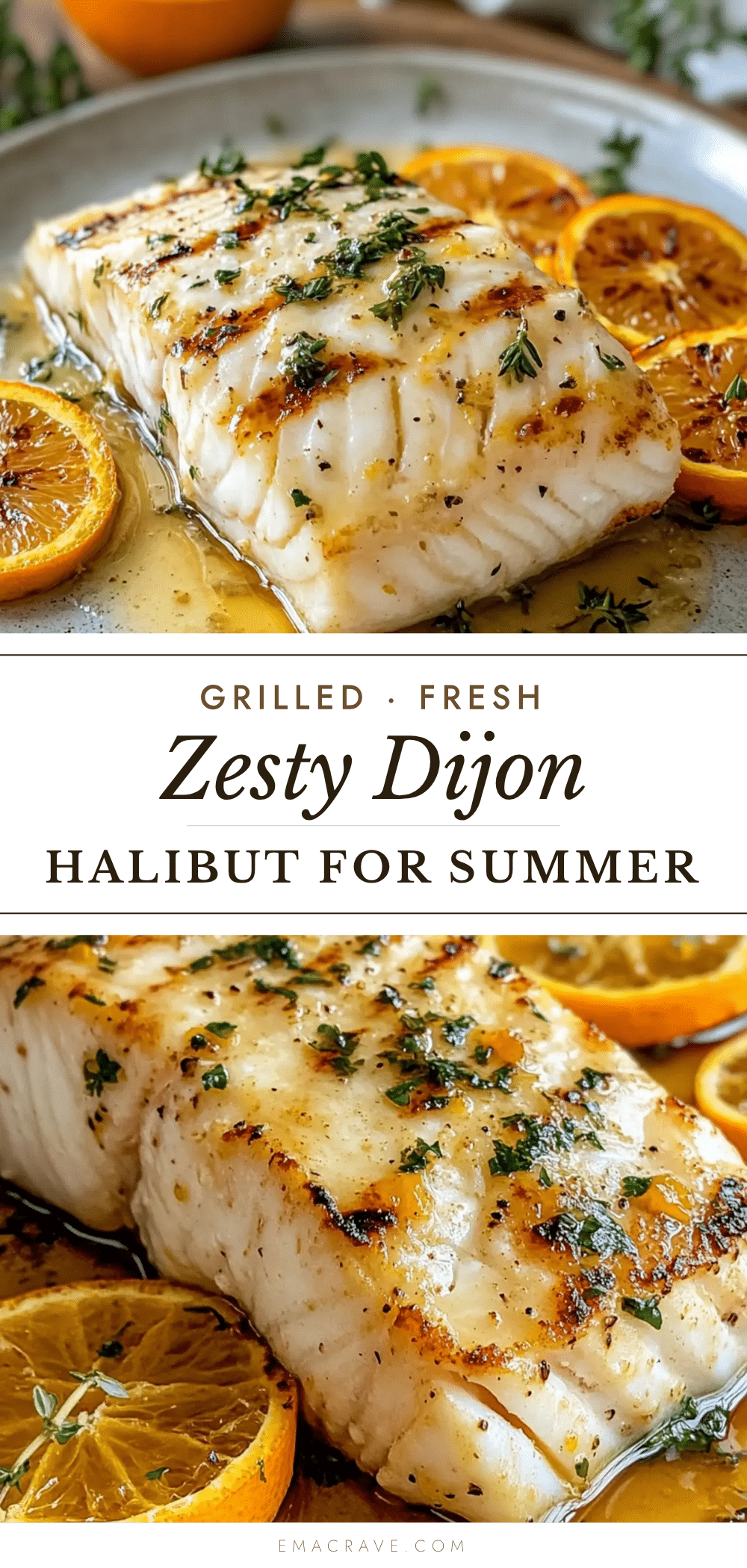
Zesty Orange Dijon Grilled Halibut: Easy Summer Dinner
A quick and easy grilled halibut recipe with a bright, tangy orange Dijon glaze. Perfect for summer nights, this dish is flaky, flavorful, and ready in under 20 minutes.
- Prep Time: 15 minutes
- Cook Time: 8 minutes
- Total Time: 23 minutes
- Yield: 2 servings 1x
- Category: Main Course
- Cuisine: American
Ingredients
- 2 (6-ounce) halibut fillets (about 1 inch thick)
- 3 tablespoons fresh orange juice (from about 1 large orange)
- 1 tablespoon orange zest (from the same orange)
- 2 tablespoons Dijon mustard
- 2 tablespoons extra-virgin olive oil
- 1 clove garlic, minced
- ½ teaspoon sea salt
- ¼ teaspoon freshly ground black pepper
- 1 tablespoon honey (optional)
- Fresh dill or parsley, chopped (for serving)
- Lemon wedges (for serving)
Instructions
- Make the Marinade (5 minutes): In a small bowl, combine the fresh orange juice, orange zest, Dijon mustard, olive oil, minced garlic, salt, and pepper. Whisk until smooth and slightly thickened. If using honey, add it now and whisk again. Set aside about 2 tablespoons of the marinade for basting.
- Marinate the Halibut (10-15 minutes): Place the halibut fillets in a shallow dish or zip-top bag. Pour the main portion of the marinade over the fish, turning to coat each fillet. Cover and refrigerate for 10-15 minutes. Do not marinate longer than 20 minutes.
- Preheat the Grill (10 minutes): Preheat your grill to medium-high heat (about 400-450°F). Clean the grates thoroughly with a grill brush, then lightly oil them by dipping a paper towel in vegetable oil and using tongs to rub it over the grates.
- Grill the Halibut (6-8 minutes total): Remove the halibut from the marinade, letting excess drip off. Place the fillets diagonally on the hot grill grates. Close the lid and cook for 3-4 minutes without moving the fish. Flip the fish using a fish spatula when it releases easily from the grates.
- Baste and Finish (3-4 minutes): Once flipped, brush the reserved marinade over the top of the fillets. Close the lid and cook for another 3-4 minutes, or until the fish is opaque and flakes easily with a fork. Internal temperature should read 130-135°F.
- Rest and Serve (2 minutes): Transfer the grilled halibut to a clean plate. Let it rest for 2 minutes. Sprinkle with fresh dill or parsley and serve immediately with lemon wedges.
Notes
Do not marinate longer than 20 minutes to avoid the acid cooking the fish. Let the fish sit at room temperature for 10 minutes after marinating for even cooking. Use a hot, clean, well-oiled grill to prevent sticking. Leftovers can be stored in an airtight container in the refrigerator for up to 2 days.
Nutrition
- Serving Size: 1 fillet
- Calories: 280
- Sugar: 4
- Sodium: 480
- Fat: 14
- Saturated Fat: 2
- Carbohydrates: 6
- Protein: 36
Keywords: grilled halibut, orange Dijon halibut, easy summer dinner, grilled fish, healthy fish recipe